What Is Travel Insurance? Coverage, Benefits and Costs Explained
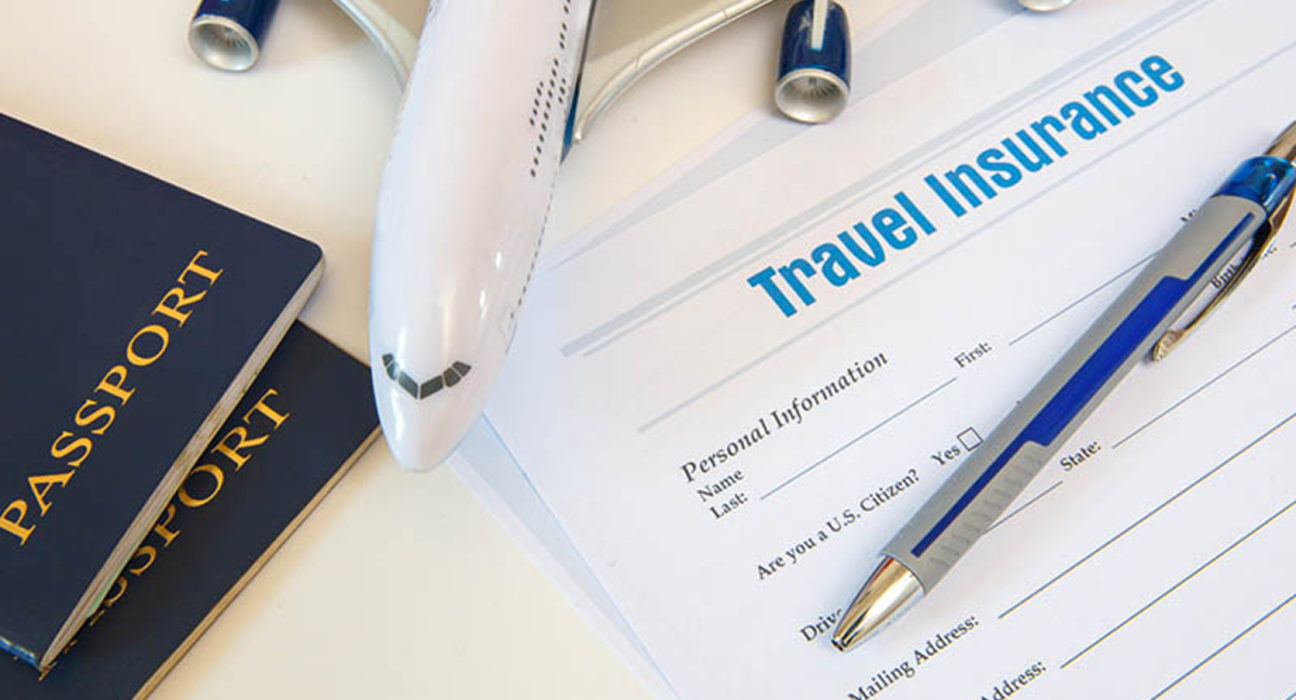
Planning a trip usually means thinking about flights, hotels, activities, passports, and what you want to see.
Travel insurance is often something people think about only after something goes wrong.
A canceled flight, lost baggage, unexpected medical treatment, or having to cut a trip short can create significant expenses. Travel insurance is designed to provide financial protection against certain unexpected events covered by a policy.
But travel insurance policies can vary considerably.
Understanding what they cover, what they exclude, and when they are useful can help you decide whether you need one for your next trip.
What Is Travel Insurance?
Travel insurance is a type of insurance designed to protect travelers against certain unexpected costs associated with a trip.
Depending on the policy, coverage may include areas such as:
- Trip cancellation
- Trip interruption
- Emergency medical expenses
- Lost or delayed baggage
- Travel delays
- Emergency evacuation
- Other specified travel-related risks
The exact coverage depends on the insurer and policy.
Travel insurance is therefore not a single standardized product.
Why Do People Buy Travel Insurance?
Travel involves uncertainty.
You may carefully plan a trip months in advance, but circumstances can change.
For example:
- You become seriously ill before departure.
- A covered event forces you to cancel.
- Your flight is significantly delayed.
- Your luggage does not arrive.
- You require emergency medical treatment abroad.
- You need to return home unexpectedly.
Depending on the policy, travel insurance may help cover eligible costs.
What Does Travel Insurance Usually Cover?
Coverage varies by policy, but common areas include several major categories.
Trip Cancellation
Trip cancellation coverage may reimburse certain prepaid, non-refundable travel expenses if you need to cancel for a reason specifically covered by the policy.
Covered reasons can vary significantly.
Never assume that every reason for cancellation qualifies.
Always read the policy conditions.
Trip Interruption
Trip interruption coverage may help when a covered event causes you to end your trip earlier than planned.
Depending on the policy, it could potentially cover certain unused prepaid expenses or additional transportation costs.
Again, eligibility depends on the policy terms.
Emergency Medical Expenses
Medical treatment abroad can be expensive, particularly in countries where visitors are not covered by public healthcare systems.
Some travel insurance policies provide coverage for eligible emergency medical treatment.
Check carefully for:
- Coverage limits
- Deductibles
- Exclusions
- Eligible treatments
- Hospital requirements
- Pre-existing condition rules
Emergency Evacuation
Some policies provide coverage for emergency transportation when medically necessary.
This can be particularly important for remote destinations where appropriate medical facilities may be far away.
Emergency evacuation coverage can have specific conditions and limits, so check the policy carefully.
Lost or Delayed Baggage
Some policies provide compensation for certain baggage problems.
Depending on the policy, this may include:
- Lost baggage
- Stolen baggage
- Damaged baggage
- Delayed baggage
There may also be per-item limits and exclusions for certain valuable items.
What About Flight Delays?
Travel insurance may provide benefits for certain covered travel delays.
For example, a policy might provide reimbursement for eligible expenses such as meals or accommodation after a qualifying delay.
However, the delay usually needs to meet the policy’s specific requirements.
A short delay may not qualify.
What About Missed Connections?
Some policies may provide coverage when a qualifying delay causes you to miss a connecting flight or other transportation.
The exact conditions can include:
- Minimum delay duration
- Reason for the delay
- Whether the original transportation was booked as a single itinerary
- Documentation requirements
Read the policy before relying on this coverage.
Does Travel Insurance Cover Every Medical Problem?
No.
This is one of the most important things to understand.
Travel insurance policies have exclusions and conditions.
Coverage may depend on factors such as:
- Type of medical condition
- Reason for treatment
- Whether the situation is an emergency
- Existing medical conditions
- Policy limits
- Treatment location
Never assume that every medical expense will automatically be covered.
What Are Pre-Existing Conditions?
A pre-existing condition generally refers to a medical condition or circumstance that existed before the policy or trip, depending on the insurer’s definition.
Some policies may exclude such conditions.
Others may provide limited coverage if specific requirements are met.
If this applies to you, disclose relevant information accurately and read the policy conditions carefully.
Does Travel Insurance Cover Lost Passports?
Some policies may provide assistance or reimbursement for certain expenses associated with lost or stolen travel documents.
However, the coverage varies.
If you lose your passport abroad, you may also need to contact your country’s embassy or consulate for assistance.
Keep copies of important travel documents separately from the originals.
Does Travel Insurance Cover Theft?
Some policies cover certain losses caused by theft.
However, there may be conditions regarding:
- Police reports
- Proof of ownership
- Security measures
- Item limits
- Valuables
- Negligence
For expensive electronics, jewelry, cameras, or other valuables, check the policy’s individual-item limits.
What Is a Deductible?
A deductible is an amount you may have to pay toward a covered claim before the insurer pays the remaining eligible amount.
For example, if a policy has a $100 deductible and you have a covered claim of $1,000, the policy might reimburse the eligible amount after applying the deductible.
The exact process depends on the policy.
A lower deductible can sometimes come with a higher premium.
What Is a Policy Limit?
A policy limit is the maximum amount an insurer may pay for a particular type of covered claim.
For example, a policy could have separate limits for:
- Medical expenses
- Baggage
- Trip cancellation
- Personal belongings
Always check both the overall coverage and individual limits.
A policy with a large headline coverage amount may still have relatively small limits for specific categories.
What Are Exclusions?
Exclusions are situations or expenses that the policy does not cover.
These are extremely important.
Common exclusions can relate to:
- Certain pre-existing conditions
- Alcohol- or drug-related incidents
- Unapproved activities
- Certain sports
- Travel against medical advice
- Known events
- Unattended belongings
- Certain destinations or circumstances
The exclusions vary by insurer.
Reading them can be just as important as reading the benefits.
Are Adventure Activities Covered?
Not necessarily.
Activities such as:
- Skiing
- Scuba diving
- Mountain climbing
- Paragliding
- Motorcycling
- Other adventure sports
may require specific coverage or may be excluded entirely.
If your trip involves activities with higher physical risk, confirm coverage before purchasing the policy.
Does Travel Insurance Cover Natural Disasters?
Some policies may provide coverage for certain losses resulting from specified natural disasters.
However, coverage depends on the policy wording and circumstances.
For example, there may be differences between:
- A trip canceled because a destination becomes inaccessible
- A trip canceled because you simply no longer want to travel
The reason for the cancellation matters.
Can You Buy Travel Insurance After Booking a Trip?
In many cases, yes.
Travel insurance can often be purchased after flights and accommodation have been booked.
However, timing can matter.
Some benefits may only become available if the policy is purchased within a specified period after the initial trip deposit or booking.
Certain situations that are already known before purchasing the policy may also not be covered.
Buying early can therefore be important if cancellation protection is one of your main reasons for purchasing insurance.
Single-Trip vs Annual Travel Insurance
Travel insurance can come in different forms.
Single-Trip Insurance
Designed for one specific trip.
It can be suitable for travelers who take only a small number of trips each year.
Annual or Multi-Trip Insurance
Designed for multiple trips during a defined period.
It may be convenient for frequent travelers.
However, annual policies can have limits on the length of individual trips and other conditions.
Compare the policy details rather than assuming annual coverage is automatically better value.
Domestic vs International Travel Insurance
The need for travel insurance can differ depending on whether you are traveling within your own country or internationally.
International travel can introduce additional risks involving:
- Medical costs
- Emergency transportation
- Foreign-language communication
- Travel documentation
- International transportation
Check what protection you already have through your existing health, credit card, or other insurance arrangements before buying additional coverage.
How Much Does Travel Insurance Cost?
There is no single standard price.
Premiums can depend on factors such as:
- Trip cost
- Destination
- Trip duration
- Traveler’s age
- Coverage limits
- Type of policy
- Optional coverage
- Medical considerations
A cheaper policy may provide less coverage or have higher deductibles and more exclusions.
The goal should be to compare coverage and price together, rather than choosing the lowest premium.
What Should You Compare Between Policies?
When comparing travel insurance, look at:
| Factor | What to Check |
|---|---|
| Medical coverage | Maximum benefit and exclusions |
| Trip cancellation | Covered reasons and limits |
| Trip interruption | Eligible expenses |
| Baggage | Per-item and total limits |
| Delays | Minimum delay requirements |
| Deductible | Amount you may pay yourself |
| Exclusions | Situations not covered |
| Emergency evacuation | Limits and conditions |
| Customer support | Availability while traveling |
| Claims | Documentation and process |
This makes it easier to compare policies on something more meaningful than price alone.
Check Your Existing Coverage First
You may already have some travel-related protection.
Depending on your circumstances, coverage may be available through:
- Health insurance
- Home or renters insurance
- Credit cards
- Airline or travel programs
- Employer benefits
However, existing coverage may be limited.
Check the actual terms rather than assuming you are fully protected.
Keep Important Documents Accessible
If you purchase travel insurance, keep your policy information accessible while traveling.
Save:
- Policy number
- Emergency assistance contact
- Claims information
- Important exclusions
- Coverage details
A digital copy can be useful, but keeping essential information available offline is also sensible.
What Should You Do If You Need to Make a Claim?
If something happens during your trip, follow the insurer’s claim requirements as soon as reasonably possible.
Depending on the situation, you may need:
- Receipts
- Medical records
- Police reports
- Airline documentation
- Proof of payment
- Booking confirmations
- Proof of ownership
Keep relevant documents and evidence.
For theft, loss, or major travel disruptions, contacting the appropriate authorities or transportation provider may also be necessary.
When Is Travel Insurance Especially Worth Considering?
Travel insurance may be particularly worth considering when:
- Your trip is expensive.
- You have significant non-refundable bookings.
- You are traveling internationally.
- You are traveling for a long period.
- You are visiting a destination where medical costs could be significant.
- You are participating in activities requiring special coverage.
- You have multiple connections or complex travel arrangements.
The value depends on your personal circumstances and the risks involved.
When Might You Decide Not to Buy It?
There are situations where a traveler may decide that additional insurance does not provide enough value.
For example, the trip may be:
- Very inexpensive
- Highly flexible
- Easily refundable
- Covered substantially by existing insurance
However, this decision should be based on understanding the risks rather than simply assuming nothing will go wrong.
Final Travel Insurance Checklist
Before purchasing a policy, ask:
- What exactly is covered?
- What is excluded?
- How much medical coverage is provided?
- Are emergency evacuation costs covered?
- What reasons qualify for cancellation?
- What are the baggage limits?
- What is the deductible?
- Are there individual-item limits?
- Are adventure activities covered?
- Are pre-existing conditions covered?
- What are the policy limits?
- How do I make a claim?
- Is 24-hour assistance available?
- Does my existing insurance already provide some coverage?
Final Thoughts
Travel insurance is not designed to eliminate every risk associated with travel.
Its purpose is to provide financial protection against specific unexpected events covered by the policy.
The most important thing is not simply buying a policy. It is understanding what you are actually buying.
Before your next trip, compare coverage limits, exclusions, deductibles, cancellation rules, medical protection, and the total cost.
The right travel insurance policy should match the risks of your particular trip—not simply have the lowest price or the longest list of benefits.