How to Choose Furniture for Your Home: A Practical Guide
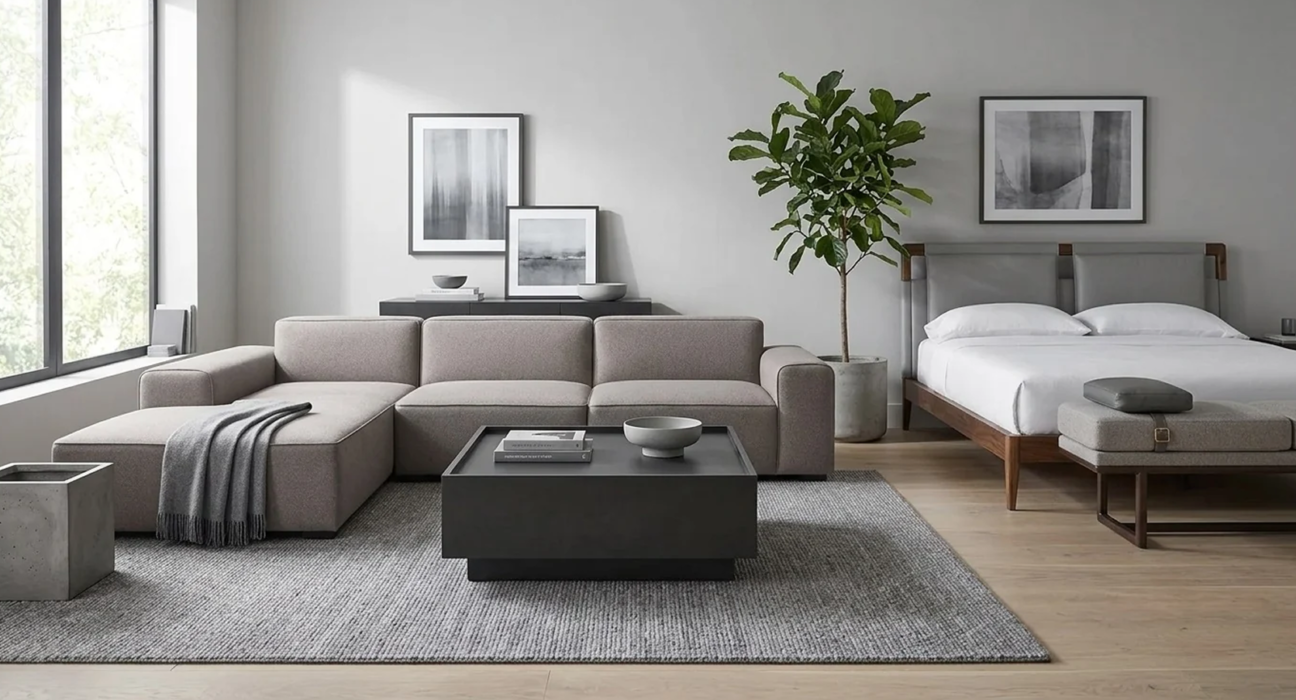
Furniture is one of the biggest factors in how a home looks, feels, and functions.
A sofa can become the center of a living room. A dining table can determine how comfortably a family uses a space. A bed affects both the appearance of a bedroom and the quality of everyday rest.
But buying furniture is not simply about finding something that looks good.
The right furniture needs to fit the space, match your lifestyle, provide appropriate comfort, and offer good value over time.
Here is a practical guide to choosing furniture for your home.
1. Measure Your Space First
Before buying anything, measure the room.
Record:
- Room length
- Room width
- Ceiling height
- Door dimensions
- Window positions
- Stairways
- Hallways
- Available floor space
Also measure the path the furniture will take when it is delivered.
A sofa that fits perfectly inside a living room may still be impossible to get through a narrow doorway.
2. Think About How You Use the Room
Furniture should support your lifestyle.
Ask yourself:
- How many people normally use this room?
- What activities happen here?
- Do I entertain guests frequently?
- Do I work from this space?
- Do children use the room?
- Do I need flexible furniture?
For example, a household that frequently hosts guests may benefit from additional seating, while someone living alone may prefer a more open layout.
3. Decide What Furniture You Actually Need
Avoid filling a room simply because there is empty space.
Start with essential pieces.
For a living room, this might include:
- Sofa
- Coffee table
- TV unit
- Storage
For a bedroom:
- Bed
- Mattress
- Wardrobe
- Bedside tables
Add secondary pieces only if they genuinely improve the room.
4. Consider the Furniture’s Scale
Furniture can technically fit inside a room and still look completely wrong.
Large furniture in a small room can make the space feel cramped.
Very small furniture in a large room can make the space feel empty.
Think about the relationship between:
Furniture size + room size + surrounding space
Leave enough room for people to walk comfortably and use doors, drawers, and windows.
5. Create a Floor Plan
If you are buying several pieces, create a basic floor plan before purchasing.
You can use:
- Paper
- A simple drawing app
- Design software
- Online room planners
Mark the approximate dimensions of each furniture piece.
This makes it easier to identify problems before spending money.
6. Prioritize Comfort
Furniture is something you interact with every day.
A sofa may look beautiful but become frustrating if it is uncomfortable.
Consider:
- Seat depth
- Seat height
- Cushion firmness
- Back support
- Armrest height
- Material
- Overall ergonomics
For important furniture, try it in person when possible.
7. Choose Materials Carefully
Furniture materials affect appearance, durability, maintenance, and price.
Common materials include:
- Solid wood
- Engineered wood
- Metal
- Glass
- Leather
- Fabric
- Plastic
- Stone
Each has advantages and disadvantages.
For example, a delicate surface may look attractive but require more maintenance than a durable material.
Choose based on how the furniture will actually be used.
8. Consider Durability
Think about how long you expect the furniture to last.
Furniture used every day needs to withstand considerably more wear than decorative pieces.
Look at:
- Construction quality
- Frame materials
- Joints
- Hardware
- Upholstery
- Surface finish
- Manufacturer information
A slightly higher initial price may be worthwhile if the furniture is significantly more durable.
9. Match Furniture to Your Lifestyle
Your lifestyle should influence your choices.
If You Have Children
Consider:
- Durable materials
- Easy-to-clean surfaces
- Rounded edges where appropriate
- Stain resistance
If You Have Pets
Consider:
- Scratch-resistant materials
- Easy-clean upholstery
- Durable fabrics
- Furniture that does not easily trap pet hair
If You Work From Home
Prioritize:
- Ergonomic seating
- Proper desk height
- Storage
- Lighting
- Cable management
Furniture should work with your everyday habits rather than against them.
10. Choose a Consistent Style
Your home does not need to follow one strict design style.
However, furniture should generally feel visually connected.
Common styles include:
- Modern
- Minimalist
- Traditional
- Industrial
- Scandinavian
- Contemporary
- Mid-century
You can mix styles, but repeat certain elements such as materials, colors, shapes, or finishes to create visual consistency.
11. Don’t Match Everything Perfectly
A room can actually feel less interesting if every piece comes from the same collection.
Instead of buying identical furniture, look for relationships between pieces.
For example:
- Similar wood tones
- Complementary fabrics
- Repeated metal finishes
- Related shapes
- Consistent proportions
The goal is coordination rather than perfect matching.
12. Think About Color
Furniture can have a significant effect on the visual character of a room.
Before choosing a color, consider:
- Wall color
- Flooring
- Curtains
- Lighting
- Existing furniture
- Natural daylight
Neutral furniture can provide flexibility.
Stronger colors can become focal points.
Choose based on how you want the room to feel and how easily you may want to change the decor later.
13. Think About Maintenance
Different furniture materials require different levels of care.
Ask:
- Is the surface easy to clean?
- Can the upholstery be removed?
- Is the material sensitive to moisture?
- Does it scratch easily?
- Are replacement parts available?
A beautiful piece that requires constant maintenance may not be practical for a busy household.
14. Check Storage Requirements
Storage furniture needs special consideration.
Before buying wardrobes, cabinets, shelves, or drawers, think about what you actually need to store.
Check:
- Internal dimensions
- Shelf height
- Drawer depth
- Door opening
- Weight capacity
- Accessibility
Storage should make everyday life easier, not simply provide additional boxes to fill.
15. Consider Multi-Functional Furniture
In smaller homes, furniture that serves multiple purposes can be particularly useful.
Examples include:
- Sofa beds
- Storage beds
- Extendable dining tables
- Ottomans with storage
- Folding desks
- Nesting tables
Multi-functional furniture can help maximize limited space.
16. Check Delivery Dimensions
One commonly overlooked issue is delivery.
Before ordering, check:
- Package dimensions
- Package weight
- Door width
- Elevator dimensions
- Staircase clearance
- Assembly requirements
A large piece of furniture may arrive in several packages, so understand how it will be delivered and assembled.
17. Understand Assembly Requirements
Some furniture arrives fully assembled.
Other products may require significant assembly.
Check:
- Assembly time
- Number of people required
- Tools needed
- Installation service
- Wall mounting requirements
If you are not comfortable assembling furniture yourself, consider whether professional installation is available.
18. Compare the Total Price
The furniture’s listed price is not necessarily the final cost.
Consider:
- Delivery
- Assembly
- Installation
- Taxes
- Accessories
- Protective treatments
- Extended warranties
Compare the complete cost between different sellers and products.
19. Read Reviews Carefully
Customer reviews can reveal issues that product descriptions do not mention.
Look for comments about:
- Comfort
- Build quality
- Color accuracy
- Assembly
- Durability
- Delivery
- Packaging
- Customer service
Pay particular attention to reviews that include photographs.
They can provide a more realistic impression of how the furniture looks in an actual home.
20. Don’t Buy Furniture Too Quickly
Furniture is usually not something you need to purchase within minutes.
If you find something you like, save it and compare it with alternatives.
Ask:
- Does it fit my room?
- Is the size appropriate?
- Does it match my existing furniture?
- Is the material suitable?
- Is the price reasonable?
- Will I still like it several years from now?
Taking a little extra time can prevent expensive mistakes.
A Simple Furniture Comparison Table
When comparing several options, create a table.
| Factor | Furniture A | Furniture B | Furniture C |
|---|---|---|---|
| Price | $$ | $$$ | $ |
| Size | Medium | Large | Medium |
| Material | Fabric | Leather | Fabric |
| Comfort | Excellent | Very Good | Good |
| Durability | Very Good | Excellent | Good |
| Maintenance | Easy | Medium | Easy |
| Best For | Apartments | Large homes | Budget buyers |
This makes the decision easier when several products appear similar.
Furniture for Different Room Sizes
Small Rooms
Choose:
- Compact furniture
- Slim profiles
- Multi-functional pieces
- Furniture with built-in storage
Avoid filling the room with oversized pieces.
Medium Rooms
You have more flexibility.
Focus on creating clear zones and maintaining comfortable walking space.
Large Rooms
Large spaces can handle bigger furniture.
However, avoid placing all furniture against the walls simply because there is space.
Create functional areas for:
- Conversation
- Entertainment
- Reading
- Dining
- Work
Should You Buy Everything at Once?
Not necessarily.
Buying furniture gradually can allow you to understand how the room actually works.
Start with the most important pieces.
Then add other furniture once you understand:
- Available space
- Storage requirements
- Traffic flow
- Color balance
- Daily usage
This can produce a more natural and practical home.
When Is Expensive Furniture Worth It?
Higher-priced furniture can be worth considering when it provides meaningful improvements in:
- Construction
- Materials
- Comfort
- Durability
- Warranty
- Repairability
But price alone does not guarantee quality.
Look at what you are actually getting for the additional cost.
Final Furniture Buying Checklist
Before purchasing a major furniture item, check:
- Room measurements
- Furniture dimensions
- Door and delivery access
- Comfort
- Materials
- Construction quality
- Durability
- Maintenance
- Color
- Style
- Storage needs
- Delivery cost
- Assembly requirements
- Warranty
- Return policy
- Customer reviews
- Overall value
Final Thoughts
Choosing furniture is not simply about finding attractive pieces.
The best furniture combines comfort, proportion, functionality, durability, and style.
Start by understanding your space and how you use it. Measure everything carefully, prioritize the pieces you actually need, compare materials and construction, and consider the long-term maintenance involved.
Most importantly, don’t rush the decision.
Good furniture should not only make your home look better—it should make everyday life easier and more comfortable.