Best Wireless Headphones in 2026: What to Look For
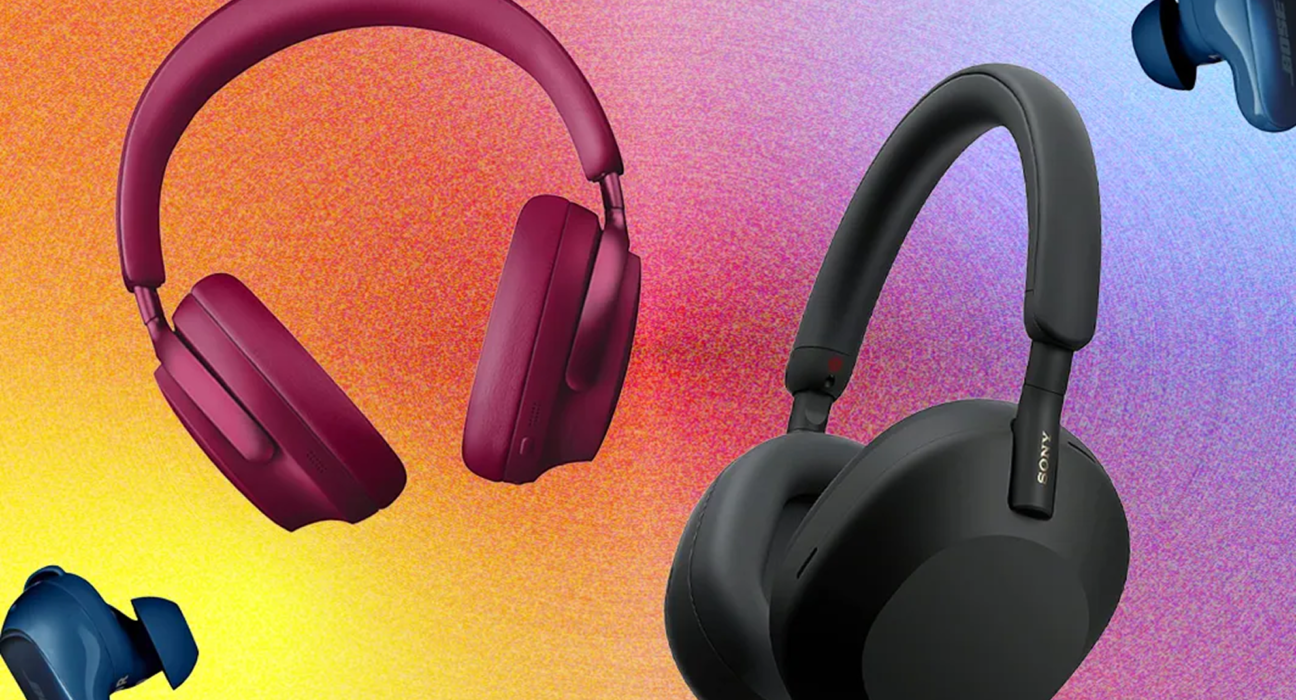
Wireless headphones have become an everyday accessory for many people.
They are used for listening to music, watching movies, attending meetings, playing games, exercising and making calls. With so many models available, choosing the right pair can be difficult.
A good pair of wireless headphones is not simply about sound quality. Comfort, battery life, connectivity, microphone performance and noise cancellation can all make a significant difference to the overall experience.
If you are planning to buy wireless headphones in 2026, here are the most important things to consider.
What Are Wireless Headphones?
Wireless headphones use technologies such as Bluetooth to connect to smartphones, computers, tablets, televisions and other compatible devices without requiring a traditional audio cable.
Most modern wireless headphones have a rechargeable battery and include controls for functions such as volume adjustment, music playback and calls.
Some models also support wired connections, allowing users to connect them using a cable when necessary.
1. Sound Quality
Sound quality should be one of the first things you consider when choosing headphones.
Different headphones can produce noticeably different sound profiles.
Some emphasize bass, while others focus on balanced sound or clearer vocals and high frequencies.
If you mainly listen to music, look for headphones that suit the type of music you enjoy.
Someone who listens mostly to electronic or hip-hop music may prefer stronger bass, while someone who listens to classical music or podcasts may prioritize clarity and detail.
There is no single sound profile that is perfect for everyone.
2. Active Noise Cancellation
Active Noise Cancellation, commonly called ANC, has become an important feature in many wireless headphones.
ANC uses microphones and electronic processing to reduce certain external sounds.
This can be particularly useful when:
- Traveling by airplane
- Working in a busy office
- Commuting
- Studying
- Working from cafés
- Listening in noisy environments
However, noise cancellation performance varies between headphones.
Some models are particularly effective at reducing continuous low-frequency sounds, while others may perform better with different types of background noise.
3. Transparency or Ambient Mode
Many headphones with noise cancellation also include a transparency or ambient mode.
Instead of blocking outside sound, this feature uses microphones to allow environmental sounds to reach your ears.
It can be useful when:
- Walking outdoors
- Listening for announcements
- Talking to someone
- Working around other people
- Crossing roads
Being able to switch between noise cancellation and transparency mode can make headphones much more versatile.
4. Battery Life
Battery life is another important consideration.
If you use headphones throughout the day, a longer battery can reduce the need to recharge them frequently.
Manufacturers often provide separate battery estimates for different modes, such as normal listening and active noise cancellation.
When comparing battery life, look at the expected listening time rather than focusing only on the charging case or maximum advertised figure.
Fast charging can also be useful.
Some headphones can provide several hours of playback after a relatively short charging period.
5. Comfort
A pair of headphones can have excellent sound quality but still be frustrating to use if they are uncomfortable.
Consider:
- Ear cushion material
- Headband padding
- Weight
- Clamping pressure
- Ear cup size
- Adjustability
Comfort becomes particularly important if you plan to wear headphones for several hours at a time.
If possible, try headphones before buying them.
6. Wireless Connectivity
Most modern wireless headphones use Bluetooth.
However, Bluetooth capabilities can vary between models.
Some headphones support newer Bluetooth standards and additional features that can improve connectivity, power efficiency or compatibility.
If you use headphones with several devices, features such as multipoint connectivity can also be valuable.
Multipoint allows compatible headphones to maintain connections with multiple devices and switch between them.
For example, you could connect the headphones to both your laptop and smartphone.
7. Microphone Quality
If you regularly take calls or attend online meetings, microphone performance matters.
A good microphone should make your voice understandable even when there is background noise.
Headphone microphone quality can vary considerably.
Before buying, check independent reviews or microphone tests if calls are an important part of your use.
8. Build Quality
Build quality affects how well headphones can handle regular use.
Look at the materials used for:
- Headband
- Ear cups
- Hinges
- Buttons or touch controls
If you travel frequently, a folding design and protective carrying case can also be useful.
Some headphones are designed primarily for home and office use, while others are built with portability in mind.
9. Water and Sweat Resistance
If you plan to use headphones during exercise, check their water and sweat resistance rating.
Not every pair of wireless headphones is designed for workouts.
For sports and outdoor activities, consider headphones specifically designed for active use.
However, water resistance ratings do not necessarily mean that headphones are completely waterproof.
Always check the manufacturer’s specifications and intended usage.
10. Controls and Smart Features
Modern wireless headphones often include touch controls, physical buttons or voice commands.
Common controls include:
- Play and pause
- Volume adjustment
- Track selection
- Answering calls
- Activating noise cancellation
- Switching between listening modes
Some headphones also connect to companion smartphone applications.
These apps may allow users to adjust equalizer settings, customize controls or update firmware.
11. Compatibility
Before buying, check that the headphones work properly with your main devices.
Most Bluetooth headphones can work with common smartphones, tablets and computers, but some features may be limited depending on the operating system or device.
Certain manufacturers also offer additional features when their headphones are paired with devices from the same ecosystem.
If you use several platforms, compatibility should be one of the things you check before purchasing.
12. Over-Ear vs On-Ear Headphones
Wireless headphones generally come in several physical designs.
Over-Ear Headphones
Over-ear headphones completely surround the ears.
They are often preferred for:
- Long listening sessions
- Travel
- Noise isolation
- Immersive music
- Movies
They can be larger and heavier than other designs.
On-Ear Headphones
On-ear headphones sit directly on the ears rather than surrounding them.
They are often more compact and portable.
However, some people may find them less comfortable during long listening sessions.
Wireless Earbuds
Earbuds are significantly smaller and easier to carry.
They are particularly convenient for commuting, exercise and everyday use.
The best design depends on your priorities.
13. Price
Wireless headphones are available at a wide range of prices.
Expensive headphones can offer premium materials, stronger noise cancellation, advanced microphones and additional features.
However, paying more does not automatically mean that a particular model will be better for your needs.
Before buying, identify the features you actually need.
If you mainly listen to music at home, you may not need every premium feature.
If you travel frequently, investing in better noise cancellation and comfort could be more valuable.
14. How to Choose Headphones for Travel
Travelers should prioritize:
- Strong noise cancellation
- Long battery life
- Comfortable ear cups
- Foldable design
- Carrying case
- Fast charging
- Reliable Bluetooth connectivity
Noise cancellation can be especially useful during flights and train journeys.
A long battery can also reduce the need to charge the headphones during a trip.
15. How to Choose Headphones for Work
For office work and remote meetings, focus on:
- Microphone quality
- Comfort
- Multipoint connectivity
- Battery life
- Noise cancellation
- Easy controls
Multipoint connectivity can be particularly useful if you frequently move between a computer and smartphone.
16. How to Choose Headphones for Gaming
Gaming introduces additional requirements.
Gamers may want:
- Low-latency audio
- Clear microphone performance
- Comfortable design
- Long battery life
- Good positional audio
- Compatibility with their gaming platform
Traditional Bluetooth headphones may not always provide the lowest latency for competitive gaming.
Dedicated gaming headsets or supported wireless technologies may therefore be a better choice for serious players.
Should You Buy Expensive Wireless Headphones?
Not necessarily.
Premium headphones can provide better performance and additional features, but the value depends on how you use them.
Someone who travels frequently may benefit from premium noise cancellation.
Someone who mainly listens to podcasts at home may be perfectly satisfied with a less expensive model.
The best purchase is the one that provides the features you actually need at a price you are comfortable paying.
What Should You Check Before Buying?
Before placing an order, compare the following:
| Feature | Why It Matters |
|---|---|
| Sound Quality | Determines the listening experience |
| ANC | Reduces surrounding noise |
| Battery Life | Determines how often you need to charge |
| Comfort | Important for long listening sessions |
| Microphone | Important for calls and meetings |
| Bluetooth | Determines wireless connectivity |
| Multipoint | Useful with multiple devices |
| Build Quality | Affects durability |
| Water Resistance | Useful for workouts and outdoor use |
| Price | Determines overall value |
Final Thoughts
The best wireless headphones are not necessarily the most expensive ones.
The right choice depends on how you plan to use them.
For frequent travelers, noise cancellation and battery life may be the highest priorities. For office workers, microphone quality and multipoint connectivity may matter more. Music listeners may care most about sound quality and comfort, while gamers may prioritize latency and platform compatibility.
Before buying, compare the features that matter most to you rather than choosing based only on brand or price.
A little research before your purchase can help you find wireless headphones that are comfortable, reliable and suitable for your everyday listening needs.