
How to Choose a Mattress: A Complete Buying Guide
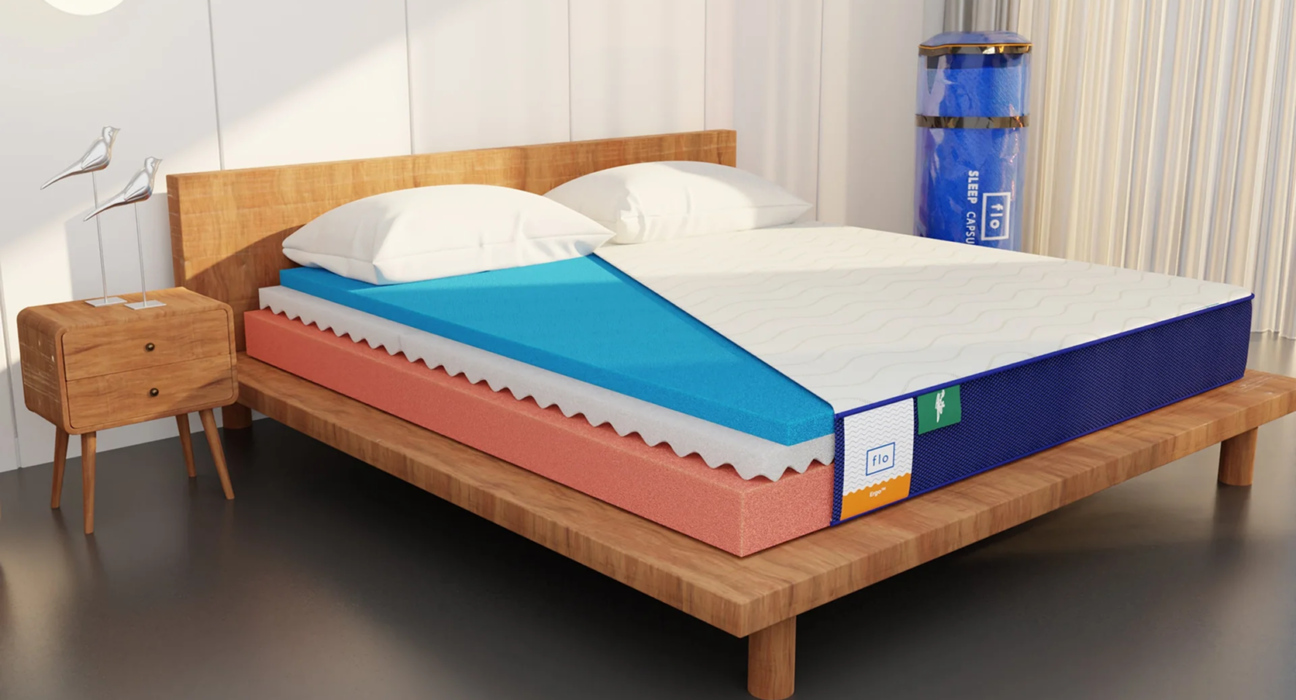
A mattress is something you use every night, often for years.
Yet choosing one can be surprisingly difficult. There are different materials, firmness levels, sizes, designs, and price points, and manufacturers often use different terminology to describe similar products.
A mattress that feels comfortable to one person may feel completely wrong to another.
The best approach is therefore not to simply choose the most expensive mattress or the one with the highest rating.
Instead, consider how you sleep, what type of support you prefer, the size you need, and how the mattress is constructed.
Here’s a practical guide to help you make a more informed decision.
Why Choosing the Right Mattress Matters
A mattress affects your sleeping environment every night.
The right choice can provide:
- Comfortable support
- Appropriate firmness
- Better pressure distribution
- Adequate sleeping space
- Good temperature management
- Suitable support for your sleeping position
A mattress is also a long-term purchase, so choosing based purely on appearance or price may not be the best approach.
Start With Your Sleeping Position
One of the simplest ways to narrow down your choices is to consider how you normally sleep.
Most people fall into one or more of these categories:
- Side sleeper
- Back sleeper
- Stomach sleeper
- Combination sleeper
Your sleeping position can influence the firmness and support that feel most comfortable.
Mattress Considerations for Side Sleepers
Side sleepers often place more pressure on areas such as the shoulders and hips.
A mattress that is excessively firm may create uncomfortable pressure points.
Many side sleepers therefore prefer a mattress that provides enough cushioning while still maintaining proper support.
Look for a balance between:
Pressure relief + support
Rather than simply choosing the softest mattress available.
Mattress Considerations for Back Sleepers
Back sleepers generally need enough support to keep the body comfortably aligned.
A mattress that is too soft may allow certain areas of the body to sink excessively.
A medium or medium-firm feel may work well for many back sleepers, but personal preference and body type also matter.
Mattress Considerations for Stomach Sleepers
Stomach sleepers may prefer firmer support to reduce excessive sinking around the midsection.
A mattress that is too soft can make the body sink more deeply than some sleepers find comfortable.
Again, there is no universal firmness level that works for everyone.
Combination Sleepers
If you change positions throughout the night, you may want a mattress that provides a balance of comfort and support.
A mattress that allows relatively easy movement can be useful for combination sleepers.
Understand Different Mattress Types
Mattresses come in several major designs.
Innerspring Mattresses
These mattresses use a system of springs or coils for support.
They can provide:
- Responsive support
- Good airflow
- A traditional mattress feel
- Different firmness options
The exact feel depends heavily on the coil system and comfort layers used above it.
Memory Foam Mattresses
Memory foam is designed to respond to pressure and can provide a more contouring feel.
Potential advantages include:
- Pressure relief
- Reduced motion transfer
- Body-contouring comfort
Some people, however, may find certain memory foam mattresses warmer or less responsive than other mattress types.
Latex Mattresses
Latex mattresses can offer a more responsive feel than traditional memory foam.
They are often associated with:
- Durability
- Bounce
- Pressure relief
- Temperature management
There are different types of latex, so the material and construction should be checked carefully.
Hybrid Mattresses
Hybrid mattresses combine different technologies, often using coils with foam or other comfort materials.
They can provide a combination of:
- Support
- Pressure relief
- Responsiveness
- Airflow
Hybrids are popular because they attempt to combine characteristics of different mattress designs.
How Firm Should a Mattress Be?
Firmness is one of the most important factors to consider.
A general scale might look like:
| Firmness | General Feel |
|---|---|
| Soft | More cushioning and sink |
| Medium-soft | Cushioned but supportive |
| Medium | Balanced feel |
| Medium-firm | Stronger support with moderate cushioning |
| Firm | Minimal sinking and stronger surface support |
These labels aren’t standardized across every manufacturer.
A “medium” mattress from one company may feel different from a “medium” mattress from another.
That’s why testing the mattress or understanding the company’s trial policy can be useful.
Don’t Confuse Firmness With Support
These terms are sometimes used interchangeably, but they aren’t exactly the same.
Firmness describes how the mattress feels when you lie on it.
Support refers to how effectively the mattress supports your body.
A mattress can feel relatively soft while still providing adequate underlying support.
Similarly, an extremely firm mattress isn’t automatically better supported.
Consider Your Body Type
The same mattress can feel different to different people.
A heavier sleeper may experience more compression than a lighter sleeper.
This can affect:
- Firmness perception
- Support
- Pressure distribution
- Ease of movement
If you’re sharing a mattress with a partner, differences in body weight and sleeping preferences can make the decision more complicated.
Think About Motion Transfer
If you share a bed, movement can matter.
A mattress with good motion isolation can reduce how much you feel when your partner moves during the night.
Memory foam is often known for strong motion isolation, while highly responsive spring systems can transmit more movement depending on their construction.
If you or your partner moves frequently during sleep, motion isolation may deserve extra attention.
Consider Temperature
Some people naturally sleep warmer than others.
Mattress materials and construction can affect airflow and heat retention.
Factors worth considering include:
- Mattress material
- Cover fabric
- Coil construction
- Foam density
- Room temperature
- Bedding
If you tend to sleep hot, look for a design that emphasizes airflow and temperature management rather than focusing only on softness.
Choose the Right Mattress Size
The right size depends on your room and sleeping needs.
Common mattress sizes include:
- Single
- Twin
- Double
- Full
- Queen
- King
- California King
Exact dimensions vary between countries and manufacturers.
Before purchasing, measure your available bedroom space and check the manufacturer’s exact mattress dimensions.
Don’t forget to consider:
- Bed frame size
- Doorway access
- Bedroom layout
- Walking space
- Other furniture
Consider Your Bed Partner
If two people share a mattress, don’t choose based solely on one person’s preferences.
Discuss:
- Firmness
- Temperature
- Mattress size
- Motion transfer
- Sleeping positions
- Budget
Some mattresses are also available with different firmness configurations or split designs, depending on the manufacturer.
Set a Realistic Budget
Mattresses are available across a wide range of prices.
A higher price doesn’t automatically guarantee better sleep.
When comparing mattresses, consider:
- Materials
- Construction
- Warranty
- Trial period
- Return policy
- Durability
- Size
- Your personal comfort
Instead of setting your budget entirely around a brand name, compare what you’re actually getting for the price.
Don’t Judge a Mattress by Price Alone
An expensive mattress isn’t automatically the right mattress for you.
Similarly, the cheapest option isn’t necessarily poor quality.
The important question is:
Does the mattress provide the combination of comfort, support, construction, and durability you need at a reasonable price?
Take Advantage of Sleep Trials
Many mattress companies offer trial periods that allow customers to test a mattress at home.
This can be useful because lying on a mattress for five minutes in a showroom isn’t the same as sleeping on it for several nights.
Before purchasing, check:
- Trial length
- Return conditions
- Return costs
- Required minimum trial period
- Refund process
- Pickup arrangements
Policies can vary significantly between companies.
Read the Warranty Carefully
A mattress warranty can provide useful information about the manufacturer’s coverage.
Check:
- Warranty duration
- What defects are covered
- Sagging requirements
- Damage exclusions
- Transportation requirements
- Conditions that could void the warranty
Don’t assume that every problem you experience will automatically qualify for a warranty replacement.
Check the Mattress Materials
Don’t just look at the brand name.
Look at what is actually inside the mattress.
Depending on the type, this may include:
- Foam layers
- Memory foam
- Latex
- Springs
- Fiber layers
- Fabric covers
- Support cores
Understanding the construction can help you compare two mattresses that appear similar on the surface.
Be Careful With Marketing Claims
Mattress advertisements can contain many attractive phrases.
You may see terms such as:
- Premium comfort
- Advanced support
- Luxury sleep
- Orthopedic design
- Cooling technology
- Hotel-quality comfort
These descriptions don’t always tell you enough about how the mattress will actually feel.
Look beyond the marketing language and examine the materials, construction, dimensions, warranty, and return policy.
Read Reviews the Right Way
Customer reviews can provide useful information, particularly when several people mention the same issue.
Look for comments about:
- Long-term comfort
- Firmness
- Heat
- Sagging
- Edge support
- Durability
- Delivery
- Customer service
Don’t rely entirely on the average star rating.
A mattress with thousands of reviews can still have weaknesses that matter specifically to you.
Don’t Forget the Bed Base
Your mattress isn’t the only part of the sleep setup.
The bed frame or foundation can also affect how the mattress performs.
Before purchasing, check whether the mattress manufacturer has specific requirements for:
- Slat spacing
- Foundation type
- Center support
- Weight capacity
- Adjustable bases
Using an unsuitable base may affect comfort and potentially the warranty.
Common Mattress-Buying Mistakes
Buying Without Measuring
Always check the exact dimensions.
Choosing Based Only on Price
Price doesn’t tell you whether a mattress is suitable for your sleeping style.
Ignoring the Return Policy
A trial period isn’t useful if the return process is unclear or expensive.
Choosing Extremely Soft or Firm Without Testing
Your preference may be different from what you expect.
Ignoring Your Sleeping Position
Your position can affect the type of comfort and support you need.
Buying for One Person When Two People Will Use It
Consider both sleepers’ needs.
A Simple Mattress-Buying Checklist
Before purchasing, ask:
- What position do I usually sleep in?
- Do I prefer soft, medium, or firm?
- Do I sleep hot?
- Will someone else share the mattress?
- How much space do I need?
- What materials are used?
- What is the warranty?
- Is there a home trial?
- What is the return policy?
- Does it work with my bed frame?
- Does the price fit my budget?
If you can answer these questions, you’ll have a much clearer idea of what to look for.
Final Thoughts
Choosing a mattress isn’t about finding the one product that everyone agrees is the best.
It’s about finding the mattress that fits your sleeping habits, comfort preferences, body type, room, budget, and long-term needs.
Start by understanding your sleeping position and preferred firmness. Then compare mattress types, materials, sizes, warranties, trial periods, and return policies.
Most importantly, don’t let a high price or impressive marketing convince you that a mattress is automatically right for you.
The best mattress is the one that gives you the support and comfort you need—and works well within your budget.