Why Online Shopping Feels So Hard to Stop

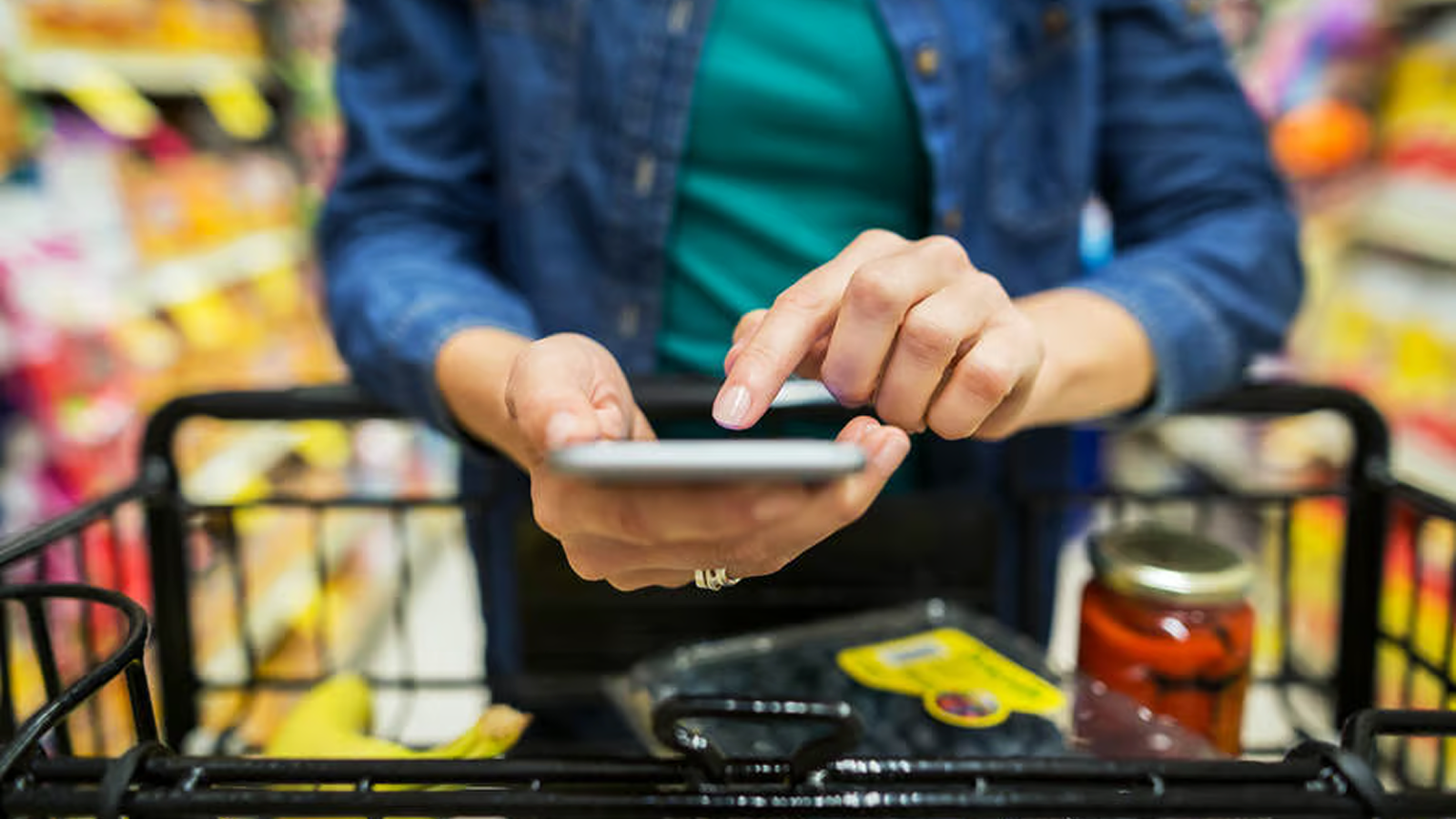
You open an online shopping app to buy one thing.
Ten minutes later, you have looked at shoes, headphones, kitchen gadgets, jackets and something you definitely did not need.
You close the app.
Then you open it again.
The strange thing is that nobody forced you to stay.
There was no salesperson standing beside you.
No crowded store.
No checkout line.
No pressure to make a decision.
Yet online shopping can sometimes feel almost impossible to stop.
That is not an accident.
Modern shopping platforms have become exceptionally good at removing friction between wanting something and buying it.
And the most interesting part is that the experience is not built around the checkout button.
It begins much earlier.
Shopping Used to Require Effort
Traditional shopping had natural stopping points.
You had to travel to a store.
You had to walk around.
You had to find the product.
You had to stand in a queue.
You had to take out your wallet.
Each step created a small opportunity to reconsider the purchase.
Online shopping removed many of those barriers.
Search.
Click.
Compare.
Add to cart.
Pay.
Done.
The entire process can happen in minutes.
That convenience is one of the greatest achievements of e-commerce.
But convenience has another effect:
It makes buying easier than thinking about whether you actually need something.
The Infinite Store Has No Closing Time
A physical store eventually closes.
An online store doesn’t have to.
There is always another product.
Another recommendation.
Another category.
Another deal.
Another page.
This creates something fundamentally different from traditional shopping.
There is no obvious endpoint.
You can keep scrolling almost indefinitely.
And once you have finished looking at one product, the platform can immediately show you another.
The shopping experience becomes a continuous stream rather than a single transaction.
You are no longer simply shopping for an item.
You are browsing an environment designed to keep your attention.
“You May Also Like” Is More Powerful Than It Looks
One of the simplest features in online shopping is also one of the most influential:
product recommendations.
You look at a laptop.
The website shows you a mouse.
Then a laptop stand.
Then a backpack.
Then headphones.
Then another laptop.
None of these recommendations necessarily feels like an advertisement.
They feel like assistance.
The website appears to be helping you complete your purchase.
But recommendations also expand the number of things you consider buying.
One product can become five.
A shopping mission can quietly turn into a shopping session.
The Product You Want Is Only the Beginning
Modern e-commerce platforms are extremely good at creating connections between products.
A camera leads to a memory card.
A phone leads to a case.
A sofa leads to cushions.
A running shoe leads to sportswear.
A coffee machine leads to coffee beans.
The objective is not necessarily to convince you to buy something completely unrelated.
It is often more subtle.
The platform finds something that makes sense next to what you are already considering.
That makes the recommendation feel natural.
And because it feels relevant, you are more likely to consider it.
Discounts Change the Way We Think About Price
Imagine seeing a product priced at ₹4,999.
Now imagine the same product displayed as:
₹8,999 → ₹4,999
The second presentation can feel like a better deal even though you are still paying ₹4,999.
The original price becomes a reference point.
This is one reason pricing presentation matters so much in retail.
We rarely evaluate prices in complete isolation.
We compare them with something.
An original price.
A competitor.
A previous purchase.
A discount percentage.
A “limited-time” offer.
The number next to the current price can influence how valuable the purchase feels.
“Only 2 Left” Changes the Decision
Scarcity is another powerful psychological trigger.
Messages such as:
Only 2 left
Limited stock
Selling fast
Offer ends tonight
create a sense of urgency.
Suddenly, the question changes.
Instead of:
“Do I need this?”
you may start thinking:
“What if I lose the opportunity to buy it?”
That is an important psychological shift.
The product itself has not changed.
Your perception of the decision has.
Free Shipping Can Change the Entire Cart
Consider two situations.
You find a product for ₹900.
Shipping costs ₹100.
Total: ₹1,000.
Now imagine the store says:
Free shipping on orders above ₹1,000.
Suddenly, adding another ₹150 product can feel attractive.
You are no longer thinking about whether the extra product is worth ₹150.
You may start thinking about how much shipping you are “saving.”
This is one reason free shipping thresholds can increase basket sizes.
The cost of delivery becomes a psychological incentive to spend more.
Your Cart Can Become a Waiting Room
The shopping cart is an interesting place.
You can add something without buying it.
That creates a strange middle ground between wanting and owning.
Once an item sits in your cart, it becomes psychologically familiar.
You have already selected it.
You have already imagined owning it.
You may have compared it with alternatives.
The final step can therefore feel less like making a new decision and more like completing an old one.
This is one reason abandoned carts are so important in e-commerce.
The customer was interested.
The decision simply wasn’t finished.
One-Click Checkout Removes the Final Moment of Doubt
The checkout process used to be a serious interruption.
You had to enter an address.
Choose payment.
Enter card information.
Confirm details.
Wait.
Modern payment systems have reduced much of that friction.
Saved addresses.
Saved payment methods.
Digital wallets.
One-click purchasing.
Buy-now buttons.
The fewer steps between desire and payment, the easier it becomes to complete a purchase.
This is excellent when you are buying something you genuinely need.
But the same convenience can make impulsive purchases easier too.
Personalization Makes Shopping Feel Surprisingly Relevant
Modern shopping platforms can personalize what you see.
The homepage may be different for you than it is for someone else.
The products shown in recommendations can change.
Search results can be influenced by your previous behavior.
Emails can feature products related to things you previously viewed.
This creates a shopping experience that feels increasingly personal.
The store isn’t simply saying:
“Here is what we sell.”
It is increasingly saying:
“Here is what we think you might want.”
That is a much more powerful proposition.
The Algorithm Learns From What You Almost Bought
Your shopping behavior can reveal more than your purchases.
Imagine you repeatedly view a particular type of product but never buy it.
That behavior can still indicate interest.
You might see similar products later.
You might receive reminders.
You might encounter related recommendations.
This creates a feedback loop.
You look.
The platform learns.
The platform recommends.
You look again.
The platform learns more.
Over time, the shopping experience can become increasingly tailored to your behavior.
Reviews Make the Decision Feel Safer
Online shopping has one major disadvantage compared with physical stores:
You cannot physically inspect most products before buying them.
Reviews help solve that problem.
Thousands of other customers effectively become your extended shopping team.
You can read about:
- Quality
- Size
- Durability
- Performance
- Problems
- Packaging
- Real-world experiences
Reviews reduce uncertainty.
But they can also keep you engaged for longer.
You may start reading reviews of a product you were already planning to buy.
Then compare it with another.
Then another.
Research that began as a quick purchase can become an hour-long investigation.
The Internet Turned Shopping Into Entertainment
This may be the biggest change of all.
Shopping is no longer only transactional.
It can be entertaining.
Scrolling through products can feel similar to browsing social media.
There is always something new.
There are trends.
Unexpected products.
Deals.
Recommendations.
Reviews.
Videos.
Unboxing content.
Influencers.
The boundary between content and commerce has become increasingly thin.
Sometimes you are not shopping because you need something.
You are shopping because shopping itself has become something to do.
Social Media Made the Problem Even Bigger
You might discover a product without ever searching for it.
Someone posts it.
An influencer demonstrates it.
A creator reviews it.
A short video makes it look useful.
A trend suddenly makes thousands of people want the same thing.
Then comes the link.
The distance between seeing something and buying it can now be extremely short.
This is why social commerce has become such an important part of modern retail.
Discovery and purchasing are increasingly happening in the same place.
Convenience Is the Real Product
Online stores obviously sell products.
But they are also selling something else:
convenience.
The ability to shop from your sofa.
Compare dozens of products without visiting different stores.
Read reviews before buying.
Order at any hour.
Track delivery.
Return products without physically visiting a store.
Convenience has enormous value.
And once consumers become accustomed to it, returning to a slower process can feel frustrating.
That is why online shopping has changed consumer expectations far beyond the internet.
The Real Competition Is for Your Attention
There are millions of products available online.
But consumers have limited attention.
That means retailers are not simply competing on products and prices.
They are competing for attention.
The homepage.
The recommendation.
The notification.
The email.
The discount.
The countdown.
The review.
The social media post.
Every element is another opportunity to keep you engaged.
In that sense, modern e-commerce has something in common with social media.
Both are competing for the same scarce resource:
your attention.
Should You Stop Shopping Online?
Not at all.
Online shopping can save time, money and effort.
The goal is not to avoid it.
The goal is to recognize how the experience works.
Before buying something, try asking yourself three questions:
Would I still want this if there were no discount?
Was I looking for this before I saw it?
Would I buy it if I had to wait 24 hours?
Those questions create a small gap between impulse and action.
Sometimes that gap is enough.
The Future of Shopping May Feel Less Like Shopping
The next generation of e-commerce may become even more integrated into everyday life.
Products can increasingly appear through recommendations, social platforms, smart devices and personalized services.
The future may not require you to deliberately visit a store.
Shopping could happen around you.
A product appears when you need it.
A recommendation arrives when something needs replacing.
A service predicts what you might want next.
The boundary between shopping and everyday life becomes increasingly difficult to see.
And that may be the biggest transformation e-commerce has created.
The most successful online stores do not necessarily feel like stores anymore.
They feel like digital environments where discovering, comparing and buying things simply happens.
The easier shopping becomes, the more important it becomes to know when you actually want to buy something—and when the experience simply made you want it.