Why Movie Theaters Are Selling More Than Movies
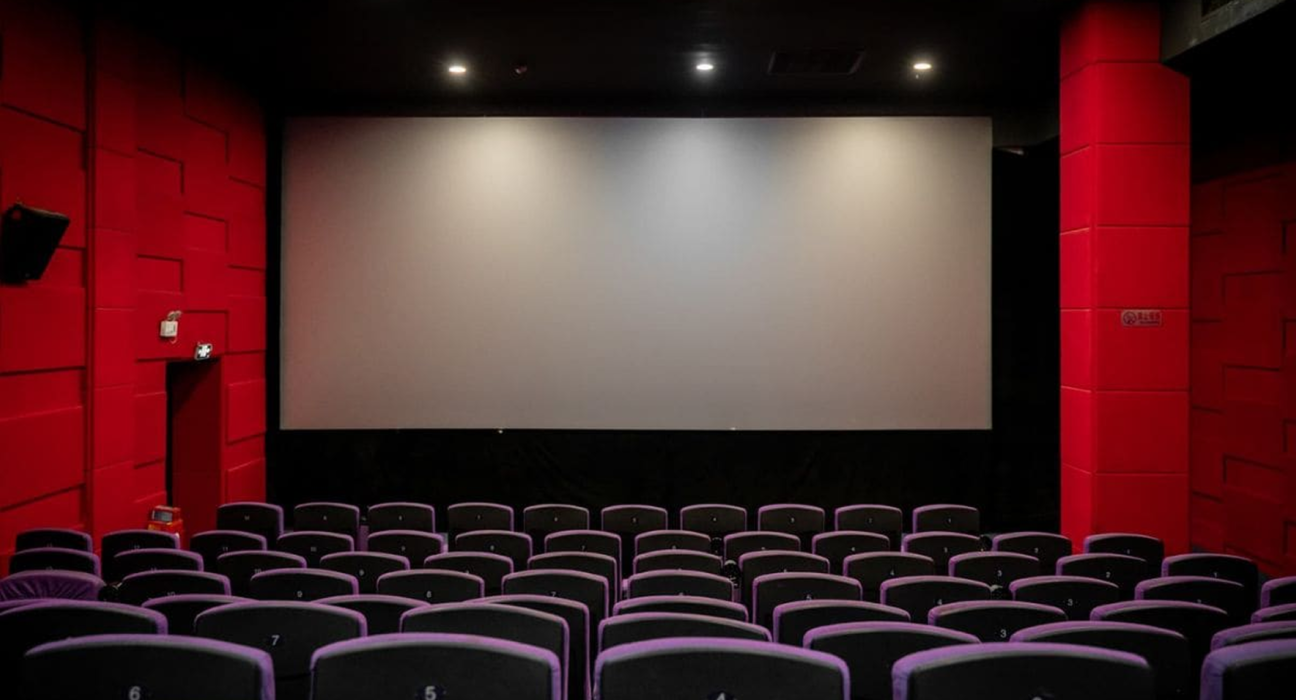
For decades, going to the cinema meant doing one thing.
Watching a movie.
You bought a ticket, found your seat, watched the film and went home.
Today, that simple experience is changing.
Movie theaters are becoming more comfortable, more social, more expensive and, in some cases, much more elaborate.
Reclining seats.
Premium screens.
Special sound systems.
Food delivered to your seat.
Luxury lounges.
Limited-edition merchandise.
Special screenings.
Fan events.
The movie is still the main attraction.
But increasingly, the movie is only part of what you’re paying for.
The Biggest Competition Isn’t Another Cinema
The modern movie theater faces an unusual competitor.
Not another theater.
Not television.
Not even another movie.
It’s your home.
A modern home can provide a very good viewing experience.
You can watch a film on a large television.
You can pause whenever you want.
You don’t have to drive anywhere.
You can wear comfortable clothes.
You can order food.
You can watch at almost any time.
For a cinema to convince you to leave home, simply having a large screen isn’t always enough anymore.
It needs to offer something your living room can’t easily reproduce.
The Screen Is Only One Part of the Experience
Think about what happens when you go to a cinema.
You travel somewhere.
You enter a building.
You see other people.
You buy food.
You wait for the screening.
The lights go down.
The sound changes.
A huge screen fills your vision.
For two or three hours, the outside world largely disappears.
That sequence creates a sense of occasion.
At home, watching a movie can be casual.
At the cinema, it can feel like an event.
That’s an important distinction.
Why Bigger Isn’t Always Enough
A giant screen sounds impressive.
But home televisions have become dramatically better.
High-resolution displays are widely available.
Sound systems have improved.
Streaming quality has increased.
People can create surprisingly sophisticated home theaters.
So cinemas have had to compete on more than technical specifications.
They compete on atmosphere.
A premium cinema isn’t just saying:
“Our screen is bigger.”
It’s saying:
“The entire experience is different.”
Comfort Became Part of the Product
One of the clearest changes is seating.
Traditional cinema seats were designed primarily to fit large numbers of people into a room.
Modern premium theaters increasingly treat the seat itself as part of the experience.
Wider seats.
More legroom.
Reclining options.
More personal space.
Sometimes even food and beverage service.
This changes how customers think about the ticket.
They aren’t only paying to watch a film.
They’re paying for two or three hours of comfort.
Food Is Becoming More Important
Popcorn has always been part of cinema culture.
But food at theaters is becoming much more sophisticated.
Some venues offer restaurant-style menus.
Others provide alcoholic and non-alcoholic drinks.
Some allow food to be delivered directly to your seat.
This creates another source of revenue for theaters.
A movie ticket may get you into the building.
But food and drinks can significantly increase how much a customer spends during the visit.
The theater becomes partly a restaurant.
The Experience Starts Before the Movie
Modern entertainment businesses understand something important:
The experience doesn’t have to begin when the film starts.
It can begin when the customer enters the building.
Lighting.
Music.
Architecture.
Food.
Branding.
Merchandise.
Waiting areas.
Everything can contribute to the feeling that you’re somewhere special.
That matters because customers increasingly judge experiences as a whole.
A technically excellent movie inside an unpleasant environment can still feel disappointing.
A well-designed environment can make the entire outing more memorable.
Special Screenings Change the Equation
A cinema doesn’t always need a brand-new movie to attract an audience.
Special screenings can give older content a new reason to exist.
A classic film can return to theaters.
A popular franchise can receive a special event screening.
A concert film can become a cinema experience.
A major sporting or cultural event can be shown on a giant screen.
The theater is no longer limited to traditional film releases.
It can become a venue for shared entertainment.
Why Shared Viewing Still Matters
Streaming is convenient.
But convenience isn’t always the same as excitement.
Watching something with hundreds of other people creates a different emotional experience.
Everyone laughs at the same moment.
Everyone reacts to the same surprise.
A dramatic scene becomes louder because the audience responds together.
The experience becomes collective.
That’s difficult to reproduce at home.
Even if you’re watching the exact same film, you’re not experiencing the exact same environment.
The Cinema Can Turn Watching Into an Occasion
Think about how different these two statements feel:
“I watched a movie last night.”
and:
“I went to see a movie last night.”
The second describes an activity.
You left home.
You went somewhere.
You experienced something.
You may have eaten beforehand.
You may have met friends.
You may have talked about the film afterward.
The movie becomes part of a larger social experience.
That is something cinemas can sell that streaming services can’t completely reproduce.
Premium Cinema Is Changing Who Goes
Not everyone wants the cheapest possible ticket.
Some people are willing to pay more for a better experience.
This creates a premium segment of the cinema market.
Instead of competing entirely on low prices, theaters can offer different levels of experience.
Standard seating for one audience.
Premium screens for another.
Luxury environments for customers who want something more.
It’s similar to the way airlines offer different cabin experiences.
The destination is technically the same.
The experience isn’t.
The Business Is Moving Toward Experience
This is a broader trend happening across entertainment.
People increasingly spend money on experiences rather than simply products.
A cinema ticket is an example.
You don’t take the product home.
The value exists in the moment.
You remember the night.
The people you were with.
The film you watched.
The food you ate.
The atmosphere.
That’s why entertainment businesses increasingly think about the entire customer journey.
Merchandise Creates Another Revenue Stream
Movies have always generated merchandise.
But cinemas themselves can also become part of that ecosystem.
Limited-edition cups.
Posters.
Collectibles.
Special packaging.
Character-themed food.
Event-specific products.
These items can transform a screening into something closer to a cultural event.
For fans, the physical object becomes a reminder of the experience.
For businesses, it becomes another way to generate revenue.
Why Blockbusters Still Matter
Large movies have an advantage that smaller productions often don’t.
They can create a reason to leave home.
A huge action film with spectacular sound and visual effects may simply feel different on a massive screen.
The bigger the spectacle, the stronger the argument for watching it theatrically.
This creates an interesting division in the entertainment industry.
Some films are perfectly comfortable living primarily on streaming platforms.
Others are designed to become events.
The theatrical experience becomes part of the product.
The Future May Be Smaller but Better
The future of cinemas doesn’t necessarily mean every theater becomes a luxury palace.
Different audiences want different things.
Some people want affordability.
Some want premium comfort.
Some want giant screens.
Some want independent films.
Some want social events.
Some simply want somewhere to watch a major release.
That suggests the cinema business may become more segmented.
Instead of one standard theater experience, there may be many different versions of what “going to the movies” means.
The Movie Still Matters Most
For all these changes, one thing hasn’t changed.
A beautiful theater cannot rescue a movie people don’t care about.
The experience can attract people.
It can make the evening more enjoyable.
It can encourage them to spend more.
But the story is still at the center.
That’s why the strongest cinema experiences combine both sides:
a movie worth leaving home for
and
an environment worth paying to experience.
The Cinema Isn’t Really Fighting Streaming
It may be tempting to think of streaming and cinemas as completely opposite businesses.
But the future may be more complicated.
Streaming has made watching movies at home easier than ever.
Cinemas are responding by making the act of going out more valuable.
One is selling convenience.
The other is increasingly selling occasion.
And perhaps that’s the future of movie theaters.
Not simply being the place where movies are shown.
But being the place where watching a movie feels like something you actually went out to do.