Why Buy Now, Pay Later Is So Popular
There was a time when buying something expensive meant doing one of two things: saving for it or putting it on a credit card.
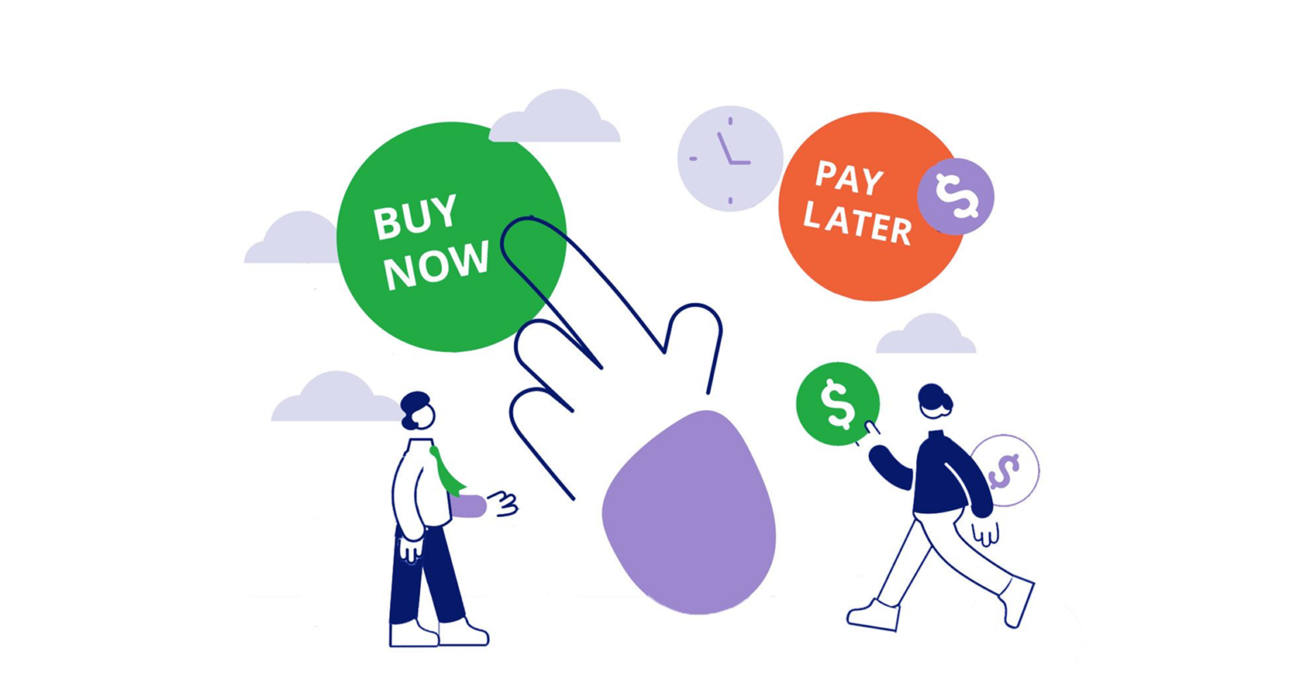
Now there is another option sitting directly beside the Buy button.
Pay in 4.
Pay next month.
Split your payment into installments.
The idea sounds simple.
Instead of paying ₹20,000 today, perhaps you pay ₹5,000 four times.
The total may be similar, but psychologically, the purchase can feel completely different.
And that is one reason Buy Now, Pay Later, commonly called BNPL, has become such an interesting part of modern shopping.
The technology isn’t simply changing how people pay.
It may also be changing how people think about spending.
The Price Tag Has Changed
Imagine you are looking at a pair of headphones priced at ₹20,000.
Seeing ₹20,000 can immediately make you question the purchase.
Do I really need them?
Can I afford them?
Should I wait?
Now imagine the same product displayed as:
₹5,000 × 4 payments
The product hasn’t become cheaper.
But the number competing for your attention has changed.
Instead of focusing on the total price, your brain may focus on the smaller immediate payment.
That psychological difference is important.
BNPL Turns a Large Purchase Into Smaller Decisions
Humans don’t always evaluate money in purely mathematical terms.
A ₹20,000 purchase feels like one large financial decision.
Four ₹5,000 payments can feel like four smaller decisions.
This is closely related to the way people mentally categorize money and expenses.
When the immediate cost feels smaller, a purchase can appear easier to justify.
That doesn’t necessarily mean consumers are being irrational.
It means the way a price is presented can influence how the purchase is perceived.
The “I Can Afford It” Feeling
One of the most powerful effects of installment payments is the change in perceived affordability.
A shopper may think:
“I can’t spend ₹30,000 right now.”
But when presented with:
“₹5,000 per month”
the purchase may suddenly feel possible.
The important question, however, is not:
Can I afford this month’s payment?
It is:
Can I comfortably afford the entire commitment?
Those are very different questions.
Small Payments Can Hide Big Spending
This is where BNPL can become complicated.
Imagine someone makes five separate purchases.
Each one has a monthly payment of ₹2,000.
Individually, none seems particularly large.
Together, they create a monthly commitment of:
₹10,000
The shopper may not have mentally connected all five purchases when making them.
This is one of the potential problems with fragmented payments.
The individual decisions feel small while the combined obligation becomes significant.
Why the Checkout Page Matters So Much
Modern e-commerce has become extremely good at reducing friction.
A typical online purchase might involve:
Product → Add to Cart → Checkout → Payment → Confirmation
The fewer obstacles between wanting something and purchasing it, the easier it becomes to complete the transaction.
BNPL can remove another psychological barrier by reducing the amount that needs to be paid immediately.
That can make checkout feel almost effortless.
And convenience is powerful.
The Rise of “Frictionless Spending”
Digital payments have already made spending easier.
You don’t necessarily need cash.
You don’t necessarily need to enter your card details.
Your payment information may already be saved.
A biometric scan can authorize a transaction.
And now the cost can potentially be divided into installments.
Each step removes another moment where you might stop and reconsider.
That’s convenient for consumers.
It’s also valuable for retailers.
Why Retailers Like BNPL
BNPL isn’t only attractive to shoppers.
Retailers have an incentive to offer installment payments because easier payment options can potentially increase purchasing activity.
A shopper who doesn’t want to pay ₹15,000 immediately may be more comfortable committing to smaller installments.
This can potentially affect:
- Conversion rates
- Average order value
- Cart abandonment
- Customer acquisition
- Purchase frequency
The exact impact varies by retailer, product category, customer group, and payment provider.
But the underlying business idea is straightforward:
Make the purchase easier to complete.
The Product Isn’t the Only Thing Being Sold
There’s another interesting shift happening here.
Traditional shopping asks:
“Can you afford this product?”
Modern checkout experiences can subtly shift the question toward:
“Can you afford this payment?”
Those questions sound similar.
They aren’t.
A person might be able to handle a ₹2,500 installment today but still be making a poor financial decision if several other payments are already due next month.
The payment structure can therefore change the way affordability is perceived.
BNPL Can Be Useful
It would be unfair to describe BNPL as automatically bad.
For some consumers, installment payments can provide useful flexibility.
For example, someone may have a predictable income and prefer to spread a planned purchase across several payments.
A structured payment plan can also make budgeting easier in certain situations.
The key issue is not simply whether payments are split.
It’s whether the consumer understands the total cost, repayment schedule, fees, and consequences of missing payments.
Where Things Can Go Wrong
The risks become more significant when people use installment payments to buy things they otherwise couldn’t reasonably afford.
Problems can arise when consumers:
- Take on multiple BNPL plans
- Miss payment deadlines
- Don’t track outstanding balances
- Ignore fees or penalties
- Use installment plans for frequent impulse purchases
- Treat available credit as available income
The technology makes borrowing easier.
That means financial discipline becomes even more important.
The Subscription Effect
BNPL also has something in common with subscriptions.
Subscriptions turn a large annual commitment into a smaller recurring payment.
BNPL can turn a large purchase into smaller scheduled payments.
Both models change how consumers experience price.
Instead of seeing:
“This costs ₹24,000.”
you may see:
“This costs ₹2,000 per month.”
The smaller number can feel easier to process.
But the larger commitment hasn’t disappeared.
It has simply been divided.
Why Impulse Purchases Become Easier
Impulse buying often happens when emotion temporarily wins over long-term planning.
You see something.
You want it.
You imagine owning it.
Then you find a payment option that makes the purchase feel manageable.
The time between desire and ownership becomes very short.
BNPL can therefore fit particularly well with impulse-driven e-commerce because it reduces one of the strongest psychological barriers:
the pain of paying the full amount immediately.
The “Future Me Will Pay” Problem
There is another psychological trap worth considering.
When you buy something using installments, part of the financial burden is moved into the future.
But your future income isn’t always guaranteed.
Your future expenses aren’t either.
You may have unexpected bills, changes in employment, travel expenses, or other financial priorities.
The purchase happens today.
The consequences continue later.
That gap can make spending feel easier than it actually is.
BNPL and Younger Consumers
Younger consumers have grown up in an environment where digital payments are normal.
They are comfortable purchasing through apps, online stores, digital wallets, and one-click checkout systems.
BNPL fits naturally into that environment.
But financial experience may not always grow at the same speed as payment convenience.
Understanding how credit, interest, fees, missed payments, and debt work becomes increasingly important as consumers gain access to more financial products.
The New Psychology of “Affordable”
Perhaps the most interesting thing about BNPL isn’t the payment technology itself.
It’s the way it can redefine the word affordable.
Historically, affordability might have meant:
“Do I have enough money to buy this?”
Today, digital commerce can encourage a different question:
“Can I manage the payment?”
That distinction is subtle.
But it can have a major impact on spending behavior.
What Consumers Should Ask Before Using BNPL
Before choosing an installment payment option, ask:
1. What Is the Total Cost?
Don’t focus only on the monthly payment.
Look at the complete amount you will pay.
2. Is There Interest?
Some BNPL products may offer interest-free plans while others may involve interest or other charges depending on the product and terms.
Read the actual terms.
3. Are There Late Fees?
Understand what happens if you miss a payment.
4. How Many Payments Do I Already Have?
Consider your existing installment commitments before taking on another.
5. Would I Still Buy This Without BNPL?
This is perhaps the most revealing question.
If the answer is no, the payment option may be influencing the purchase more than the product itself.
The Bigger Story Behind BNPL
BNPL is part of a much larger transformation in consumer finance.
Payments are becoming increasingly invisible.
The checkout process is becoming faster.
Credit is becoming more integrated into shopping platforms.
And the boundary between shopping and borrowing is becoming less obvious.
That’s why BNPL is worth understanding beyond the question of whether it is convenient.
It represents a bigger change in how consumers interact with money.
Final Thoughts
Buy Now, Pay Later didn’t invent installment payments.
What it changed is where and how those payments appear.
Instead of visiting a bank or applying for a traditional loan, consumers can encounter financing directly while shopping.
That convenience can be useful when used responsibly.
But it can also make expensive purchases feel smaller than they really are.
The smartest way to look at BNPL is therefore simple:
Don’t ask whether you can afford the installment. Ask whether you can afford the purchase.
That small change in thinking can make a very big difference.