How to Pack for International Travel: Complete Packing Checklist
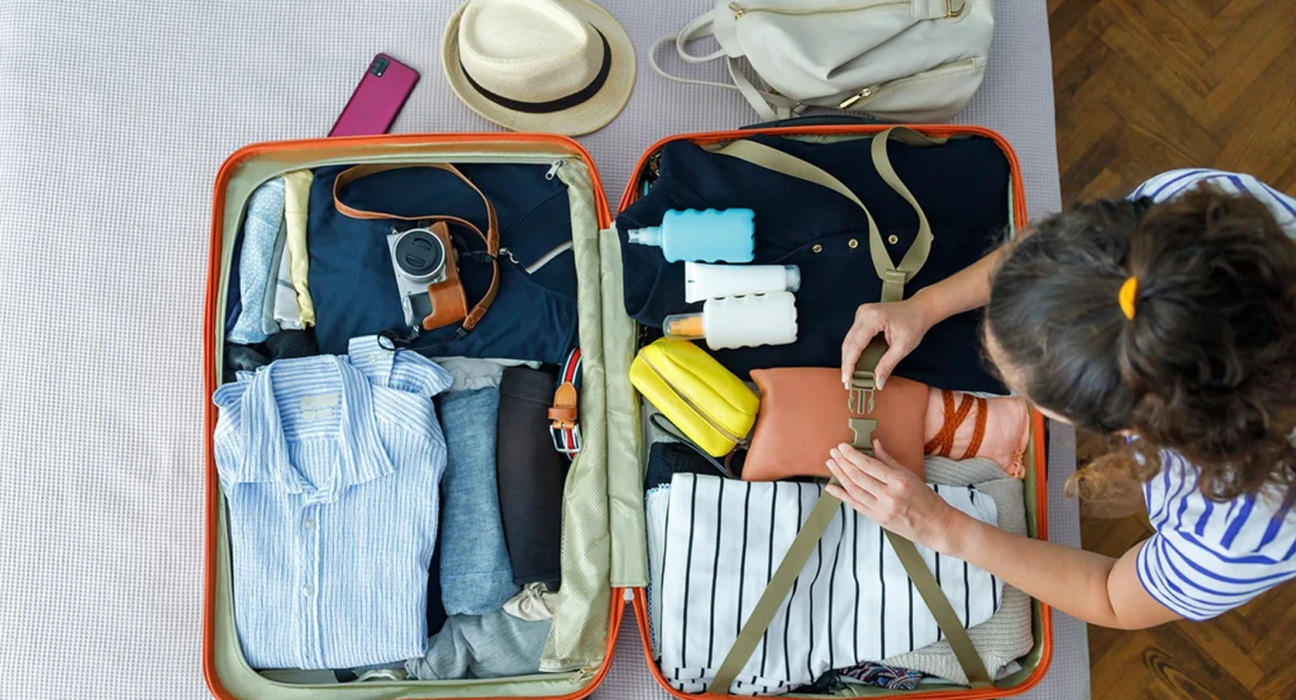
Packing for an international trip can feel complicated.
You need to think about clothes, passports, electronics, toiletries, money, medications, weather, airline baggage rules, and everything you may need after arriving in another country.
The challenge is not simply fitting everything into a suitcase.
Good packing means taking what you actually need, keeping important items accessible, and avoiding unnecessary weight and clutter.
Whether you are taking your first international trip or simply want a better packing system, this guide will help you prepare step by step.
Start With Your Trip
Before putting anything into your suitcase, understand the trip you are packing for.
Consider:
- Destination
- Trip length
- Weather
- Activities
- Accommodation
- Transportation
- Airline baggage allowance
- Laundry availability
- Cultural expectations
- Special equipment you may need
A week-long city trip requires a very different packing list from a two-week hiking trip.
Avoid creating one giant packing list and taking everything every time.
Instead, build your list around the actual trip.
1. Check Your Passport
Your passport is one of the most important items for international travel.
Before leaving, check:
- Passport validity
- Blank pages
- Physical condition
- Visa requirements
- Entry requirements for your destination
Some destinations require passports to remain valid for a certain period beyond your planned stay.
Do not wait until the day before your trip to discover that your passport does not meet the destination’s requirements.
Keep your passport somewhere secure but easily accessible during travel.
2. Organize Your Travel Documents
Create a dedicated travel-document folder.
Depending on your trip, it may contain:
- Passport
- Visa or electronic visa confirmation
- Flight tickets
- Hotel reservations
- Travel insurance documents
- Transportation reservations
- Tour bookings
- Driving license
- International driving permit, if required
- Emergency contact information
Keep digital copies of important documents as well.
A useful approach is to store copies securely on your phone and in a cloud account that you can access while traveling.
Avoid relying exclusively on your phone.
For critical documents, having an additional accessible copy can be useful if your device is lost or unavailable.
3. Check Your Airline Baggage Allowance
Do this before packing.
Airlines can have different rules for:
- Checked baggage
- Cabin baggage
- Personal items
- Weight limits
- Size limits
- Number of bags
- Restricted items
Your baggage allowance may also vary depending on your ticket type, route, airline, and frequent-flyer status.
Do not assume that the rules are the same for every airline.
Checking before packing can prevent unexpected fees at the airport.
4. Choose the Right Luggage
Your luggage should match your trip.
Carry-On
A carry-on is useful for:
- Short trips
- Business travel
- Trips involving multiple destinations
- Keeping important items close to you
Checked Suitcase
A larger suitcase can make sense when you need:
- More clothing
- Winter clothing
- Special equipment
- Longer-trip supplies
Backpack
A backpack can be useful for:
- Day trips
- Walking tours
- Hiking
- Carrying electronics
- Keeping essential items accessible
The best luggage is not necessarily the largest luggage.
A smaller, organized bag can make international travel much easier.
5. Pack Clothes Based on Days, Not Possibilities
One common packing mistake is preparing for every possible situation.
Instead, think about how many outfits you realistically need.
For example, a basic trip might include:
- T-shirts or tops
- Shirts
- Pants
- Shorts
- Underwear
- Socks
- Sleepwear
- Light jacket
- Comfortable shoes
Choose clothing that can be combined into multiple outfits.
Neutral colors and versatile pieces can make it easier to create different combinations without packing too many clothes.
6. Check the Weather Before Packing
Weather should influence your entire packing list.
Check expected conditions for your destination and travel dates.
Think about:
- Temperature
- Rain
- Humidity
- Wind
- Snow
- Sun exposure
- Day and night temperatures
Do not pack only based on the average temperature.
A destination may have warm afternoons and much cooler evenings.
Layering can be more practical than carrying one extremely heavy item.
7. Pack for Activities
Your activities should determine what you take.
For example:
City Trip
Consider:
- Comfortable walking shoes
- Casual clothing
- Light jacket
- Day backpack
Beach Holiday
Consider:
- Swimwear
- Sandals
- Sun protection
- Lightweight clothing
Hiking Trip
Consider:
- Appropriate hiking shoes
- Weather-resistant clothing
- Backpack
- Suitable outdoor layers
Business Trip
Consider:
- Formal clothing
- Work shoes
- Laptop
- Chargers
- Business documents
Do not pack specialized equipment unless you genuinely expect to use it.
8. Pack Comfortable Shoes
Shoes can take up significant luggage space.
For many trips, one comfortable everyday pair may be enough.
Depending on the itinerary, you may also need:
- Formal shoes
- Sandals
- Hiking shoes
- Water shoes
Choose footwear based on actual activities.
If you are buying new shoes specifically for a trip, wear them before traveling.
A long day of walking is not the ideal time to discover that your new shoes are uncomfortable.
9. Prepare Your Toiletries
Basic toiletries may include:
- Toothbrush
- Toothpaste
- Shampoo
- Conditioner
- Soap
- Deodorant
- Moisturizer
- Razor
- Hairbrush or comb
- Sunscreen
- Personal hygiene products
Travel-size containers can reduce space and weight.
If your accommodation provides certain toiletries, you may not need to carry full-size versions.
For carry-on travel, make sure liquids and gels comply with the applicable airport security rules for your departure and connecting airports.
10. Pack Medications Carefully
If you take regular medication, plan for it before the trip.
Keep essential medication accessible rather than placing it only in checked baggage.
Depending on the medication and destination, you may need:
- Original packaging
- Prescription information
- Doctor’s documentation
- Additional quantities
- Information about local restrictions
Medication rules can differ between countries.
If you take prescription medication, check the relevant destination requirements before traveling.
11. Pack Your Electronics
Modern travelers often carry several electronic devices.
Depending on your trip, you may need:
- Smartphone
- Laptop or tablet
- Chargers
- Charging cables
- Power bank
- Headphones
- Camera
- Camera batteries
- Memory cards
- Travel adapter
Do not automatically pack every device you own.
Ask yourself:
Will I actually use this during the trip?
Reducing unnecessary electronics can make your luggage lighter and easier to manage.
12. Take a Travel Adapter When Needed
Electrical outlets differ between countries.
If your destination uses a different plug type, you may need a travel adapter.
Also check the voltage requirements of your devices.
An adapter changes the physical connection. It does not necessarily convert electrical voltage.
Some devices support multiple voltage ranges, while others may require additional equipment.
Check your device specifications before plugging them into a different electrical system.
13. Keep Important Electronics in Your Carry-On
Valuable or essential electronics are generally better kept with you rather than placed in checked luggage.
This may include:
- Laptop
- Smartphone
- Camera
- Important storage devices
- Power bank
Power banks and certain lithium-battery devices may have specific airline restrictions and are commonly required to be carried in cabin baggage rather than checked baggage.
Always check your airline’s current rules before traveling.
14. Organize Your Money
International travel may involve multiple payment methods.
Consider carrying:
- Debit card
- Credit card
- Some local currency
- Emergency payment method
Do not rely on a single card.
If your primary card stops working, having another payment option can be extremely useful.
Avoid carrying all your cash in one location.
15. Download Important Travel Information
Before leaving, make useful information available offline where possible.
Consider saving:
- Hotel address
- Booking confirmations
- Flight information
- Maps
- Transportation information
- Emergency contacts
- Important travel documents
Internet access may not always be available immediately after arrival.
Having essential information accessible offline can make the first few hours of a trip much easier.
16. Prepare Your Phone
Your phone can become one of your most important travel tools.
Before leaving, consider:
- Activating international roaming if needed
- Arranging a local SIM or eSIM
- Downloading offline maps
- Downloading translation tools
- Saving important contacts
- Checking your mobile plan
- Backing up important data
- Enabling device security
Make sure you know how you will access mobile data after landing.
17. Pack a Small Travel Essentials Bag
Keep frequently needed items together.
Your small travel bag might contain:
- Passport
- Wallet
- Phone
- Earphones
- Charging cable
- Power bank
- Medication
- Travel documents
- Pen
- Tissues
- Small personal items
This makes airport transfers, immigration, and boarding easier because you do not have to repeatedly open your main suitcase.
18. Keep One Change of Clothes in Your Carry-On
If you are checking a suitcase, consider keeping a basic change of clothes in your cabin bag.
This can be useful if your checked baggage is delayed.
You might include:
- One shirt or top
- Underwear
- Socks
- Basic toiletries
- Essential medication
You do not need to pack your entire wardrobe in your carry-on.
Just enough to remain comfortable if your checked bag does not arrive immediately.
19. Don’t Forget Sleep and Comfort Items
Long flights can be tiring.
Depending on your preferences, consider:
- Neck pillow
- Eye mask
- Earplugs
- Light jacket
- Comfortable socks
- Headphones
These are optional.
Only pack them if they genuinely improve your travel experience.
20. Keep Important Items Accessible
Not everything should be buried at the bottom of your suitcase.
Items you may need during travel should be easy to reach.
For example:
- Passport
- Wallet
- Phone
- Documents
- Medication
- Chargers
- Headphones
Good organization can be more valuable than simply packing less.
21. Use Packing Cubes or Small Organizers
Packing cubes can divide your luggage into sections.
For example:
Cube 1: Tops
Cube 2: Pants and bottoms
Cube 3: Underwear and socks
Cube 4: Accessories
Small pouch: Electronics
Toiletry bag: Personal-care items
They are not essential, but they can make finding things much easier.
22. Leave Some Space in Your Suitcase
Do not fill your suitcase to maximum capacity before leaving.
Leaving some space can be useful for:
- Souvenirs
- Gifts
- Shopping
- Additional clothing
- Items you purchase during the trip
An overfilled suitcase can also make packing for the return journey frustrating.
23. Consider Laundry
Laundry can dramatically reduce the amount of clothing you need.
If you have access to:
- Hotel laundry
- A laundromat
- Washing facilities at accommodation
- Hand-washing options
You may not need to pack enough clothes for every day of a long trip.
For longer journeys, planning one or two laundry sessions can significantly reduce luggage weight.
24. Don’t Pack Things You Can Easily Buy
You do not need to take your entire bathroom with you.
Basic products such as certain toiletries, snacks, or inexpensive everyday items may be easy to purchase at your destination.
Of course, this depends on the destination and your personal requirements.
Essential or specialized items should not be left to chance.
25. Protect Important Items From Damage
Fragile items should be packed carefully.
For example:
- Camera equipment
- Glasses
- Small electronics
- Bottles
- Souvenirs
Place fragile items where they are less likely to experience pressure or impact.
For checked luggage, avoid placing highly valuable or irreplaceable items inside if they can reasonably be carried with you.
International Travel Packing Checklist
Use this quick checklist before leaving home.
Documents
- ☐ Passport
- ☐ Visa or entry documents
- ☐ Flight information
- ☐ Hotel reservations
- ☐ Travel insurance information
- ☐ Transportation bookings
- ☐ Driving documents if required
- ☐ Digital document backups
Money
- ☐ Debit card
- ☐ Credit card
- ☐ Emergency payment method
- ☐ Local currency
- ☐ Wallet
Clothing
- ☐ Tops
- ☐ Pants
- ☐ Shorts
- ☐ Underwear
- ☐ Socks
- ☐ Sleepwear
- ☐ Jacket or layers
- ☐ Suitable shoes
- ☐ Weather-appropriate clothing
Toiletries
- ☐ Toothbrush
- ☐ Toothpaste
- ☐ Deodorant
- ☐ Shampoo
- ☐ Personal hygiene products
- ☐ Sunscreen
- ☐ Razor
- ☐ Other personal-care items
Electronics
- ☐ Smartphone
- ☐ Charger
- ☐ Charging cables
- ☐ Power bank
- ☐ Laptop/tablet if needed
- ☐ Headphones
- ☐ Camera if needed
- ☐ Travel adapter
Health & Safety
- ☐ Prescription medication
- ☐ Basic personal health items
- ☐ Important medical documents if required
- ☐ Emergency contacts
Before Leaving
- ☐ Check airline baggage rules
- ☐ Check destination entry requirements
- ☐ Check weather
- ☐ Download offline maps
- ☐ Check mobile connectivity
- ☐ Back up important data
- ☐ Confirm accommodation
- ☐ Check flight details
- ☐ Weigh your luggage
Carry-On vs Checked Baggage
A simple way to decide what goes where is to think about importance, value, and accessibility.
| Item | Carry-On | Checked |
|---|---|---|
| Passport | ✓ | — |
| Wallet | ✓ | — |
| Medication | ✓ | — |
| Phone | ✓ | — |
| Laptop | ✓ | — |
| Power bank | ✓ | — |
| Essential documents | ✓ | — |
| Most clothing | ✓ | ✓ |
| Shoes | ✓ | ✓ |
| Toiletries | ✓ | ✓ |
| Large liquid containers | — | ✓* |
| Fragile valuables | Preferably ✓ | Avoid |
| Non-essential items | — | ✓ |
*Subject to applicable airline and airport security restrictions.
The Night Before Your Trip
Do a final check before going to sleep.
Documents
Passport, visa, tickets, hotel details.
Money
Cards, cash, wallet.
Electronics
Phone, chargers, power bank, adapters.
Health
Medication and essential personal items.
Luggage
Check weight and make sure all bags are properly closed.
Home
Check doors, appliances, important arrangements, and anything that needs attention before leaving.
What Not to Pack
Packing efficiently is also about knowing what to leave behind.
Avoid packing:
- Too many outfits
- Unnecessary shoes
- Full-size toiletries when smaller options are available
- Devices you will not use
- Excessive duplicate items
- Items restricted by your airline or destination
- Things that are inexpensive and easy to purchase at your destination
Every unnecessary item adds weight and makes your luggage harder to manage.
Final Packing Strategy
A simple international packing system can be summarized in five steps:
1. Check the destination.
Understand the weather, activities, culture, and requirements.
2. Check the airline.
Know your baggage allowance and restrictions.
3. Build your essentials list.
Start with documents, medication, money, and electronics.
4. Pack versatile clothing.
Choose items that work across multiple outfits and situations.
5. Keep important items accessible.
Your passport, money, medication, documents, and essential electronics should be easy to reach.
The goal is not to pack everything you might possibly need.
The goal is to pack enough to stay comfortable, prepared, and flexible without carrying unnecessary weight.
A well-packed suitcase can make airports easier, transfers faster, hotel check-ins simpler, and the entire journey more comfortable.
Before you close your suitcase, ask yourself one final question:
“Do I actually need this, or am I packing it just in case?”
That question alone can make a surprisingly big difference.