
How to Choose a Washing Machine: A Complete Buying Guide
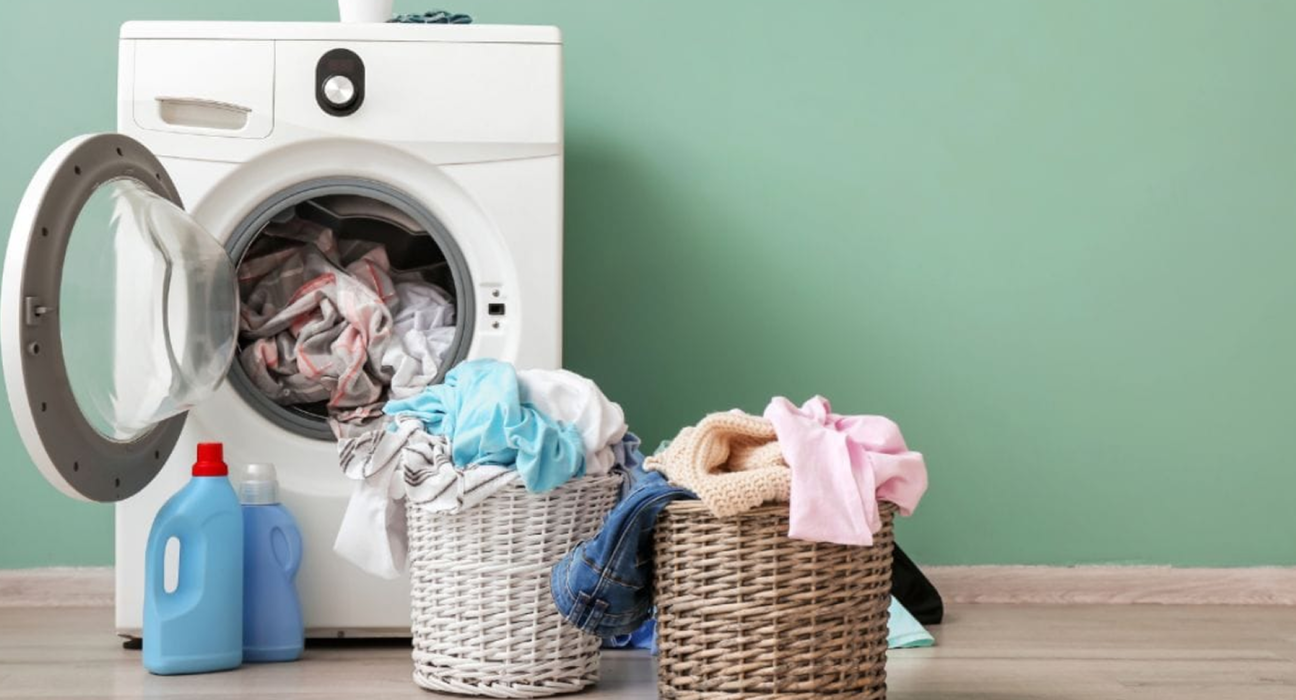
A washing machine is one of those household appliances you may use several times a week for years.
That makes choosing the right model more important than simply looking for the cheapest option or buying the machine with the most features.
The right washing machine depends on your household size, available space, laundry habits, budget, water and electricity usage, and the types of clothes you regularly wash.
There are also several types of washing machines, different capacities, wash programs, technologies, and installation requirements to consider.
This guide explains the most important things to check before buying one.
Why Choosing the Right Washing Machine Matters
A washing machine is a long-term purchase.
A model that works well for a small apartment may not be suitable for a large family. Similarly, a machine with a large capacity may be unnecessary if you live alone.
The right choice can help you:
- Handle your regular laundry more efficiently
- Avoid unnecessary water and electricity consumption
- Reduce the number of loads you need to run
- Protect delicate clothing
- Make better use of your available space
- Avoid paying for features you don’t need
The goal isn’t to find the machine with the longest feature list.
It’s to find one that fits your actual lifestyle.
1. Choose the Right Type of Washing Machine
The first decision is the type of washing machine.
The most common options are:
- Front-load washing machines
- Top-load washing machines
- Semi-automatic machines in some markets
- Compact washing machines
- Washer-dryer combinations
Each has advantages and disadvantages.
Front-Load Washing Machines
Front-load machines have a door on the front of the appliance.
They are generally designed to tumble clothes through water and detergent during the wash cycle.
Potential advantages include:
- Efficient use of water in many models
- Good cleaning performance
- Strong spin cycles on many machines
- Ability to stack some compatible models
- Generally gentle handling of clothing
However, front-load machines can have some drawbacks.
They may:
- Cost more initially
- Require bending down to load clothes
- Require careful door-seal maintenance
- Need adequate space for the door to open
Top-Load Washing Machines
Top-load machines have the opening on the top.
They can be convenient for people who prefer not to bend down while loading laundry.
Potential advantages include:
- Convenient loading
- Often shorter or simpler wash cycles depending on model
- Easy access during loading
- Wide range of price options
However, performance and efficiency vary considerably between models.
Some top-load machines use more water than efficient front-load models, while newer high-efficiency top-load machines can be considerably more efficient than traditional designs.
Washer-Dryer Combination
A washer-dryer combination combines washing and drying in one appliance.
This can be useful when space is limited.
Instead of having separate washing and drying machines, one appliance performs both functions.
The trade-off is that wash and dry capacity may differ, and drying can take longer depending on the technology and load.
If you have enough space, separate appliances may provide greater flexibility.
2. Consider the Washing Machine Capacity
Capacity is one of the most important specifications.
It is usually measured in kilograms, particularly in many markets outside North America.
The right capacity depends on how much laundry you typically wash.
A rough starting point might be:
| Household | Typical Capacity to Consider |
|---|---|
| 1–2 people | 5–7 kg |
| 2–3 people | 6–8 kg |
| 3–4 people | 7–9 kg |
| 4–5 people | 8–10 kg |
| Larger households | 9 kg+ |
These are general guidelines rather than strict rules.
Your laundry habits matter just as much as the number of people in the household.
Someone living alone who frequently washes bedding or large loads may benefit from a larger machine.
Don’t Automatically Buy the Largest Capacity
A larger washing machine isn’t always better.
A very large machine can take up more space and may be unnecessary if you usually wash small loads.
Instead, think about your typical laundry volume.
Ask yourself:
- How many people use the machine?
- How frequently do I wash clothes?
- Do I regularly wash blankets or large bedding?
- Do I prefer fewer, larger loads?
- Do I have enough room for a larger machine?
3. Measure Your Available Space
Before buying a washing machine, measure the installation area carefully.
Check:
- Width
- Height
- Depth
- Door clearance
- Water connection
- Drain connection
- Power outlet location
- Space needed to move the machine into position
This is particularly important for front-load machines because the door needs space to open.
Also remember that the machine needs to be transported through doors, hallways, stairways, and elevators before it reaches its final position.
A washing machine that technically fits the installation area may still be difficult to get into the room.
4. Check the Energy Efficiency
Washing machines use electricity, and some models also use significantly more water than others.
Energy efficiency can therefore affect your long-term operating cost.
Look for the applicable energy-efficiency label in your country.
Don’t focus only on the purchase price.
A cheaper machine that uses considerably more energy or water could cost more to operate over several years.
Consider:
Purchase price + operating cost + maintenance = total ownership cost
This gives you a better idea of the machine’s long-term value.
5. Consider Water Consumption
Water usage is another important factor.
Different machines can use very different amounts of water depending on:
- Machine design
- Load size
- Wash program
- Water level
- Temperature
- Fabric type
Efficient machines are generally designed to use water more effectively rather than simply filling the drum or tub with large amounts of water.
If water costs are significant where you live, efficiency becomes even more important.
6. Look at Spin Speed
Washing machines often list a maximum spin speed measured in revolutions per minute, or RPM.
During the spin cycle, the drum rotates quickly to remove water from clothes.
Higher spin speeds can help extract more water before clothes are removed from the machine.
This can be particularly useful if you use a dryer because less water in the clothing can potentially reduce drying time.
However, maximum spin speed isn’t the only thing that matters.
A machine should also provide appropriate lower-speed options for delicate fabrics.
7. Check the Wash Programs
Modern washing machines can have many different programs.
Depending on the model, you might see options such as:
- Cotton
- Synthetics
- Delicates
- Wool
- Quick wash
- Heavy-duty
- Bedding
- Sportswear
- Baby clothing
- Eco
- Cold wash
- Rinse and spin
More programs aren’t automatically better.
Think about the programs you will actually use.
A machine with 25 modes isn’t necessarily more useful than one with 10 well-designed programs.
8. Look for a Good Quick-Wash Program
A quick-wash cycle can be extremely useful for lightly soiled clothing.
Instead of running a full-length program, you can use a shorter cycle when appropriate.
This can be convenient when:
- You need a few clothes quickly
- Clothing has been worn briefly
- The load isn’t heavily soiled
- You want to save time
However, quick cycles aren’t necessarily designed for every type of laundry.
Use the appropriate program based on the fabric and level of dirt.
9. Consider Temperature Options
Different fabrics and stains can require different washing conditions.
Depending on the machine, temperature settings may include:
- Cold
- Warm
- Hot
- Specific temperature selections
Cold or lower-temperature washing can be useful for many everyday loads and can reduce energy used for heating water.
Higher temperatures may be appropriate for certain heavily soiled items or specific hygiene requirements, depending on the garment and manufacturer’s instructions.
Always follow clothing-care labels.
10. Check Noise Levels
Noise can be an important factor if your washing machine is near:
- Bedrooms
- Living rooms
- Home offices
- Shared walls
- Small apartments
Look for noise specifications when manufacturers provide them.
The spin cycle is generally one of the louder stages because the drum rotates at high speed.
A quieter machine can make a noticeable difference if you frequently run laundry at night.
11. Look at Smart Features Carefully
Some modern washing machines offer smart features such as:
- Smartphone notifications
- Remote monitoring
- Cycle selection
- Maintenance alerts
- Energy monitoring
- Diagnostic tools
- Smart-home integration
These features can be convenient.
But don’t pay a significant premium for them unless you actually expect to use them.
A reliable washing machine with excellent core performance can be a better purchase than a heavily connected model with features you rarely need.
12. Consider Automatic Load Sensing
Some washing machines can detect aspects of the load and adjust the cycle accordingly.
Depending on the machine, this may affect:
- Water usage
- Wash duration
- Detergent usage
- Rinse cycles
Automatic sensing can make the machine more efficient for different load sizes.
However, the exact technology and effectiveness vary by manufacturer and model.
13. Check the Detergent System
Some machines use conventional detergent drawers.
Others may offer automatic detergent dispensing.
Automatic dispensing can be convenient because the machine determines how much detergent to use based on settings or load information.
However, it can also make the appliance more complex.
Check how easy the dispenser is to clean and whether it supports the detergent types you normally use.
14. Consider Maintenance Requirements
A washing machine requires regular maintenance.
Before purchasing, find out how easy it is to clean:
- Detergent drawer
- Door seal
- Drain filter
- Drum
- Exterior surfaces
Front-load machines can require particular attention to the door seal and moisture management.
Leaving the door open after a wash, when appropriate, can help the interior dry.
Always follow the manufacturer’s maintenance instructions.
15. Check the Warranty
A warranty provides protection against certain manufacturing defects and other covered issues.
Before buying, check:
- Warranty duration
- What components are covered
- Labor coverage
- Service availability
- Terms and exclusions
A longer warranty isn’t automatically better if the terms are restrictive.
Read the actual warranty conditions rather than relying only on the headline duration.
16. Consider After-Sales Service
This is one of the most overlooked factors.
Even an excellent washing machine can become frustrating if replacement parts and service are difficult to obtain.
Before purchasing, check whether the manufacturer has:
- Service centers in your area
- Spare parts availability
- Customer support
- Authorized technicians
- Reasonable repair coverage
A slightly more expensive appliance with reliable local service can sometimes be a better long-term choice.
17. Think About Your Laundry Habits
Your personal laundry routine should influence your purchase.
If you live alone
You may prioritize:
- Compact size
- Smaller capacity
- Quick cycles
- Lower operating costs
If you have a large family
You may prioritize:
- Larger capacity
- Strong stain-removal performance
- Multiple wash programs
- Durability
- Faster overall laundry processing
If you wash delicate clothing
Look for:
- Gentle cycles
- Wool or delicate programs
- Adjustable spin speeds
- Appropriate temperature controls
If you wash large bedding regularly
Consider:
- Larger drum capacity
- Bedding programs
- Strong spin performance
- Adequate space
18. Don’t Ignore Drum Size
Capacity and physical drum dimensions are related, but they aren’t exactly the same thing.
A machine’s stated capacity tells you how much laundry it is designed to handle.
The physical drum design can also affect how easily bulky items fit inside.
If you regularly wash comforters, blankets, or large bedding, check manufacturer guidance rather than assuming a particular capacity will handle everything.
19. Consider Installation Requirements
Some washing machines require specific installation conditions.
Check:
- Water pressure requirements
- Water inlet connections
- Drain requirements
- Electrical requirements
- Floor stability
- Ventilation where applicable
The machine should also be installed level.
An uneven washing machine can vibrate excessively during high-speed spinning.
20. Think About Long-Term Value
When comparing two washing machines, don’t look only at their prices.
Consider:
| Factor | Why It Matters |
|---|---|
| Purchase price | Initial investment |
| Capacity | Determines suitable load size |
| Energy efficiency | Affects electricity costs |
| Water efficiency | Affects water consumption |
| Programs | Determines flexibility |
| Noise | Affects everyday comfort |
| Warranty | Provides additional protection |
| Service | Matters when repairs are needed |
| Durability | Influences long-term value |
| Features | Determines convenience |
The cheapest machine isn’t necessarily the cheapest to own.
Common Washing Machine Buying Mistakes
Buying based only on price
A low upfront price can be attractive, but operating costs and durability also matter.
Buying too much capacity
A huge machine may be unnecessary for a small household.
Ignoring dimensions
Always measure the installation space and access route.
Choosing features you won’t use
More features can mean more complexity without providing meaningful benefits.
Ignoring service availability
A machine can become difficult to maintain if parts and technicians aren’t easily available.
Forgetting door clearance
This is particularly important with front-load models.
Ignoring noise
If the machine is near a bedroom or living area, noise can become a daily annoyance.
What Should You Prioritize?
If you are overwhelmed by specifications, focus on these factors first:
1. Correct type
Choose front-load, top-load, or another design based on your needs.
2. Suitable capacity
Don’t buy significantly more or less capacity than you need.
3. Space and installation
Make sure the machine physically fits.
4. Efficiency
Consider water and electricity consumption.
5. Reliability and service
Look beyond specifications and consider long-term ownership.
6. Useful programs
Choose cycles that match the clothes you actually wash.
7. Price
Set a realistic budget after considering the factors above.
Final Thoughts
Choosing a washing machine doesn’t have to be complicated.
Start with your household size, laundry habits, available space, and budget. Then compare capacity, efficiency, wash programs, noise, maintenance requirements, warranty, and after-sales service.
Don’t assume the most expensive or feature-packed machine is automatically the best.
The best washing machine is the one that fits your space, laundry needs, budget, and long-term expectations.
Take the time to compare the specifications that actually matter, and you’ll be much more likely to buy an appliance that works well for years rather than simply looking impressive in a product listing.