How Online Stores Seem to Know What You Want to Buy
You search for a pair of shoes.
You look at them for a few seconds.
Maybe you don’t buy them.
Then you open another website.
There they are again.
The same shoes.
Or something remarkably similar.
Later, you see another recommendation for running shoes.
Then socks.
Then a sports watch.
Eventually, you start wondering:
How does the internet know what I want?
The answer isn’t that an online store can read your mind.
It’s doing something more interesting.
It is watching patterns.
And modern shopping systems have become extremely good at turning those patterns into predictions.
Your Shopping Behavior Leaves Clues
Every time you interact with an online store, you can create signals.
You might:
- Search for a product
- Click a listing
- View several products
- Compare prices
- Add something to your cart
- Remove something from your cart
- Read reviews
- Spend time looking at a particular category
- Buy something
- Return something
Individually, these actions may not mean much.
Together, they can reveal a surprisingly detailed picture of what you’re interested in.
The store doesn’t necessarily need to know exactly what you’re thinking.
It can make an educated prediction.
The Search Box Is One of the Strongest Signals
Suppose you search for:
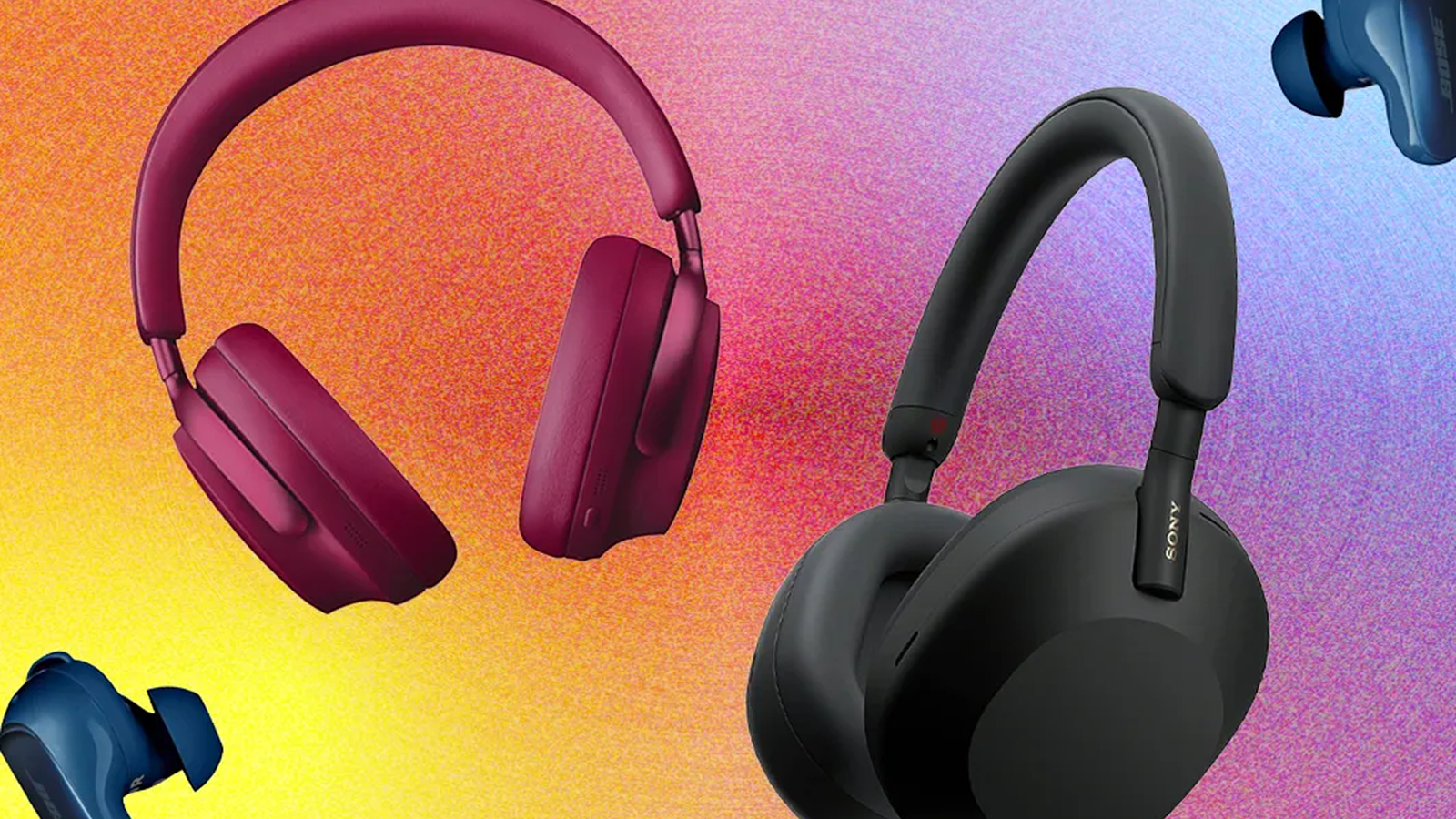
“wireless noise cancelling headphones.”
That’s a strong indication that you’re interested in headphones.
The system may then show you more headphones.
But it may also infer related interests.
Perhaps you might be interested in:
- Travel accessories
- Audio equipment
- Carrying cases
- Earbuds
- Portable speakers
The recommendations don’t have to be based on a single search.
They can be built from relationships between products and the behavior of many shoppers.
Your Clicks Tell a Story
Imagine you visit ten products.
You spend three seconds on most of them.
Then you spend two minutes looking at one.
You read the reviews.
You look at different photos.
You check the available sizes.
You return to the product later.
That product has received much stronger signals than the others.
The system may conclude:
This product is probably more relevant to this customer.
That doesn’t mean you’ll buy it.
It means the algorithm has more reason to believe you might.
Algorithms Learn From Other Shoppers Too
Here’s where recommendation systems become particularly powerful.
An online store doesn’t only learn from you.
It can learn from millions of customers.
Imagine thousands of people buy Product A.
A large percentage of them also buy Product B.
The system can identify that relationship.
Now, when someone views Product A, Product B may appear as a recommendation.
This is commonly known as collaborative filtering.
The system doesn’t necessarily need to understand what makes the products similar.
It can simply observe that shoppers behave as if they are related.
“People Who Bought This Also Bought…”
You’ve probably seen this message.
It looks simple.
But behind it can be a large amount of data analysis.
If customers repeatedly purchase two products together, the system can identify the pattern.
For example:
A customer buys a camera.
Many similar customers also buy a memory card.
The system learns the relationship.
The next camera shopper may see a memory card recommendation.
The store has effectively turned previous customer behavior into a suggestion for the next customer.
Recommendations Can Also Increase What You Spend
There is a business reason retailers invest heavily in recommendation systems.
If a customer comes looking for one product and discovers another useful product, the retailer may increase the total value of the purchase.
This can happen through:
Cross-selling — recommending related products.
Upselling — recommending a more expensive version.
Bundles — combining products that make sense together.
Personalization — showing products more likely to interest a particular shopper.
The recommendation isn’t simply helping you find something.
It can also help the store sell more.
Why Recommendations Sometimes Feel Uncomfortably Accurate
The strange part is that recommendations can sometimes appear almost too relevant.
You search for something once.
Then similar products seem to follow you around the internet.
This can happen because different services may use various forms of browsing, advertising and personalization data, depending on the platform and your settings.
But there’s another reason.
Humans are also very good at noticing things once they become relevant.
Before you searched for running shoes, you might have ignored advertisements for them.
Afterward, you notice them everywhere.
The technology may be influencing what you see.
Your own attention is also changing what you notice.
The Algorithm Doesn’t Necessarily Know You
This distinction is important.
A recommendation system may not actually understand you as a person.
It doesn’t necessarily know:
“Jeetender likes this product.”
It may instead estimate:
“People who behaved in similar ways often showed interest in this type of product.”
That’s a very different thing.
The system is predicting behavior based on patterns.
It isn’t necessarily understanding your personality.
Your Recommendations Can Change Quickly
One interesting characteristic of modern recommendation systems is how quickly they can adapt.
Imagine you’ve been browsing travel products all morning.
Your recommendations may shift toward luggage, travel accessories and related products.
Later, you spend time looking at home furniture.
The system may begin showing furniture-related products.
Your digital shopping environment can therefore change according to your recent behavior.
It’s almost like walking into a store where the shelves rearrange themselves depending on what you’ve been looking at.
Recommendations Can Create a Feedback Loop
There is an interesting side effect.
Suppose an algorithm thinks you like a particular category.
It shows you more products from that category.
You click some of them.
The system interprets those clicks as evidence that you really do like the category.
So it shows you even more.
The process can reinforce itself.
You see something because the system thinks you’ll like it.
You interact with it.
The system becomes even more confident.
That is a recommendation feedback loop.
This Can Be Useful
Personalization isn’t automatically bad.
It can solve a real problem.
Online stores contain enormous numbers of products.
Nobody wants to scroll through thousands of irrelevant listings.
Good recommendations can reduce the amount of searching required.
Instead of asking:
“What should I look at?”
the system can present a smaller set of potentially relevant options.
That can save time.
But It Can Also Narrow Your Choices
There is another side.
If an algorithm repeatedly shows you similar products, you may see fewer alternatives.
You might become comfortable inside a particular category or price range.
That can make shopping easier.
But it can also create a digital version of a familiar store where you keep seeing the same kinds of things.
The algorithm is helping you discover.
But it is also deciding, to some degree, what deserves to be discovered.
Personalization Can Influence Taste
This becomes especially interesting when recommendations move beyond shopping.
Music platforms recommend songs.
Streaming services recommend shows.
Social networks recommend videos.
News platforms recommend stories.
The same basic idea appears everywhere:
Show people more of what they are likely to engage with.
Over time, those recommendations can influence what people actually consume.
Shopping algorithms may therefore be part of a much larger trend.
Digital systems aren’t only responding to preferences.
They can also help shape them.
Why “Recommended for You” Is So Powerful
The phrase sounds harmless.
Recommended for you.
But psychologically, it does something important.
It changes the relationship between the product and the customer.
Instead of:
“Here is a product.”
the message becomes:
“Here is a product selected specifically for you.”
That makes the recommendation feel more relevant.
It can also make browsing feel more personal.
Even when the underlying system is based on statistical patterns rather than deep understanding.
The Future of Shopping May Be Less About Searching
Traditional online shopping often works like this:
You know what you want → you search for it → you buy it.
Recommendation-driven shopping changes the process:
You open the app → the store shows you things → you discover what you want.
That’s a major shift.
The retailer isn’t simply responding to demand.
It is participating in creating demand.
The store can introduce products you didn’t know existed.
It can connect products together.
It can suggest alternatives.
It can anticipate what you might need next.
The Best Recommendation Is Sometimes the One You Ignore
A personalized shopping experience can be useful.
But it is still worth maintaining a little skepticism.
Before buying something because an algorithm recommended it, ask:
Did I actually want this?
Would I have searched for it myself?
Is it genuinely useful?
Did the recommendation make me discover something valuable — or simply make me want something I didn’t need?
Those questions matter because recommendation systems are designed to optimize outcomes.
Those outcomes aren’t always the same as your personal priorities.
Shopping Is Becoming a Conversation With Algorithms
The interesting thing about modern e-commerce is that the store is no longer static.
The shelves change.
The products move.
The recommendations adapt.
The homepage can look different for different people.
Two customers can open the same shopping app and see completely different experiences.
That’s a fundamental change in retail.
The future of shopping may not be about having the biggest catalogue.
It may be about having the smartest way to decide which part of that catalogue you see first.
And the more accurately algorithms predict what we want, the more important one question becomes:
Are they helping us find what we already wanted — or teaching us what to want next?