How Interest Rates Affect the Economy: A Simple Guide
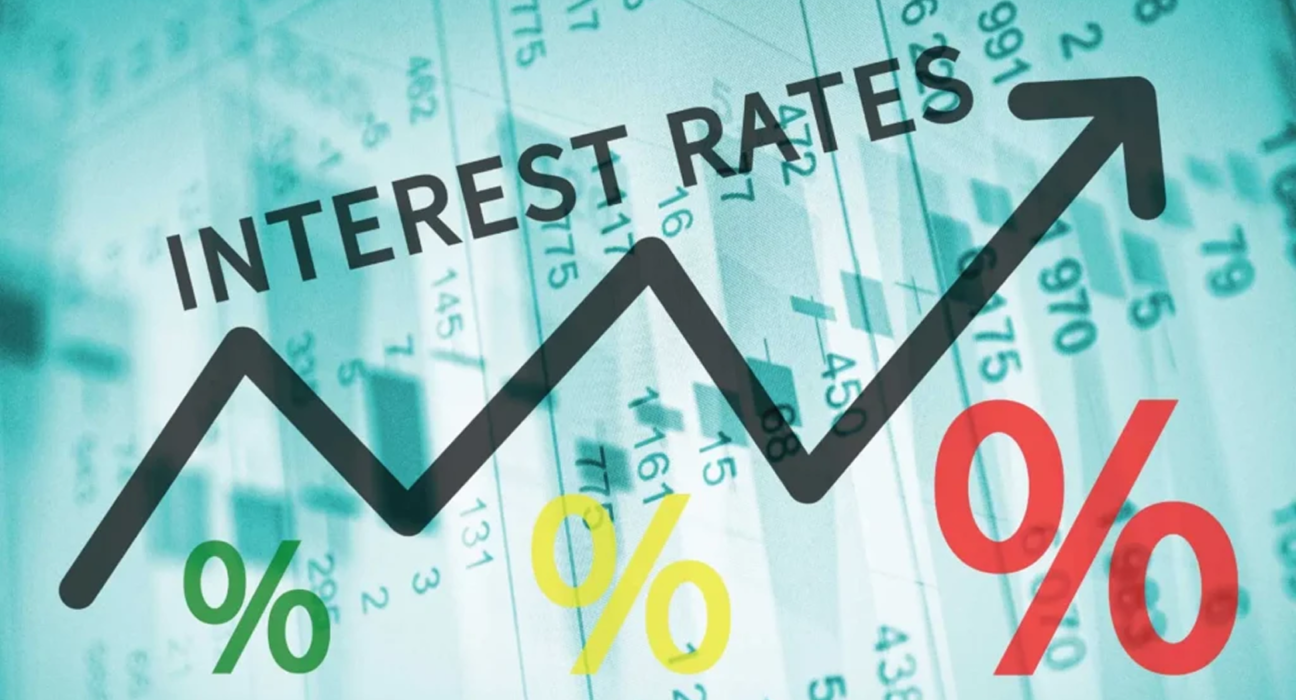
Interest rates affect almost every part of the economy.
They influence how much people pay to borrow money, how much they can earn from savings, how businesses finance their operations, and how willing consumers are to spend.
Central banks use interest rates as one of their main tools for influencing economic conditions.
But how does changing one interest rate affect millions of households and businesses?
The answer involves borrowing, spending, investment, inflation, employment, and consumer confidence.
What Is an Interest Rate?
An interest rate is essentially the cost of borrowing money or the return earned for lending or saving money.
For example, if you borrow ₹1,00,000 and the applicable annual interest rate is 10%, the interest cost would be ₹10,000 over a year under a simple-interest illustration.
In real-world loans, calculations can be more complicated because of repayment schedules, compounding, fees, and other terms.
Interest rates can apply to:
- Home loans
- Personal loans
- Car loans
- Credit cards
- Business loans
- Savings accounts
- Bonds
- Other financial products
Who Sets Interest Rates?
Different countries have different central banks responsible for monetary policy.
Central banks can adjust policy interest rates to influence financial conditions throughout the economy.
Examples include:
- The Federal Reserve in the United States
- The Bank of England in the United Kingdom
- The Reserve Bank of India in India
- The European Central Bank for the euro area
Central banks don’t directly determine every interest rate consumers see.
Instead, their policy decisions influence broader financial conditions, which can affect lending and savings rates.
Why Do Central Banks Change Interest Rates?
One major reason is to influence inflation and economic activity.
When an economy is experiencing strong price growth, a central bank may increase interest rates to make borrowing more expensive and reduce demand.
When economic activity is weak, a central bank may lower rates to encourage borrowing and spending.
The goal isn’t simply to make loans cheaper or more expensive.
Central banks generally try to maintain economic stability while balancing inflation, employment, growth, and other conditions.
What Happens When Interest Rates Rise?
Higher interest rates generally make borrowing more expensive.
This can affect households and businesses in several ways.
Loans Become More Expensive
People taking new loans may face higher interest costs.
Depending on the loan structure, existing borrowers with variable rates may also see their payments increase.
This can reduce the amount of money households have available for other spending.
Saving Can Become More Attractive
Higher rates can increase the returns available on certain savings products.
This can encourage some people to save rather than spend.
Businesses May Reduce Borrowing
Companies often borrow money to:
- Expand operations
- Purchase equipment
- Build facilities
- Hire employees
- Develop products
When financing becomes more expensive, some businesses may delay investments.
Consumers May Spend Less
Higher borrowing costs can reduce consumer spending.
Someone considering a new car, home renovation, or other large purchase may decide to wait if financing has become significantly more expensive.
What Happens When Interest Rates Fall?
Lower interest rates generally make borrowing cheaper.
This can encourage:
- Consumer spending
- Home purchases
- Business investment
- Construction
- Entrepreneurship
- Economic activity
People may also have more disposable income if their borrowing costs decrease.
However, lower rates can also reduce the returns available from some savings products.
Interest Rates and Inflation
Interest rates are closely connected with inflation.
When demand in an economy is strong and prices are rising rapidly, higher interest rates can help reduce spending and borrowing.
The basic relationship can be summarized as:
Higher rates → More expensive borrowing → Potentially less spending → Lower demand pressure
The opposite can happen when rates fall:
Lower rates → Cheaper borrowing → Potentially more spending → Higher demand
This relationship isn’t immediate or perfectly predictable.
Monetary policy can take time to affect the broader economy.
Interest Rates and Mortgages
Housing is particularly sensitive to interest rates because homes are often purchased using large loans.
Consider two borrowers purchasing similarly priced homes.
If one borrower receives a significantly lower mortgage rate, their monthly payment may be more manageable.
When rates rise, some potential buyers may:
- Delay purchasing
- Choose a less expensive property
- Save a larger deposit
- Reduce other spending
Existing borrowers with variable-rate loans may also experience higher payments.
Interest Rates and Businesses
Businesses consider the cost of capital when making investment decisions.
Suppose a company is considering building a new facility.
If financing is inexpensive, the project may appear more attractive.
If borrowing costs increase substantially, the company may decide to:
- Delay the project
- Reduce its size
- Use more internal funds
- Look for alternative financing
- Cancel the project
When many businesses make similar decisions, investment across the economy can slow.
Interest Rates and Employment
Interest rates can indirectly affect employment.
If higher rates reduce consumer spending and business investment, companies may experience weaker demand.
Businesses could respond by slowing:
- Hiring
- Expansion
- Production
- Capital investment
On the other hand, lower rates can support demand and business activity, potentially encouraging companies to invest and hire.
The relationship isn’t automatic because employment also depends on many other factors.
Interest Rates and Stock Markets
Interest rates can influence financial markets as well.
When interest rates rise, borrowing becomes more expensive and future corporate earnings may be valued differently by investors.
Higher interest rates can also make interest-bearing assets more attractive relative to some riskier investments.
When rates fall, investors may become more willing to seek returns in assets such as stocks, depending on broader economic conditions.
However, stock markets don’t move solely because of interest-rate decisions.
Investors also consider:
- Corporate earnings
- Economic growth
- Inflation
- Government policy
- Geopolitical events
- Consumer demand
- Expectations about future rates
Interest Rates and Currency Values
Interest rates can also influence a country’s currency.
If investors expect relatively attractive interest rates in one country, demand for assets denominated in that currency may increase.
That can influence exchange rates.
However, currency movements depend on many factors, including:
- Economic growth
- Inflation
- Trade
- Political conditions
- Investor expectations
- Global capital flows
Therefore, a rate increase doesn’t guarantee that a currency will strengthen.
Why Interest Rates Don’t Affect Everyone Equally
The impact of interest rates depends heavily on someone’s financial situation.
Consider two households.
Household A has substantial variable-rate debt.
Household B has significant savings and little debt.
Higher rates could increase borrowing costs for Household A while potentially increasing interest income for Household B.
This is why monetary policy can affect different groups in very different ways.
Fixed vs Variable Interest Rates
The type of financial product also matters.
Fixed Rate
A fixed interest rate remains unchanged for a specified period or throughout the relevant loan term, depending on the product.
This provides greater payment predictability.
Variable Rate
A variable rate can change based on market conditions or a benchmark.
When rates rise, payments may increase depending on the loan terms.
When rates fall, borrowing costs may decrease.
Always check the specific terms of a financial product rather than assuming all loans respond to rate changes in the same way.
Why Interest Rates Take Time to Affect the Economy
Central bank decisions don’t instantly change consumer behavior.
There can be a delay between a policy decision and its effects on:
- Borrowing
- Spending
- Business investment
- Housing
- Employment
- Inflation
People may have existing fixed-rate loans.
Businesses may already have financing agreements.
Consumers may take time to change their spending habits.
Because of these delays, policymakers have to consider both current conditions and future economic risks.
A Simple Example
Imagine an economy where inflation is rising quickly.
The central bank increases its policy interest rate.
Commercial borrowing costs gradually increase.
Some households reduce borrowing.
Some businesses postpone expansion.
Consumers spend less on large purchases.
Demand begins to cool.
Over time, weaker demand may reduce pressure on prices.
This is a simplified example, but it illustrates the basic mechanism through which monetary policy can influence the economy.
What Happens to Savings?
Higher interest rates can be beneficial for people who hold certain interest-bearing savings products.
For example, a bank may increase the interest rate offered on particular deposits when market conditions change.
However, the benefit depends on:
- Account type
- Bank
- Balance
- Rate structure
- Tax treatment
- Inflation
A higher nominal interest rate doesn’t necessarily mean your purchasing power is increasing if inflation remains high.
Interest Rates and Inflation-Adjusted Returns
Suppose your savings earn 6% interest while inflation is 5%.
Your nominal return is 6%, but your purchasing power may increase by much less after considering inflation.
This is why investors and savers often distinguish between:
Nominal return: The stated return.
Real return: The return after accounting for inflation.
Understanding this difference is important when evaluating long-term savings.
Why Interest Rates Matter to Everyday Life
You don’t need to own stocks or run a business to be affected by interest rates.
They can influence:
- Loan payments
- Mortgage costs
- Savings returns
- Credit card interest
- Housing demand
- Business activity
- Consumer prices
- Employment conditions
- Investment markets
Even people who rarely borrow can feel the broader effects through changes in prices, employment, and economic activity.
Final Thoughts
Interest rates are one of the most powerful tools used to influence economic conditions.
When rates rise, borrowing generally becomes more expensive, which can reduce spending and investment and help moderate inflationary pressure.
When rates fall, borrowing can become cheaper, potentially encouraging spending and investment.
But the economy is complicated, and interest rates are only one factor among many.
The effects also depend on household finances, business conditions, inflation, government policy, global markets, and expectations about the future.
Understanding this basic relationship can make it much easier to understand why changes in interest rates often become major economic news.
Financial Disclaimer: This article is provided for general educational purposes only and does not constitute financial, investment, lending, or economic advice. Interest-rate effects vary by country, financial product, and individual circumstances.