Why Video Games Have Battle Passes: The Business Behind Seasonal Rewards
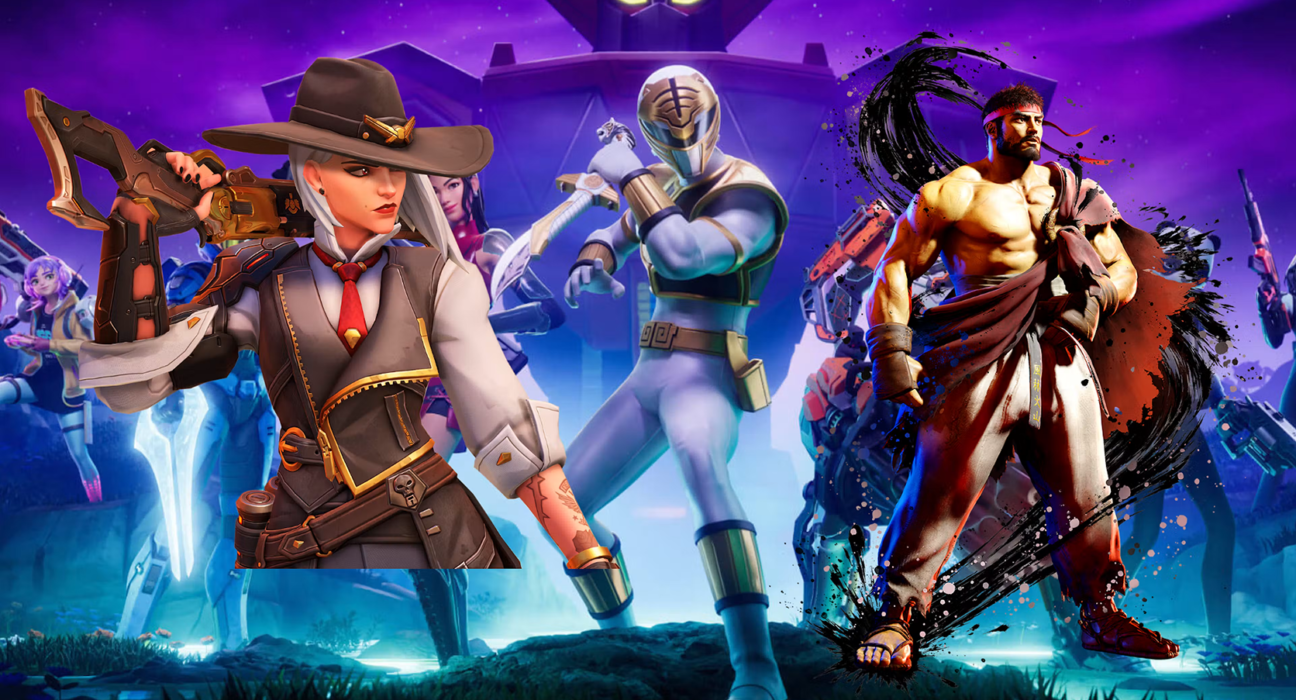
You finish a match, return to the lobby and notice something new.
Your next reward is only a few levels away. A limited-time skin is waiting further down the progression track. There are challenges to complete, rewards to unlock and a season that will eventually end.
Suddenly, one more match feels worthwhile.
This is the appeal of the modern battle pass.
Once associated primarily with certain competitive and live-service games, battle passes have become a familiar way for games to organise rewards, introduce seasonal content and generate revenue.
But they are more than digital reward tracks.
They sit at the intersection of game design, player motivation and business strategy, changing how players experience progression and how developers plan content.
1. What Exactly Is a Battle Pass?
A battle pass is a progression-based reward system in which players unlock items or benefits by earning progress, often through gameplay challenges or experience points.
Most battle passes operate over a limited season.
A typical structure may include:
- A progression track with multiple reward levels.
- Challenges that award experience or progress.
- Cosmetic items, currency or other in-game rewards.
- A free reward track.
- A paid upgrade offering additional rewards.
- A defined season or progression period.
The exact structure varies.
Some games reward players for completing missions. Others award progress through ordinary matches, special events or a combination of activities.
Not every battle pass requires payment. Some offer meaningful free rewards while reserving additional items for paying players.
The defining idea is that rewards are connected to progression through a structured system.
2. Why Battle Passes Became Attractive to Game Publishers
Traditionally, many games generated most of their revenue from the initial purchase.
A player bought a game, completed it and moved on.
That model still exists, but many modern games operate differently. Live-service titles aim to maintain an active player community over extended periods.
They may release updates, seasonal events, new maps, characters, cosmetic items and gameplay changes.
That continuing development creates ongoing costs.
A battle pass can provide a recurring revenue opportunity while giving players a reason to return.
Instead of relying entirely on individual item purchases, a publisher can package selected rewards into a seasonal offering.
For players, the proposition is straightforward: pay once for access to a collection of rewards and earn them through progression.
For publishers, the system can support more predictable seasonal monetization, although revenue is never guaranteed.
Its effectiveness depends on the size of the active audience, the perceived value of rewards, pricing and player satisfaction.
3. The Psychology of Watching a Progress Bar Move
One reason battle passes can feel compelling is that they make progress visible.
A player may not remember every match, but they can see a level increase, a completed challenge or a reward moving closer.
This creates a clear connection between effort and outcome.
Several psychological principles help explain the appeal.
Visible progress creates motivation
A progression bar turns an abstract goal into something measurable.
Instead of simply playing another match, a player is working toward a specific milestone.
The reward provides a tangible marker of progress.
Short-term goals support long-term engagement
A season might contain a large collection of rewards, but the journey is divided into smaller steps.
Daily challenges, weekly missions and intermediate milestones can make a lengthy progression system feel more manageable.
Rewards create anticipation
A desirable cosmetic item several levels away can give players a reason to continue.
The perceived value of the next reward may influence whether someone decides to play again.
These mechanics are not inherently harmful. Progression, challenges and rewards are longstanding parts of game design.
The experience becomes more questionable when pressure, excessive grinding or fear of missing out replaces enjoyment.
4. Why Battle Passes Have Seasons
The seasonal structure solves a design challenge: how does a game make its reward system feel fresh?
A permanent progression track can become familiar over time.
Seasons offer an opportunity to introduce new themes, cosmetic collections, challenges and events.
A new season can also give returning players a natural re-entry point.
For game teams, seasonal planning creates a production rhythm.
Content can be organised around release dates, promotional campaigns and player expectations.
This rhythm may involve:
- Designing new rewards.
- Preparing challenges and progression requirements.
- Updating the game’s interface.
- Coordinating marketing and community announcements.
- Monitoring player feedback.
- Planning future seasonal content.
The calendar becomes part of the product itself.
However, frequent seasons also create production pressure. If players expect fresh content continuously, developers can face difficult demands on staffing, creative quality and release schedules.
5. Free vs Paid Battle Passes: What’s the Difference?
Many games use different reward tracks or access levels.
| Feature | Free track | Paid track |
|---|---|---|
| Access | Often available to everyone | Requires purchase or eligible access |
| Rewards | Selected items or bonuses | Additional or premium rewards |
| Progression | May share the same system | Often uses the same progression |
| Value proposition | Participation without payment | More rewards for a price |
The difference is not always this simple.
Some games offer multiple premium tiers, bundles, premium currency or subscription-linked benefits.
Others change their systems between seasons.
For consumers, the most important question is not whether a paid track contains more items.
It is whether those items are worth the actual price and the time required to unlock them.
A long reward list can look impressive while containing very few items the player genuinely wants.
6. The Hidden Economics of Time
A battle pass is not priced only in money.
It can also demand time.
A player may need to complete challenges, play a certain number of matches or accumulate experience before the season ends.
That creates an important distinction between the purchase price and the total cost of participation.
Consider two hypothetical passes.
Pass A costs less but requires extensive grinding to unlock the most attractive rewards.
Pass B costs more but offers a progression system that better matches a player’s available time.
The cheaper option may not necessarily deliver better value.
The reverse can also be true.
Some players enjoy long progression systems because they provide meaningful goals. Others find the same structure exhausting.
The ideal design depends partly on whether progression complements the game’s entertainment value or begins to compete with it.
A game should be enjoyable even when a player decides not to chase every reward.
7. The Fear of Missing Out: When Seasons Become Pressure
Limited-time rewards can make an offer feel special.
A seasonal cosmetic item may become associated with a particular period in a game’s history.
That exclusivity can be attractive to collectors and dedicated fans.
But the same mechanism can create anxiety.
If rewards disappear when a season ends, players may feel compelled to keep playing even when they would rather stop.
This is commonly associated with fear of missing out, or FOMO.
It can be intensified by:
- Countdown timers.
- Limited-time reward announcements.
- Daily challenge resets.
- Long progression tracks.
- Exclusive cosmetics.
- Progress that feels wasted if the season expires.
Not every limited-time event creates unhealthy pressure. Time-limited content can also make shared experiences exciting.
The difference lies in the design.
Transparent timelines, achievable progression and reasonable reward structures give players more control over their experience.
Systems that deliberately make players feel punished for taking breaks can damage trust.
8. Why Cosmetics Work So Well in Battle Passes
Many battle passes focus on cosmetic rewards rather than direct gameplay advantages.
These may include outfits, character skins, emotes, weapon appearances, banners or visual effects.
Cosmetics have an interesting commercial advantage.
They can offer players a sense of personal expression without necessarily changing competitive balance.
In multiplayer games, appearance can also become part of identity.
A particular outfit may communicate a player’s preferences, achievements or attachment to a game.
Some cosmetics gain meaning because of when they were earned or which event introduced them.
This helps explain why a purely visual item can feel valuable even when it has no functional advantage.
Still, cosmetic value is subjective.
An elaborate skin that excites one player may mean very little to another.
The strongest reward systems recognise that different players value different forms of expression.
9. How Developers Can Tell Whether a Battle Pass Is Working
A battle pass can generate purchases and still be a poor experience.
Revenue is only one part of the evaluation.
Developers may examine several measures:
| Metric | What it helps evaluate |
|---|---|
| Pass purchase rate | How many eligible players buy it |
| Progression completion | Whether players can reasonably finish |
| Reward engagement | Which rewards attract attention |
| Player retention | Whether people continue playing |
| Player sentiment | How the community responds |
| Refunds and complaints | Whether expectations are being met |
These metrics need context.
A high completion rate might indicate an engaging progression system, but it could also reflect unusually intensive play.
Strong purchases in one season do not automatically establish long-term player satisfaction.
Developers should also examine differences between casual and highly active players.
A reward system balanced around the most dedicated audience can unintentionally exclude people who have limited time.
The better question is whether the pass creates sustainable value for both the business and its players.
10. What Players Should Check Before Buying a Battle Pass
Before purchasing a pass, consider a few practical questions.
1. Do you actually want the rewards?
Count the items you genuinely like rather than judging the pass by its total reward number.
2. How much time will progression require?
Look at the challenge structure and remaining season duration.
3. What happens if you do not finish?
Check whether unfinished rewards expire, carry over or remain accessible under the game’s current rules.
4. Is premium currency included?
Some passes return currency through progression. Verify the exact amount, how it is earned and whether it can be used for future purchases.
5. Are there recurring costs?
A battle pass may be a one-time seasonal purchase, but subscriptions, bundles or other add-ons can change the overall spending picture.
6. Would you still play without the rewards?
This is perhaps the most revealing question.
If the game is enjoyable without chasing the progression track, the pass can remain an optional extra rather than becoming the reason to play.
The Bigger Picture: Games Are Designing Reasons to Return
Battle passes reveal a broader shift in gaming.
Modern game experiences increasingly extend beyond individual sessions. They are built around ongoing worlds, recurring content and relationships with active communities.
The battle pass gives that continuity a structure.
It connects the player’s time to a reward system and the developer’s content calendar to a commercial model.
When thoughtfully designed, it can create satisfying goals, support ongoing development and give players new ways to personalise their experience.
When poorly designed, it can turn leisure into obligation.
The distinction matters because players are not simply purchasing digital items. They are investing their attention.
A great battle pass should reward the time players enjoy spending in a game, not make them regret the time they cannot.