





You Tap Your Phone to Pay. But What Actually Happens to Your Money?
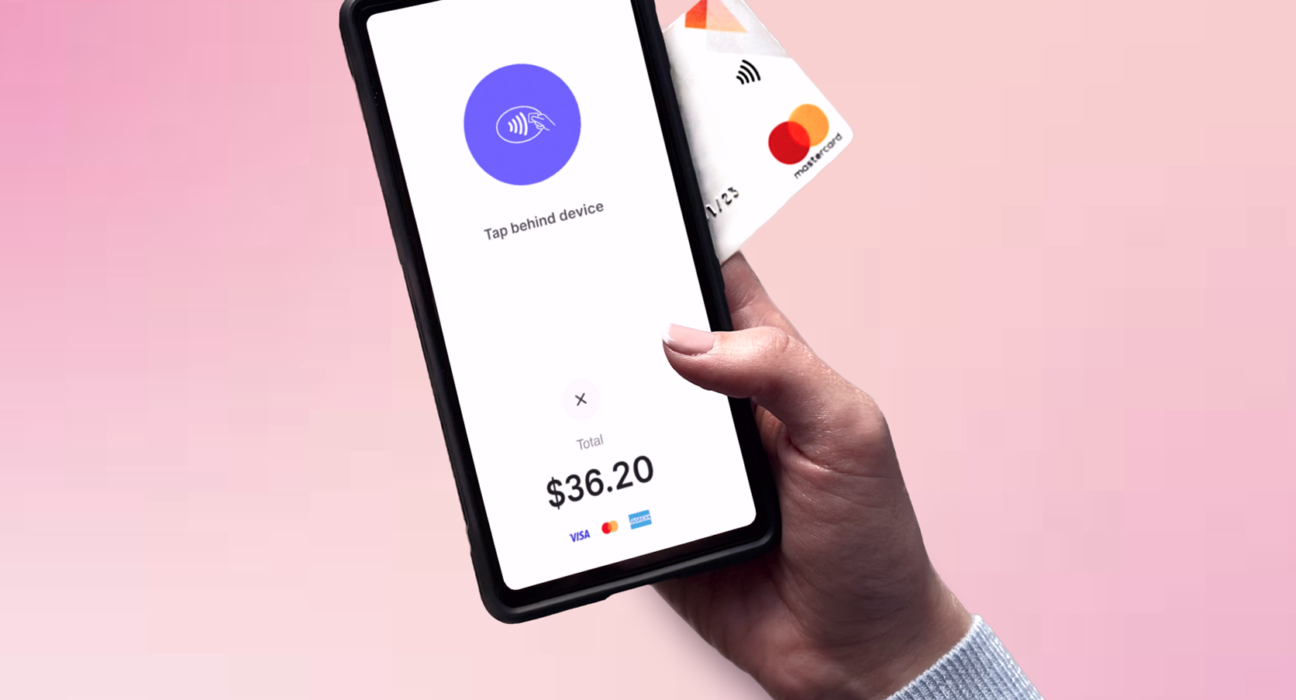
A quick tap at a checkout counter can complete a payment in seconds.
There is no need to pull out a physical card, count cash or manually enter payment details. You simply unlock your phone, approve the payment and move on.
Digital wallets have made this experience increasingly familiar. They are used for shopping, travel, subscriptions and everyday purchases, changing how people interact with money.
But a payment that feels almost effortless involves several systems working together: your device, payment credentials, security checks, payment networks and financial institutions.
So, what actually happens when you pay with a digital wallet?
What Is a Digital Wallet?
A digital wallet is a service or application that allows users to store, manage or access digital payment credentials and other items.
Depending on the wallet, these may include:
- Payment cards
- Bank account payment options
- Transit passes
- Loyalty cards
- Tickets and boarding passes
- Digital identification credentials, where supported
Not every digital wallet supports every feature.
Some wallets are primarily designed for in-store contactless payments, while others focus on online checkout, peer-to-peer transfers or bank-linked payments.
A digital wallet is also not necessarily a bank account. It may simply provide an interface for using an existing payment method.
How Does a Digital Wallet Payment Work?
The process depends on how you pay.
A contactless phone payment and an online wallet checkout may look similar to the user, but their technical steps can differ.
1. You Add a Payment Method
When you add a card to a compatible wallet, the wallet provider and relevant payment partners may verify your details.
Depending on the card issuer and wallet, verification could involve an authentication prompt, one-time password or another approval method.
The wallet then provisions the payment credential needed for supported transactions.
In many card-based wallets, the payment credential is a token rather than simply a copy of your original card number.
2. You Initiate the Payment
For an in-store purchase, you may bring your phone close to a contactless payment terminal.
Many mobile wallet transactions use Near Field Communication (NFC), a short-range wireless communication technology.
For online purchases, you might select a wallet button at checkout and approve the transaction through your device or account.
The payment method and authorization process depend on the wallet and merchant integration.
3. Your Device Authorizes the Transaction
The wallet may require authentication through a fingerprint, face recognition, device passcode or another supported method.
Some transactions may follow different authentication rules depending on the device, settings and payment circumstances.
This step helps protect against unauthorized use, but it does not replace every other security measure.
4. Payment Information Is Transmitted
In many tokenized card transactions, the device or wallet sends a payment token and transaction-related security information to the payment terminal or payment system.
The original card number may not be directly shared with the merchant in the same way as a conventional card transaction.
However, the precise information exchanged depends on the wallet, payment method and transaction type.
5. The Payment Is Authorized
The merchant’s payment system sends the transaction through its payment processor and relevant payment network or banking infrastructure.
The appropriate issuer or payment institution evaluates the transaction.
Authorization can involve factors such as:
- Available funds or credit
- Card status
- Fraud checks
- Transaction limits
- Authentication results
- Risk assessment rules
The payment may be approved or declined.
6. The Merchant Receives Confirmation
If the transaction is approved, the merchant typically receives an authorization response and completes the checkout process.
The actual movement and settlement of funds may happen later.
Important distinction: A payment authorization is not always the same thing as final settlement. The money movement process depends on the payment system and transaction type.
What Is Tokenization, and Why Does It Matter?
One of the important technologies behind many digital wallet card payments is tokenization.
Tokenization replaces sensitive payment information, such as a primary account number, with a substitute value called a payment token.
That token can be designed for use within particular devices, merchants, payment environments or other defined contexts.
The purpose is to reduce exposure of the original payment credentials.
For example, a merchant processing a supported tokenized transaction may receive a token instead of the customer’s actual card number.
This can help reduce certain risks associated with storing or handling sensitive card information.
However, tokenization is not a guarantee against fraud.
A secure payment ecosystem still requires strong authentication, protected systems, monitoring and responsible handling of transaction data.
Digital Wallets vs. Physical Cards
Both digital wallets and physical cards can provide convenient access to payment accounts.
But the payment experience and security features may differ.
| Feature | Digital Wallet | Physical Card |
|---|---|---|
| Payment method | Compatible device or online wallet | Physical payment card |
| Authentication | May include device authentication | May use PIN, signature or contactless rules |
| Credential handling | May use tokenized credentials | Depends on card and transaction method |
| Device dependency | Requires compatible device for phone payments | Does not require a smartphone |
| Backup options | Depends on wallet and payment setup | Can work independently of phone battery |
Neither option is universally better in every situation.
Digital wallets can add useful security layers and convenience, while physical cards remain valuable when a phone is unavailable or unsupported.
Keeping a suitable backup payment method can be practical when traveling or during device problems.
Are Digital Wallets Safe?
Digital wallets can offer meaningful security advantages, but their safety depends on implementation and user behavior.
Device Authentication
Many wallets use the device’s security mechanisms to authorize payments.
A properly configured screen lock can make unauthorized access more difficult.
Users should avoid weak passcodes and keep their devices updated.
Tokenized Credentials
Where supported, tokenization can reduce the need to expose the original card number during payment.
This may limit certain forms of credential exposure.
Fraud Monitoring
Payment institutions and wallet ecosystems may use transaction monitoring and risk-based security checks.
These systems can help identify suspicious activity, but no detection system catches every fraudulent transaction.
Remote Device Controls
Some device ecosystems allow users to lock or erase a lost device remotely.
If your phone is missing, use the official device security tools and contact your payment provider or card issuer promptly if payment credentials may be at risk.
You may also be able to suspend a wallet credential without cancelling the underlying bank account or every other payment method.
The available options vary.
What Happens If Your Phone Battery Dies?
This is one of the most practical limitations of phone-based payments.
If your device runs out of battery, you may lose access to the wallet.
Some devices and payment configurations support limited power-reserve or special transit features, but these capabilities are not universal.
A digital wallet should not be your only payment option in every situation.
When traveling, consider carrying a physical card or another suitable backup.
This is especially useful in places where digital payment acceptance, connectivity or device compatibility may vary.
Digital Wallets Are Not All the Same
The term digital wallet covers several different payment experiences.
Device-based wallets
These wallets allow compatible phones, watches or other devices to make supported payments.
They often integrate with device security features and contactless technology.
Online checkout wallets
These allow customers to pay on websites or apps without repeatedly entering payment information.
Depending on the service, the wallet may use saved cards, tokens or other payment arrangements.
Bank-linked payment apps
Some payment applications facilitate transfers or merchant payments directly through supported banking infrastructure.
In India, for example, UPI-based payment apps provide a different payment experience from traditional card wallets.
A UPI payment app should not automatically be treated as a stored-value wallet. The underlying payment mechanism matters.
Stored-value wallets
Some wallets hold a monetary balance that can be used for eligible transactions.
Rules concerning balances, transfers, identification and withdrawals depend on the product and applicable regulations.
Understanding which type of wallet you are using helps clarify how your payments actually work.
Why Digital Wallets Matter for Businesses
Digital wallets are not just a consumer convenience. They also influence how businesses design checkout experiences.
Faster Checkout Experiences
Customers may complete purchases without manually entering card details each time.
A smoother checkout can reduce unnecessary friction, although it does not automatically guarantee better conversion rates.
Mobile Commerce
As shopping increasingly takes place on phones, wallet integrations can simplify the payment experience.
This is especially relevant for businesses with mobile-first customers.
Potentially Better Credential Security
Supported tokenized payment flows can reduce direct exposure to original card credentials.
However, merchants still need appropriate payment security practices and compliance controls.
New Customer Expectations
When customers become familiar with quick authentication and simplified checkout, they may expect similar convenience elsewhere.
Businesses therefore need to consider payment experience as part of the broader customer journey.
How to Use Digital Wallets More Safely
A few sensible practices can improve your payment security.
- Download trusted wallet applications. Use official app stores and verify the publisher.
- Secure your device. Use a strong screen lock and available biometric protections.
- Enable transaction alerts. Notifications can help you notice unfamiliar activity.
- Review payment history. Check transactions regularly and report unauthorized payments promptly.
- Avoid sharing authentication codes. Never disclose one-time passwords or wallet verification codes to unsolicited callers or messages.
- Keep software updated. Install operating system and wallet security updates.
- Know your recovery options. Understand how to suspend payment credentials and regain account access.
If you notice an unauthorized transaction, contact your payment provider immediately and follow its dispute or reporting procedure.
The Future of Digital Payments
Digital wallets are evolving beyond simply replacing cards.
Payment experiences are increasingly integrating identity verification, transit access, loyalty programs and other digital credentials.
Payment tokenization, biometric authentication and improved interoperability may continue to shape the industry.
At the same time, digital payments raise important questions about privacy, accessibility, competition and dependence on devices.
A payment method should be convenient without making users feel that they have lost control over their financial information.
The future of digital payments will depend not only on faster transactions, but also on trust.
Final Thoughts
A phone payment may take only a moment, but it relies on a sophisticated system of credentials, authentication, communication and financial authorization.
Digital wallets make that complexity largely invisible.
Their value lies in combining convenience with security features that can help protect payment information when properly implemented.
For consumers, the smartest approach is to understand the wallet they use, secure their devices and maintain sensible backup options.
The next time you tap your phone to pay, remember: the gesture is simple because the technology behind it does the complicated work.
Financial disclaimer: This article is for general informational and educational purposes only. Digital wallet features, fees, consumer protections and payment rules vary by provider, country and transaction type. Check your wallet provider’s and financial institution’s official terms for details.