Why We Add Things to Online Wishlists but Never Buy Them
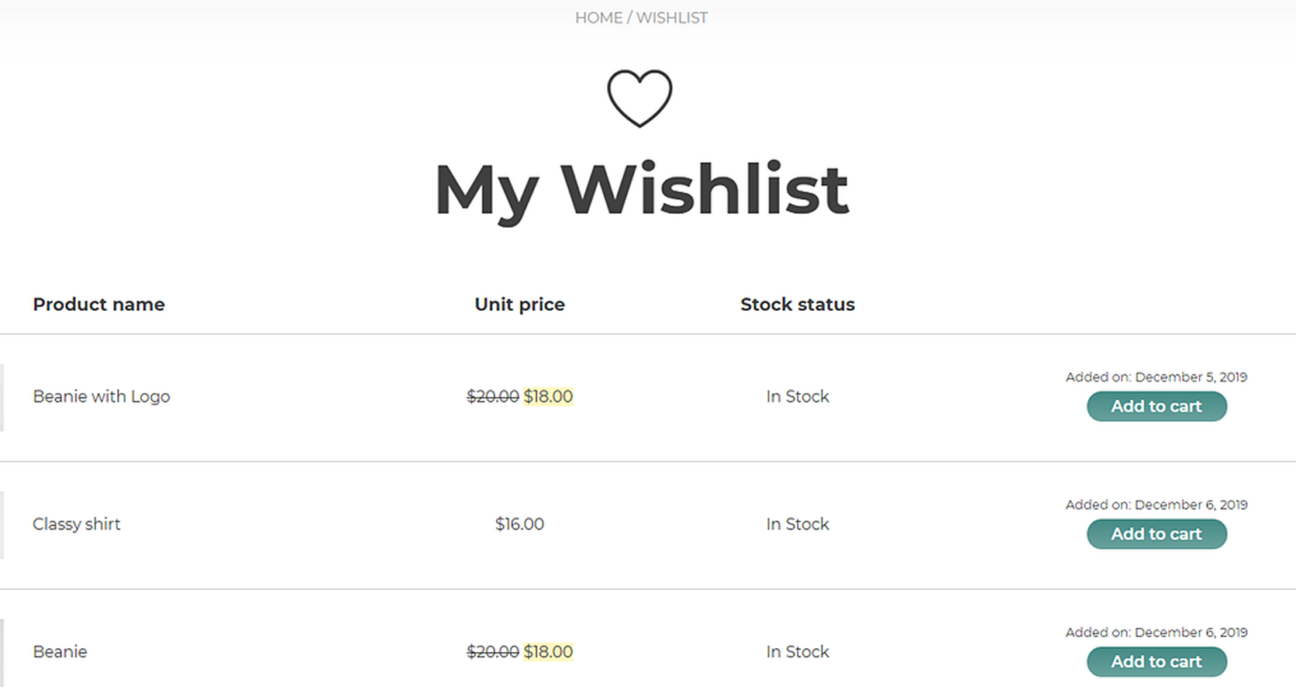
There is a particular kind of online shopping that never reaches checkout.
You see a jacket you like. You save it. A pair of headphones catches your attention, so you add those too. Maybe you bookmark a desk lamp, a watch or a pair of sneakers you have absolutely no immediate need for.
Your wishlist keeps growing.
Your shopping cart, however, remains suspiciously empty.
At first glance, this looks like indecision. But saving something without buying it can reveal something more interesting about how we shop, how we think about money and why wanting something can sometimes feel more rewarding than owning it.
Online wishlists have quietly become more than shopping tools. They are places where desire, imagination, planning and temptation meet.
The Pleasure of Wanting Something
Buying something gives you a clear outcome. You pay, complete the transaction and wait for the delivery.
Wanting something is different.
Before a purchase, your imagination gets room to work. You picture how a new outfit might look, how a gadget could improve your routine or how a piece of furniture might transform your room.
The product becomes connected to a possible version of your life.
A wishlist allows you to hold on to that possibility without committing money to it.
This does not mean every saved product carries deep emotional meaning. Sometimes you simply want to remember a price or compare options later. But in other cases, the appeal is not entirely about the object itself.
It is about what you imagine the object might add to your life.
A Wishlist Is a Shopping Cart Without the Pressure
A shopping cart often signals that a decision is approaching.
You may need to choose a payment method, check delivery charges, enter an address or decide whether the total is worth it.
A wishlist removes much of that immediate pressure.
The wishlist
“I like this. Maybe later.”
A low-commitment space for collecting options, keeping track of products and exploring possibilities.
The checkout
“Am I actually buying this?”
A decision point where price, delivery costs, payment and practical considerations become harder to ignore.
That difference matters.
People can enjoy discovering products without being ready to spend. A wishlist gives them somewhere to put that interest.
For retailers, this also means that a saved product should not automatically be treated as a guaranteed future sale. Interest and purchase intent are not the same thing.
We Shop for Our Future Selves
Some purchases are practical. Others are aspirational.
You might save running shoes because you want to start exercising regularly. You might bookmark a camera because you imagine taking better photographs. You might collect office accessories while imagining a more organised workspace.
In these situations, the product represents more than its features.
It represents a goal.
Psychologists study related ideas through concepts such as possible selves: the versions of ourselves we imagine becoming. A wishlist can become a small collection of those imagined futures.
Of course, saving running shoes does not mean you will start running. But it can be satisfying to explore the idea of becoming someone who does.
This is one reason a wishlist can contain products that do not fit your present lifestyle at all.
You are not always shopping for who you are today.
Sometimes, you are shopping for who you hope to become.
Saving a Product Can Feel Like Making Progress
Modern online shopping makes collecting products remarkably easy.
A single tap can save something for later. There is no immediate financial commitment and often very little effort involved.
That small action can create a feeling of progress.
You have discovered an option. You have organised an idea. You have made a decision, even if it is only the decision to consider the product.
This is where wishlists become particularly interesting.
The action of saving something can provide a sense of completion without resolving the bigger question: Do you actually need it?
The list grows, and with it, the impression that you are moving towards something.
Yet sometimes, the only thing that has changed is the number of products you have saved.
The Wishlist Is Also a Personal Mood Board
Not every wishlist is a serious shopping plan.
Some are visual collections of taste.
Think about the different products people save: minimalist furniture, colourful sneakers, luxury watches, travel accessories, skincare products or unusual kitchen gadgets.
Together, these choices can resemble a mood board.
A wishlist can reflect:
- The aesthetic you are drawn to.
- The lifestyle you find appealing.
- The brands you are curious about.
- The things you want to try someday.
- The version of your home, wardrobe or routine you imagine.
This is especially visible in categories where discovery is part of the experience, such as fashion, interiors, beauty and technology.
Sometimes, browsing is the activity. Buying is optional.
That distinction helps explain why a person can spend an enjoyable hour exploring products and finish the session without purchasing anything.
The experience may already have delivered what they wanted.
Why Some Products Stay Saved for Months
A saved product can remain in a wishlist long after the original excitement disappears.
There are several possible explanations.
1. The price is not quite right
You may genuinely like something but believe it is too expensive at its current price.
Saving it gives you a reference point for a future decision.
2. You are comparing alternatives
A wishlist can act as a research folder. You might save three similar products before comparing their specifications, reviews, sizes or warranties.
3. The urgency was temporary
An item that looked irresistible during late-night browsing may seem much less important the following morning.
4. Your priorities changed
You may have saved something before an unexpected expense, a change in routine or a different need altered your plans.
5. You simply forgot
Sometimes there is no complicated psychological explanation. The product disappeared into a digital collection that you rarely revisit.
Not every abandoned wishlist item represents an emotional struggle. Sometimes it is just a forgotten bookmark with better photography.
What Wishlists Mean for Online Retailers
For businesses, wishlists can reveal useful signals about customer interest.
They can help retailers understand which products attract attention, which categories generate consideration and which items shoppers may want to revisit.
But interpreting that information requires care.
A saved product is not equivalent to a completed purchase, and a large wishlist does not necessarily indicate strong demand.
A retailer might use wishlist activity to support features such as:
- Price-drop notifications.
- Back-in-stock alerts.
- Product comparisons.
- Gift lists and shared collections.
- Reminders for previously saved products.
These features can make shopping more convenient when they are relevant and transparent.
However, they can also turn a quiet collection of saved ideas into a steady stream of marketing messages.
The difference between useful personalisation and unwanted pressure often comes down to how much control the shopper retains.
A wishlist should help customers make decisions, not make them feel obligated to finish them.
When a Wishlist Becomes a Spending Trap
Wishlists can be useful. But they can also encourage unnecessary spending when combined with aggressive promotions or constant reminders.
Consider a familiar scenario.
You save a product without planning to buy it. Days later, a notification announces that the item is discounted.
The discount creates a new reason to reconsider something that was never essential in the first place.
A limited-time offer can make waiting feel risky. A countdown timer can add urgency. Repeated reminders can keep the product at the front of your mind.
Some promotions are legitimate. Others may use pressure tactics that deserve scrutiny.
The important question is not whether you saved the product.
It is whether the product still makes sense for you.
A simple way to use wishlists more intentionally
Try treating your wishlist as a waiting room rather than a shopping instruction.
Before buying a saved product, ask yourself:
- Would I still want this without the discount?
- Do I have a real use for it?
- Does it fit my budget after essential expenses and savings?
- Would I choose this over something else I already own?
- Have I wanted it consistently, or only when I saw it advertised?
You do not need a complicated system.
Even a short pause can help separate genuine interest from temporary excitement.
You can also periodically remove items that no longer reflect your needs. A wishlist does not need to become a museum of everything you once considered buying.
The Most Interesting Thing About a Wishlist
Traditional shopping is often measured by what people purchase.
Wishlists reveal another side of consumer behaviour: what people notice, imagine, consider and eventually decide against.
That space between discovery and purchase is important.
It is where budgets meet aspirations, where curiosity meets practical reality and where a passing interest can either become a meaningful purchase or disappear completely.
And perhaps that is why wishlists feel so familiar.
They are not just lists of products.
They are collections of possibilities.
Final Takeaway
The next time you open your wishlist and find something you saved months ago, do not automatically treat it as unfinished shopping.
Maybe you still want it. Maybe you have outgrown the idea. Or perhaps saving it was enough.
In a digital world designed to make buying easier, there is something useful about having a place where you can want something without immediately owning it.
Not every desire needs to become a transaction.