How to Choose a Video Game You’ll Actually Enjoy

With thousands of video games available across PC, consoles, mobile devices and handheld systems, choosing what to play can be surprisingly difficult.
A game may have excellent reviews but still not be right for you. Another game may receive little attention but become one of your favorites.
The best way to choose a game is to look beyond ratings and popularity and consider what kind of experience you actually want.
Here is a simple guide to finding games that match your interests, time, budget and gaming style.
1. Start With the Type of Experience You Want
Before looking at specific games, think about what you want to experience.
Do you want something relaxing after work? Something competitive? A long story-driven adventure? Or a quick game you can play for 15 minutes?
Your answer immediately narrows down your options.
You might be looking for:
- A relaxing experience
- Competitive gameplay
- A strong story
- Exploration
- Strategy
- Fast action
- Puzzle solving
- Multiplayer interaction
- Creative building
- Horror and suspense
There is no universally “best” type of game. The right choice depends on what you enjoy.
2. Understand the Major Game Genres
Knowing the basic genres makes it easier to search for games.
Action
Action games usually focus on fast reactions, combat and movement.
Adventure
Adventure games often emphasize exploration, storytelling and discovering new environments.
Role-Playing Games
RPGs generally allow players to develop characters, make choices, complete quests and explore large worlds.
Strategy
Strategy games require planning, resource management and decision-making.
Simulation
Simulation games recreate activities or systems such as driving, farming, building or managing businesses.
Sports
Sports games simulate activities such as football, basketball, racing and other competitive sports.
Puzzle
Puzzle games focus on logic, problem-solving and pattern recognition.
Horror
Horror games are designed around suspense, fear, atmosphere and survival.
Platformers
Platformers typically involve movement, jumping and navigating challenging environments.
Many modern games combine several genres, so you do not have to limit yourself to one category.
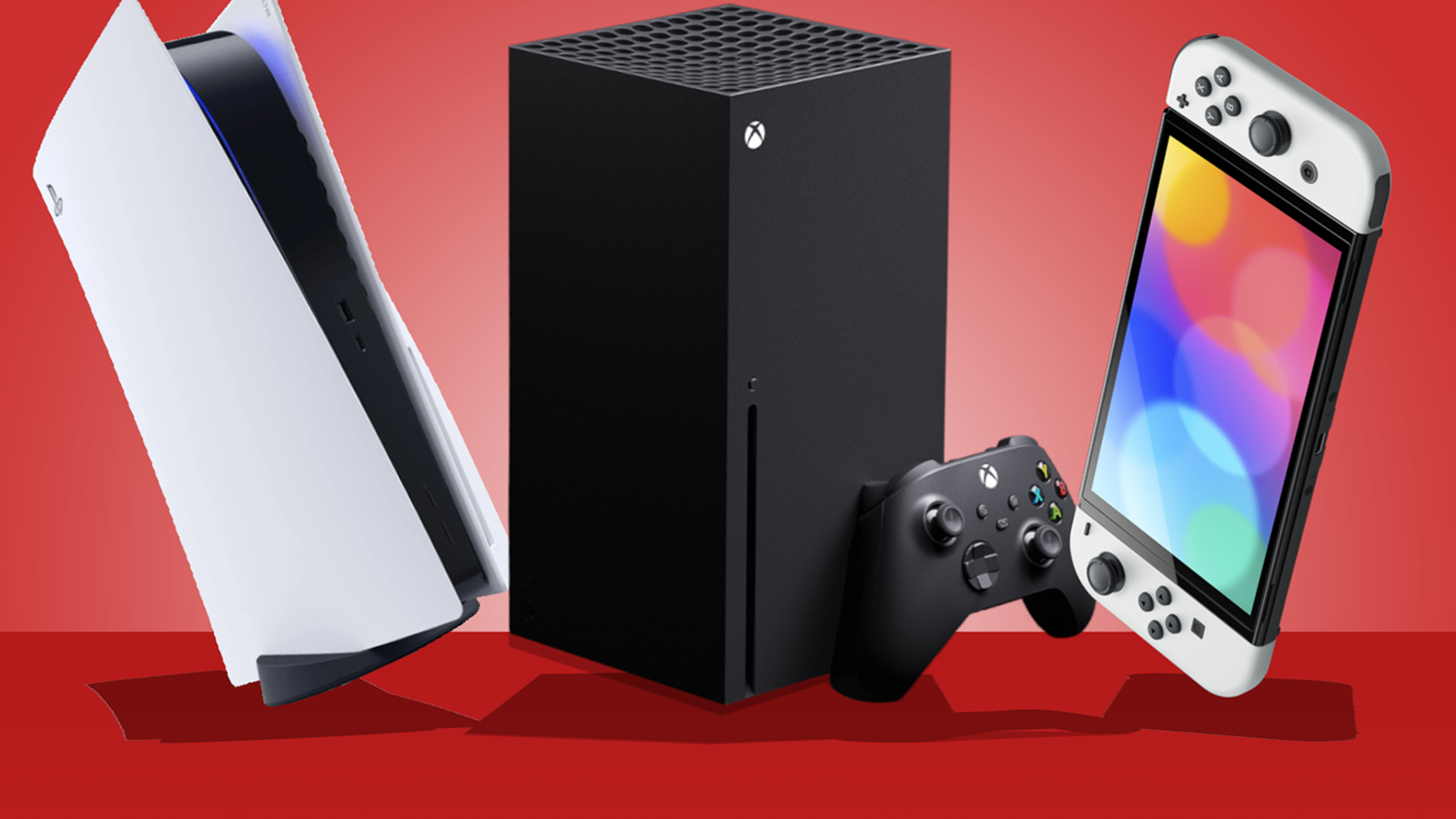
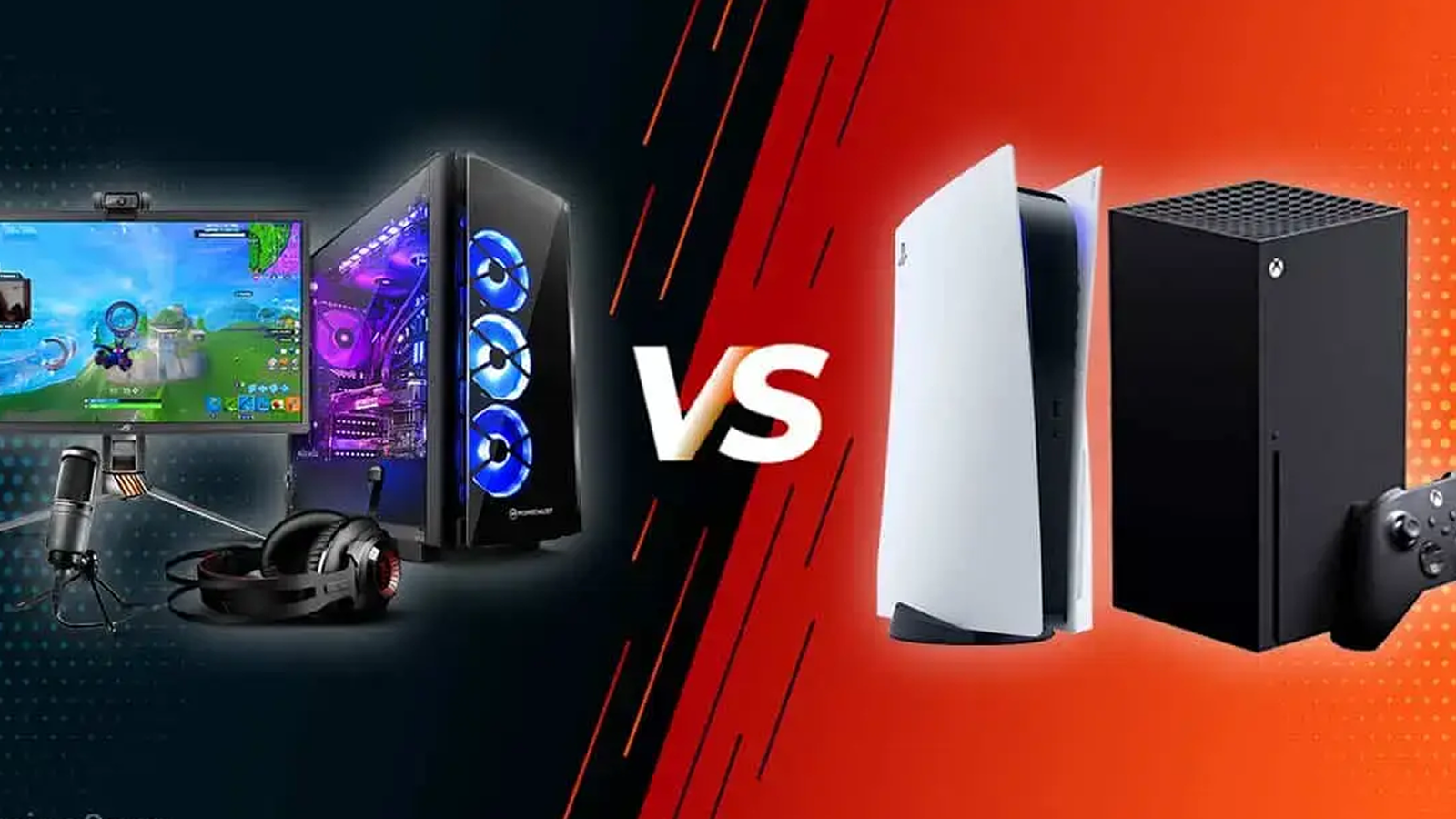
3. Choose Your Gaming Platform
Your available hardware is one of the most important factors.
Games may be available on:
- PC
- PlayStation
- Xbox
- Nintendo systems
- Steam Deck and other handheld PCs
- Smartphones and tablets
- Cloud gaming platforms
Some games are exclusive to particular platforms, while others are available across multiple systems.
Always check platform compatibility before buying.
4. Decide Whether You Want Single-Player or Multiplayer
Think about how you prefer to play.
Single-player games are ideal if you want to play at your own pace and focus on a story or personal progression.
Multiplayer games are better if you enjoy competing or cooperating with other players.
Some games offer both.
If you usually play alone, a multiplayer-focused game may not provide the experience you expect. Similarly, if your favorite part of gaming is playing with friends, a purely single-player experience may feel less engaging.
5. Consider How Much Time You Have
Your available time should influence your choice.
Some games can be enjoyed in short sessions, while others require dozens or even hundreds of hours.
If you have limited free time, consider games that allow you to:
- Save frequently
- Complete short missions
- Play in short sessions
- Pause easily
- Progress without long commitments
If you have plenty of time, larger games with expansive worlds may be more appealing.
6. Think About Difficulty
Difficulty is another important consideration.
Some players enjoy challenging games that require repeated attempts and precise skills.
Others prefer games that allow them to explore the world and enjoy the story without constant frustration.
Before choosing a game, check whether it offers:
- Multiple difficulty levels
- Adjustable settings
- Accessibility options
- Tutorials
- Practice modes
- Helpful progression systems
A difficult game is not automatically a better game. The ideal difficulty is the one that makes the experience enjoyable for you.
7. Look at Gameplay Before Graphics
Graphics are important, but they should not be your only consideration.
A visually impressive game can still become boring if its gameplay does not match your interests.
Before buying, ask:
- What do you actually do in the game?
- Is the gameplay repetitive?
- How much exploration is involved?
- Is combat a major part of it?
- Does it focus heavily on story?
- How long does a typical session last?
Gameplay determines how you will spend most of your time.
8. Check Reviews Carefully
Reviews can be useful, but do not rely on the overall score alone.
Read several opinions and look for repeated comments.
Pay attention to feedback about:
- Gameplay
- Story
- Performance
- Controls
- Difficulty
- Length
- Bugs
- Multiplayer experience
- Monetization
A game with a lower average score might still be perfect for you if the criticisms involve things you do not care about.
9. Watch Gameplay Instead of Only Trailers
Official trailers are designed to create excitement.
Actual gameplay footage can give you a better idea of what playing the game feels like.
Look for gameplay videos that show:
- Normal gameplay
- Combat
- Exploration
- Menus
- Character progression
- Multiplayer
- Typical missions
Try to watch enough footage to understand the gameplay loop rather than judging the game from a short cinematic trailer.
10. Check the System Requirements
For PC gaming, always check the system requirements before purchasing.
Compare your computer’s:
- Processor
- Graphics card
- RAM
- Storage
- Operating system
with the game’s requirements.
Meeting the minimum requirements does not necessarily mean you will get an ideal experience. Recommended specifications can provide a better indication of the hardware needed for smoother gameplay.
11. Consider the Game’s Length
Longer does not always mean better.
Some games provide an excellent experience in 8–15 hours, while others are designed to be played for dozens of hours.
Think about what you prefer.
If you enjoy completing games and moving to something new, shorter experiences may suit you.
If you like spending weeks or months in one world, a long-form game may be a better choice.
12. Decide Whether You Want an Open World
Open-world games provide freedom to explore large environments and often let you decide what to do next.
They can be great if you enjoy:
- Exploration
- Side missions
- Discovering hidden locations
- Collecting items
- Experimenting with gameplay
However, if you prefer a focused story and clear progression, a linear game may be more enjoyable.
13. Consider Your Friends’ Games
If you mainly want multiplayer games, your friends’ platforms and games matter.
Before purchasing a multiplayer title, check:
- Whether your friends play it
- Cross-platform support
- Multiplayer modes
- Maximum party size
- Online requirements
- Voice chat options
A multiplayer game becomes much more valuable when you have people you actually want to play with.
14. Think About Your Budget
Video game prices vary considerably.
Instead of looking only at the purchase price, consider the total cost.
Check whether the game includes:
- Paid expansions
- Downloadable content
- Cosmetic purchases
- Battle passes
- Subscription requirements
- Additional online costs
A cheaper game can sometimes become more expensive over time, while a premium game may include most of its content upfront.
15. Be Careful With Early Reviews
New games can receive significant attention immediately after launch.
However, early reviews may not always represent the long-term experience.
For online games especially, performance, balance and content can change after release.
If you are uncertain, waiting for additional player feedback can sometimes help you make a better decision.
16. Look for Games Similar to What You Already Enjoy
One of the easiest ways to find a new game is to start with games you already like.
Think about:
- What gameplay mechanics you enjoyed
- What type of story interested you
- Whether you preferred exploration or missions
- Whether you liked playing alone or with friends
- What difficulty level worked for you
Then search for games that share similar characteristics.
This approach is often more useful than simply looking at the most popular games.
17. Don’t Choose a Game Only Because It Is Popular
Popularity does not guarantee that you will enjoy something.
A highly popular competitive game may be a poor choice if you prefer relaxed single-player experiences.
Similarly, a critically acclaimed story-driven game may not appeal to someone who primarily enjoys fast multiplayer action.
Use popularity as one signal, not the final decision.
18. Try a Demo or Free Version When Available
If a game offers a demo, free trial or free-to-play version, take advantage of it.
Playing the game yourself can tell you much more than reading reviews.
You can evaluate:
- Controls
- Performance
- Visual style
- Gameplay
- Difficulty
- Overall feel
This is particularly useful when you are unsure whether a game’s gameplay matches your preferences.
19. Consider Accessibility Features
Accessibility options can make games more comfortable and enjoyable for a wider range of players.
Depending on the game, features may include:
- Subtitle controls
- Color options
- Remappable controls
- Difficulty adjustments
- Text size controls
- Audio adjustments
- Aim assistance
- Reduced motion settings
Check the available options before purchasing if accessibility is important to your gaming experience.
20. Give Yourself Permission to Stop Playing
Buying a game does not mean you have to finish it.
Sometimes a game simply does not match your interests.
If you have given it a reasonable chance and you are no longer enjoying it, moving to another game is perfectly fine.
Your gaming time should be enjoyable, not another obligation.
A Simple Game-Choosing Checklist
Before buying a game, ask yourself:
- What type of experience do I want?
- What genre do I enjoy?
- Which platform will I play on?
- Do I want single-player or multiplayer?
- How much time do I have?
- What difficulty do I prefer?
- Do I care about story?
- Do I enjoy open-world games?
- What does the gameplay actually look like?
- Does my hardware support it?
- How long is the game?
- What do players say about it?
- Are there additional costs?
- Is there a demo or trial?
- Does it offer the features I need?
If the answers match your preferences, you are much more likely to enjoy the game.
Final Thoughts
Choosing a video game is less about finding the game with the highest rating and more about finding the game that fits you.
Think about the experience you want, the amount of time you have, your preferred genre, your platform and your budget. Then use reviews and gameplay footage to confirm that the game matches those expectations.
There are thousands of great games available, but you do not need to play all of them.
You only need to find the ones that are right for you.