How to Organize Your Home: 20 Simple Tips That Work
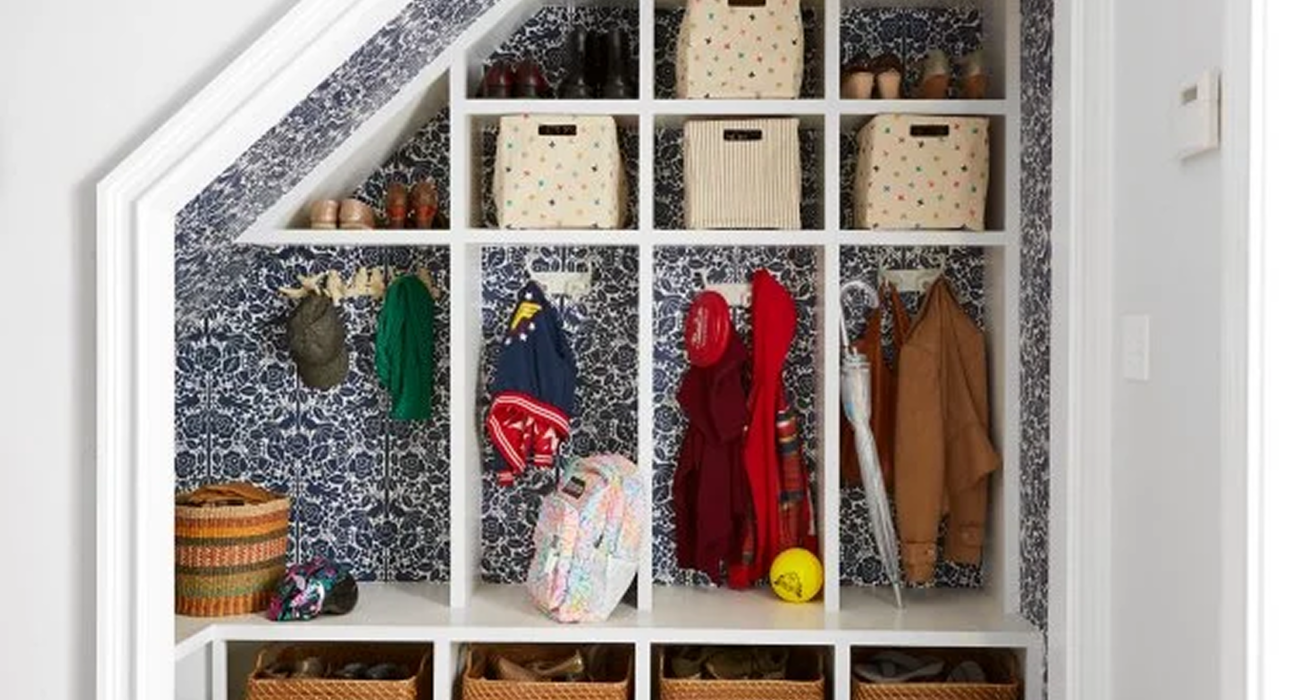
A well-organized home is not necessarily a home with the most storage space. It is a home where everything has a logical place and is easy to find when you need it.
Whether you live in a small apartment, a family house or a shared space, better organization can make everyday life easier.
You do not need to organize your entire home in one day. Start with one area, remove what you no longer need and create simple systems that are easy to maintain.
Here are 20 practical ways to organize your home.
1. Start With One Room
Trying to organize the entire house at once can quickly become overwhelming.
Choose one room or area and finish it before moving to another.
Good places to start include:
- Bedroom
- Kitchen
- Bathroom
- Living room
- Home office
- Entryway
- Storage area
Completing one space gives you a clear sense of progress and makes it easier to continue.
2. Declutter Before Organizing
Buying storage containers before removing unnecessary items often creates more clutter.
First decide what you actually need.
Separate your belongings into four groups:
- Keep
- Donate
- Sell
- Discard
Once unnecessary items are removed, organizing the remaining belongings becomes much easier.
3. Give Everything a Home
One of the simplest organization rules is to give every frequently used item a specific place.
For example:
- Keys → key holder
- Shoes → shoe rack
- Important documents → document folder
- Chargers → electronics drawer
- Cleaning products → cleaning cupboard
When everything has a designated location, putting things away becomes easier.
4. Organize by Category
Instead of organizing only by room, organize similar items together.
For example, keep:
- Chargers together
- Office supplies together
- Medicines together
- Cleaning products together
- Travel accessories together
- Important documents together
This makes it easier to find what you need without searching through multiple areas.
5. Keep Frequently Used Items Accessible
The things you use every day should be easy to reach.
Items you use less often can go into higher cabinets, drawers or storage boxes.
Think about storage in three levels:
Daily use: Easily accessible.
Occasional use: Nearby but less accessible.
Rarely used: Higher, deeper or more remote storage.
This simple system can make everyday routines much easier.
6. Use Vertical Space
When floor space is limited, look upward.
You can use:
- Wall shelves
- Tall cabinets
- Hooks
- Over-door organizers
- Pegboards
- Vertical storage racks
Using wall space can increase storage without making the floor feel crowded.
7. Organize Your Entryway
The entrance of your home can quickly become cluttered.
Create simple storage for:
- Shoes
- Keys
- Bags
- Jackets
- Umbrellas
- Sunglasses
A small shoe rack and a designated place for keys can prevent everyday items from spreading throughout the house.
8. Keep Your Kitchen Counters Clear
Kitchen counters can easily become a collection of appliances and miscellaneous items.
Keep only the things you use regularly on the counter.
Store less frequently used appliances in cabinets or cupboards.
A clear counter makes the kitchen easier to clean and gives you more workspace.
9. Organize Your Refrigerator
A simple refrigerator organization system can reduce food waste.
Group similar items together and keep frequently used foods where they are easy to see.
For example:
- Drinks
- Dairy
- Fruits
- Vegetables
- Sauces
- Ready-to-eat foods
Regularly check expiration dates and move older items toward the front.
10. Create a Simple Clothing System
Your wardrobe becomes easier to manage when clothing has a logical structure.
You can organize clothes by:
- Type
- Season
- Frequency of use
- Color
For example, keep everyday clothes in easily accessible areas while storing seasonal items separately.
If you have not worn something in a long time, ask yourself whether you actually need to keep it.
11. Don’t Overfill Drawers
A drawer that is packed completely may technically contain everything, but it is not well organized if you cannot easily find anything.
Leave some space between items.
Use small dividers where appropriate for:
- Socks
- Underwear
- Accessories
- Cables
- Office supplies
The goal is to make the contents visible and accessible.
12. Create a Paperwork System
Important documents should not be scattered around your home.
Create separate folders for categories such as:
- Identification documents
- Financial records
- Insurance
- Property documents
- Medical records
- Education
- Work-related documents
Where possible, keep digital copies of important documents in a secure location as well.
13. Manage Cables and Electronics
Cables can quickly create visual clutter.
Keep frequently used chargers and cables together.
Use simple cable-management solutions such as:
- Cable ties
- Labels
- Cable boxes
- Small storage pouches
- Drawer organizers
Label cables if you have several that look similar.
14. Organize the Bathroom
Bathrooms often contain many small products.
Group items into categories such as:
- Skincare
- Hair care
- Oral care
- Cleaning supplies
- Towels
- Personal care products
Discard expired or unused products regularly.
Keep frequently used items within easy reach and less frequently used items in closed storage.
15. Use Storage Boxes Carefully
Storage boxes can be useful, but they should not become a place where everything gets hidden.
Label boxes according to their contents.
For example:
- Winter clothing
- Travel items
- Decorations
- Electronics
- Documents
- Hobby equipment
If you cannot remember what is inside a box, the system is not working particularly well.
16. Create a Donation Box
Keep one small box or bag specifically for items you no longer want.
Whenever you find something you no longer use, place it there.
Once the box is full, donate the appropriate items instead of allowing them to return to your storage.
This turns decluttering into an ongoing habit rather than a once-a-year project.
17. Use the One-In, One-Out Rule
For certain categories, consider using a simple rule:
When one new item comes in, one old item goes out.
This can work particularly well for:
- Clothes
- Shoes
- Kitchen equipment
- Books
- Bags
It prevents your collection from growing indefinitely.
18. Create a Daily Reset Routine
You do not need to spend hours cleaning and organizing every day.
A 10–15 minute reset can make a significant difference.
Before going to bed:
- Put items back in their places
- Clear the main surfaces
- Put away clothes
- Organize the kitchen
- Prepare items needed for the next morning
Starting the next day with an organized home can make your routine feel much easier.
19. Don’t Organize for Appearance Alone
A home can look perfectly organized while being difficult to use.
Your organization system should match how you actually live.
If you use something every day, it should be convenient to access.
If a storage system requires several steps every time you put something away, you may eventually stop using it.
Practical organization is more valuable than perfect-looking organization.
20. Review Your Home Regularly
Organization is an ongoing process.
Every few months, take some time to review your belongings.
Ask:
- Do I still use this?
- Do I have duplicates?
- Is this stored in the right place?
- Can I make this easier to access?
- Is this taking up space unnecessarily?
Small regular reviews can prevent clutter from becoming overwhelming again.
Room-by-Room Home Organization Checklist
| Room | Focus Areas |
|---|---|
| Bedroom | Clothes, shoes, bedside storage |
| Kitchen | Counters, cabinets, pantry, refrigerator |
| Bathroom | Toiletries, towels, personal care |
| Living Room | Books, electronics, surfaces |
| Home Office | Documents, stationery, cables |
| Entryway | Shoes, keys, bags, jackets |
| Storage Area | Boxes, seasonal items, rarely used belongings |
Common Home Organization Mistakes
Buying Too Many Organizers
Storage products can help, but they cannot solve a clutter problem by themselves.
Declutter first, then decide what storage you actually need.
Keeping Things Because They Might Be Useful
It is easy to keep things indefinitely because they might become useful someday.
If an item has not been used for years and has no meaningful purpose, consider whether the space it occupies is worth keeping it.
Creating Complicated Systems
The best organization system is usually the one you can maintain without thinking about it.
Keep systems simple.
Organizing Everything at Once
Large projects can quickly become exhausting.
Work in small sections and complete one area at a time.
How to Keep Your Home Organized
Getting organized is only half the process.
The bigger challenge is maintaining it.
A simple routine can help:
Daily: Put frequently used items back in place.
Weekly: Reset major areas and deal with accumulated clutter.
Monthly: Review drawers, cabinets and storage areas.
Seasonally: Rotate seasonal clothing and review rarely used items.
This prevents small amounts of clutter from becoming a major problem.
Final Thoughts
An organized home does not need to look like a showroom.
The goal is to create a space where you can easily find what you need, move around comfortably and maintain your belongings without unnecessary effort.
Start small. Remove things you no longer need, give important items a designated place and build simple systems around your everyday routines.
Once organization becomes part of your normal habits, keeping your home tidy becomes much easier.