Why Airports Want You to Spend Money Before You Fly
You arrive at the airport.
You check your bags.
You pass security.
Then you look at the clock.
Your flight isn’t for another two hours.
So you walk.
And suddenly you’re surrounded by coffee shops, restaurants, electronics stores, luxury brands, souvenirs and duty-free displays.
You weren’t planning to buy anything.
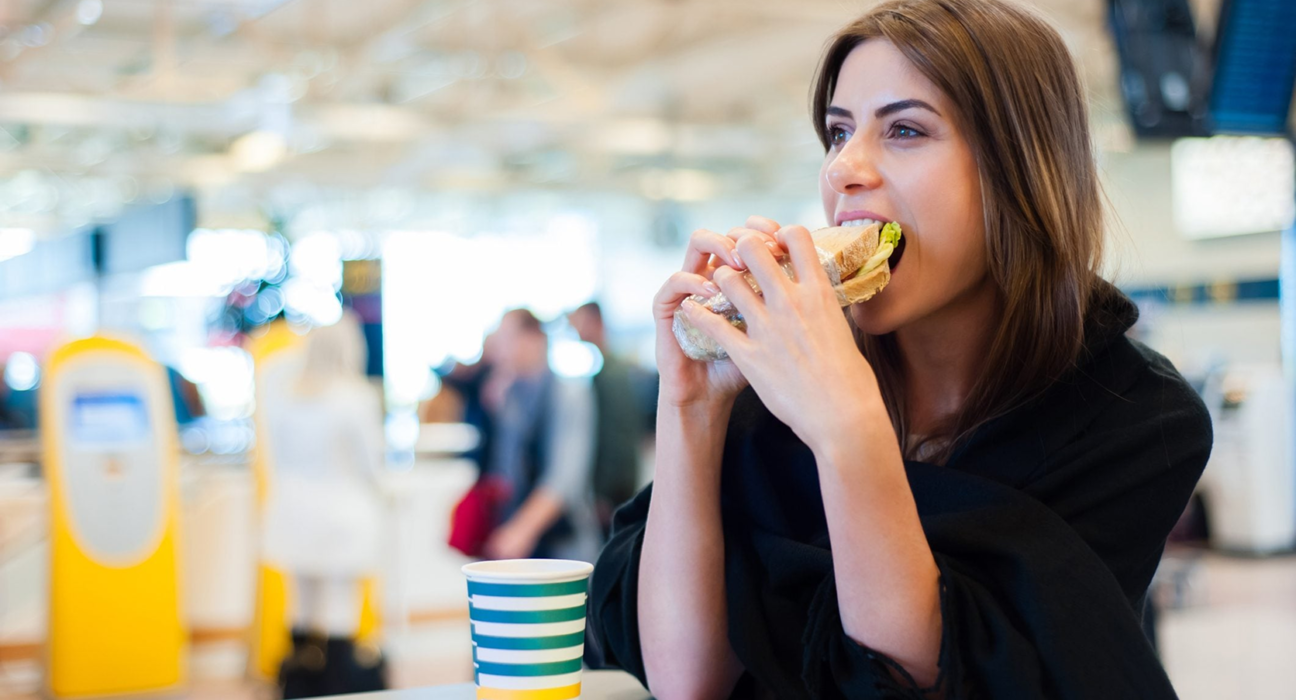
But somehow, you end up with a coffee, a sandwich and something you definitely didn’t need.
That’s not entirely accidental.
Modern airports aren’t simply transportation facilities.
They are also enormous commercial environments designed around one valuable resource:
your time.
An Airport Is More Than a Place to Catch a Flight
The obvious purpose of an airport is transportation.
You arrive.
You go through security.
You reach your gate.
You board a plane.
But from an airport’s business perspective, there is another opportunity.
Every passenger represents a potential customer.
Airports can generate revenue through areas such as:
- Retail
- Restaurants
- Parking
- Car rentals
- Advertising
- Lounges
- Hotels
- Property
- Passenger services
That means the airport experience is partly about moving people efficiently and partly about creating opportunities for commercial activity.
The Waiting Time Is Valuable
Think about how unusual airport time is.
You’re somewhere you don’t normally live.
You can’t easily leave.
You have luggage.
You have a fixed departure time.
And you probably have anywhere from 30 minutes to several hours before boarding.
That creates a very specific type of consumer.
You have money.
You have time.
And you’re already in a place where spending is convenient.
For retailers, that’s a powerful combination.
Why Shops Appear After Security
Have you ever noticed how many shops and restaurants appear once you’ve passed security?
There’s a practical reason.
Before security, passengers can still leave the airport.
After security, they are inside the controlled passenger area and generally have fewer alternatives for food, shopping and other services.
The commercial environment therefore becomes much more concentrated.
Passengers have already completed one of the most stressful parts of the journey.
Now they have time to wait.
And that’s when the shopping begins.
Airports Turn Waiting Into Shopping Time
In an ordinary shopping mall, you have to decide to go shopping.
At an airport, shopping can happen because you’re simply waiting.
That’s a major difference.
You’re not necessarily thinking:
“I want to buy something.”
You may be thinking:
“What am I going to do for the next hour?”
A shop provides an answer.
So does a café.
So does a restaurant.
So does a duty-free store.
The airport transforms unused waiting time into potential spending time.
Why Food Feels More Expensive at Airports
Airport food often has a reputation for being expensive.
There are several reasons why prices can be higher than at comparable businesses outside airports.
Airport retailers may face:
- Higher rents
- Security requirements
- Restricted delivery access
- Operating restrictions
- Specialized logistics
- Longer operating hours
- Limited competition within particular terminals
The exact economics vary by airport and location.
But passengers also have fewer alternatives once they are inside the terminal.
If you’re hungry and your flight boards in 40 minutes, leaving the airport to find a cheaper restaurant isn’t exactly practical.
Convenience suddenly becomes valuable.
The Psychology of “I Have Time”
There’s another interesting psychological factor.
Airports create a strange relationship with time.
If you’re late, you’re stressed.
If you’re early, you have time to spend.
And many travelers deliberately arrive early because missing a flight is far more costly than sitting around for an extra hour.
That means airports can have large numbers of people who are temporarily stuck between destinations.
Retailers get access to this audience without needing to convince them to make a separate trip.
Duty-Free Sounds Like a Deal
Duty-free shopping is one of the most recognizable parts of international airports.
The concept is simple: certain taxes or duties may not apply to qualifying purchases under specific rules.
But there’s an important psychological difference between:
“This product is tax-free.”
and:
“This product is a great deal.”
They aren’t automatically the same thing.
A product can be duty-free and still not be the cheapest option available elsewhere.
Travelers should compare prices when possible rather than assuming that every airport purchase represents a bargain.
Why Luxury Brands Love Airports
Airports can be attractive locations for luxury brands.
Why?
Because international travelers can represent a high-spending audience.
Airports also provide a controlled environment with high passenger traffic.
A traveler who might not visit a luxury shopping district during a normal trip may encounter luxury brands simply by walking toward their gate.
The airport becomes a global shopping street.
The Strange Power of Travel Mood
Travel can change how people feel about spending.
You’re going somewhere.
You’re coming home.
You’re celebrating something.
You’re on vacation.
You’re buying a gift.
You’re already spending money on flights and hotels.
A small additional purchase can therefore feel less significant.
A ₹1,500 purchase at home might feel unnecessary.
The same purchase at an airport before a holiday can feel like part of the experience.
This is sometimes described as mental accounting—the way people categorize and perceive different types of spending.
Airports Sell More Than Products
One of the smartest things about airport retail is that it doesn’t only sell objects.
It sells convenience.
Need a phone charger?
There it is.
Forgot toothpaste?
There it is.
Hungry?
There’s a restaurant.
Need a gift?
There are souvenirs.
Want something to do?
There are shops.
The airport knows that travelers have unusual needs.
And those needs create commercial opportunities.
Why Souvenirs Work So Well
Souvenirs are particularly interesting.
You may not need another magnet, keychain, chocolate box or miniature landmark.
But you’re not necessarily buying it for yourself.
You’re buying a memory.
The product represents the destination.
That changes the value equation.
A small object that would seem ordinary at home can become meaningful when it represents a trip.
Airports understand this extremely well.
The Last-Minute Gift Problem
Imagine you’re returning home.
You suddenly remember:
“I didn’t buy anything for my family.”
You have 45 minutes before boarding.
The airport has gift shops.
The decision becomes easy.
You pay a premium for convenience because the alternative—finding a shop outside the airport—is no longer realistic.
The closer you get to departure, the more valuable convenience can become.
Why Airport Layouts Matter
Airport design isn’t only about aesthetics.
The physical layout influences how passengers move.
Architects and airport operators have to consider:
- Passenger flow
- Security
- Gate access
- Wayfinding
- Safety
- Retail locations
- Restaurants
- Seating
- Waiting areas
Commercial spaces can be positioned along routes that passengers naturally travel.
The goal isn’t necessarily to make passengers feel like they’re being forced to shop.
It’s to make shopping easy and visible while people are already moving through the terminal.
The Gate Is the Final Opportunity
The closer you get to your gate, the less time you have.
But that doesn’t necessarily mean the commercial opportunity disappears.
Quite the opposite.
Passengers sitting near gates have already completed most of their journey through the terminal.
They may now have nothing else to do.
A nearby café or store can become a convenient way to fill that time.
This is why gate areas often include food, beverages and retail services.
Airports Also Sell Comfort
Not every airport purchase is about shopping.
Some of the most valuable services are about reducing discomfort.
For example:
- Airport lounges
- Comfortable seating
- Showers
- Premium dining
- Fast-track services
- Wi-Fi
- Charging facilities
Travel can be exhausting.
People are often willing to pay for a better experience when they are tired, stressed or facing a long wait.
The airport isn’t simply selling products.
It’s selling a more comfortable version of waiting.
Why Airport Lounges Feel So Valuable
Consider the difference between waiting for a flight in a crowded terminal and waiting in a quiet lounge with:
- Comfortable seating
- Food
- Drinks
- Wi-Fi
- Charging points
- A quieter environment
The flight is exactly the same.
The destination is exactly the same.
But the experience before the flight is different.
That’s a powerful example of how airports can monetize comfort rather than transportation itself.
The Business Behind the Airport
Airports are complex economic ecosystems.
An airport can make money from many different sources, and retail is only one part of the picture.
Different airports have different ownership structures, contracts and revenue models.
Commercial operators may pay rent, fees, revenue shares, or other charges depending on their agreements.
This means a passenger spending money at a restaurant or store can indirectly contribute to the broader commercial economy of the airport.
Why Airports Don’t Want You to Feel Bored
Boredom is an interesting business problem.
A passenger who is sitting with nothing to do has limited opportunities to spend money.
A passenger surrounded by things to explore has more opportunities.
That’s why airports increasingly offer:
- Shopping
- Dining
- Lounges
- Entertainment
- Art installations
- Observation areas
- Premium experiences
- Digital services
The objective isn’t only to move passengers.
It’s to improve the experience while creating additional economic activity.
But Should You Buy at the Airport?
Not necessarily.
Airport shopping can be useful when you genuinely need something.
But convenience can come at a premium.
Before making a purchase, ask:
Do I actually need this?
Could I buy it cheaper somewhere else?
Am I buying it because I want it or because I’m bored?
Would I still buy it if I weren’t waiting for a flight?
Those questions can prevent a surprising number of unnecessary purchases.
The Airport Spending Trap
The biggest danger isn’t one expensive purchase.
It’s several small ones.
A coffee.
A snack.
A magazine.
A souvenir.
A bottle of water.
A last-minute gift.
Individually, each purchase seems insignificant.
Together, they can turn a few hours of waiting into a surprisingly expensive part of your trip.
The airport doesn’t need to convince you to make one huge purchase.
It only needs to make small purchases feel effortless.
Why Airports Are Such Interesting Places
Airports are unusual because they combine several environments at once.
They are:
- Transportation hubs
- Shopping centers
- Restaurants
- Waiting rooms
- Offices
- Meeting points
- Advertising platforms
- Tourism gateways
Millions of people pass through them without necessarily noticing how much business happens around the flight itself.
The airplane gets you from one place to another.
But the airport makes money from everything that happens before you get on it.
The Future of Airport Shopping
Technology is changing airport retail too.
Digital payments, mobile ordering, personalized offers, automated stores, biometric systems and smarter passenger-flow technology could make airport commerce increasingly seamless.
The ultimate goal is simple:
Make spending feel less like a separate activity and more like part of the journey.
Whether that’s good or bad depends on how travelers use it.
Final Thoughts
Airports are designed to move millions of people safely and efficiently.
But they are also carefully constructed commercial environments.
Your waiting time has value.
Your convenience has value.
Your hunger has value.
Even the fact that you forgot to buy a gift has value.
Once you understand that, the airport starts looking different.
The next time you’re walking toward your gate and suddenly find yourself surrounded by restaurants, luxury stores and duty-free displays, remember:
You’re not just waiting for your flight. You’re inside one of the world’s most carefully designed spending environments.