How to Build a Good Credit Score: A Practical Guide
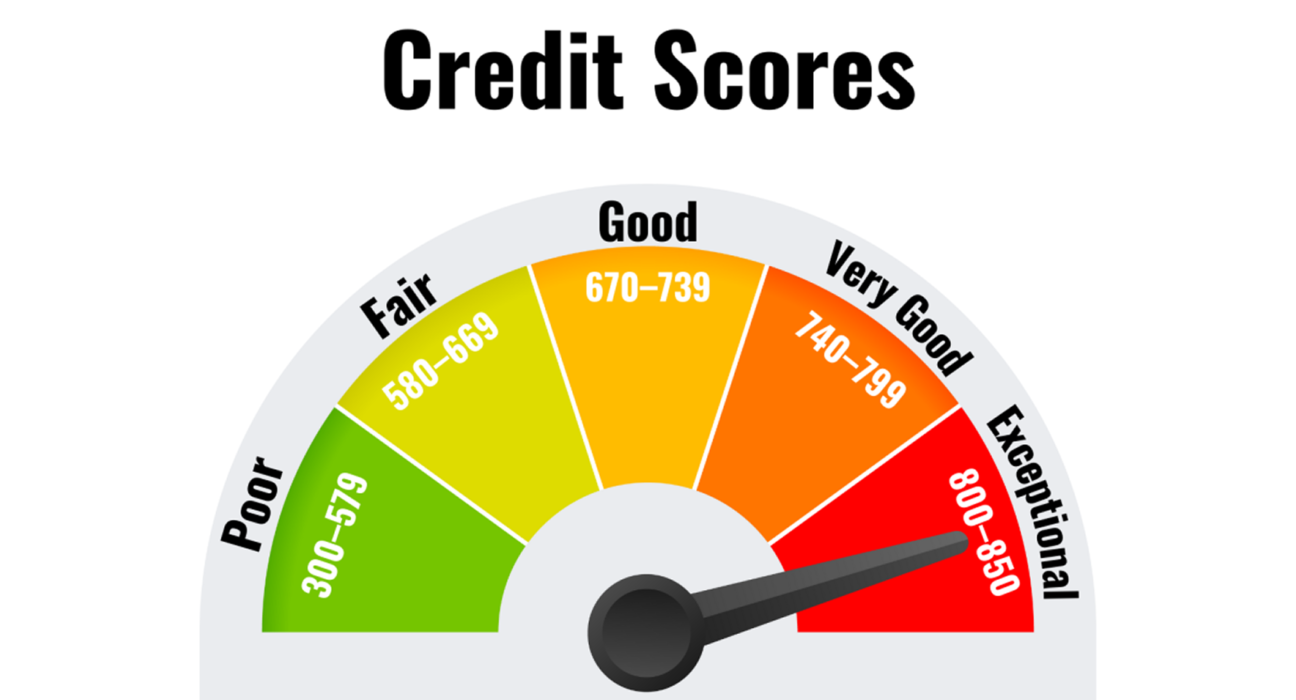
A credit score can influence many financial decisions.
It may be considered when you apply for a credit card, personal loan, mortgage, car finance, or other forms of credit. In some markets, a strong credit history can also make it easier to qualify for better borrowing terms.
But building a good credit score does not require complicated financial strategies.
It mostly comes down to developing consistent credit habits and managing borrowed money responsibly.
Here is a practical guide to understanding and building a healthy credit profile.
What Is a Credit Score?
A credit score is a numerical representation of information in your credit history.
Credit scoring systems use information such as your borrowing and repayment history to estimate how you have managed credit.
Different countries and credit bureaus use different scoring models, so the exact scoring system can vary.
However, the general principle is straightforward:
Responsible credit management can help build a stronger credit history.
Why Does a Credit Score Matter?
Lenders may use credit information when evaluating applications.
Depending on the country and lender, your credit profile can influence:
- Loan approval
- Credit card approval
- Interest rates
- Credit limits
- Loan terms
- Financing options
A stronger credit profile may give you more financial options.
1. Start Building Credit Responsibly
If you have little or no credit history, the first step is establishing some credit activity.
Depending on where you live, this could involve responsibly using a suitable:
- Credit card
- Secured credit card
- Small loan
- Other credit product that reports to credit bureaus
The goal is not to borrow as much as possible.
The goal is to establish a record of responsible borrowing and repayment.
2. Pay Your Bills on Time
Payment history is one of the most important aspects of credit management.
Missing payments can negatively affect your credit history, particularly when payments become significantly overdue.
A simple system can help:
- Set payment reminders
- Use automatic payments where appropriate
- Keep sufficient funds available
- Review statements regularly
Treat credit payments as fixed financial obligations rather than optional expenses.
3. Never Borrow More Than You Can Repay
A credit card can make it easy to spend more than you intended.
Remember that your available credit is not the same thing as your income.
If your credit limit is $5,000, that does not mean you should spend $5,000.
Use credit only for purchases you can realistically repay.
4. Keep Credit Utilization Under Control
Credit utilization generally refers to how much of your available revolving credit you are using.
For example, if you have:
$10,000 available credit
and a balance of:
$3,000
your utilization is 30%.
Lower utilization is generally viewed more favorably by many scoring systems, although the exact impact varies by scoring model.
The important principle is to avoid consistently carrying very high balances relative to your available credit.
5. Pay More Than the Minimum When Possible
A minimum payment may keep an account from becoming past due, but paying only the minimum can allow balances and interest costs to remain for a long time.
If you can afford it, paying the statement balance in full can help you:
- Avoid or reduce interest charges
- Keep balances under control
- Reduce debt faster
- Maintain better financial flexibility
Always check your card’s specific terms.
6. Keep Older Accounts Open When Appropriate
The age of your credit accounts can be relevant to some credit scoring systems.
Closing an old account may affect your credit profile depending on the circumstances.
However, this does not mean you should keep every account open forever.
Consider:
- Annual fees
- Whether you use the account
- Credit limit
- Overall financial situation
- Impact on your credit profile
Avoid making account decisions solely for the purpose of chasing a particular score.
7. Avoid Applying for Too Much Credit at Once
When you apply for credit, lenders may perform credit checks.
Multiple applications within a short period can sometimes affect your credit profile, depending on the type of credit and scoring system.
Before applying, ask:
Do I actually need this credit?
Avoid opening accounts simply because a company offers you a promotional deal.
8. Check Your Credit Report
One of the most important habits is reviewing your credit report periodically.
Look for:
- Incorrect personal information
- Accounts you do not recognize
- Incorrect payment records
- Incorrect balances
- Duplicate accounts
- Outdated information
Errors can sometimes affect your credit profile.
If you find an error, follow the appropriate dispute process provided by the relevant credit bureau or lender.
9. Monitor Your Accounts for Fraud
Checking your credit information can also help you identify suspicious activity.
Watch for accounts or applications that you do not recognize.
If something appears suspicious:
- Review the account details.
- Contact the relevant lender or financial institution.
- Follow the appropriate fraud-reporting process.
- Review your credit reports.
- Secure your financial accounts.
Acting quickly can help limit potential damage.
10. Keep Your Debt Manageable
A strong credit score does not mean having a large amount of debt.
In fact, excessive debt can create financial stress even if payments are technically being made on time.
Consider your overall obligations, including:
- Credit cards
- Personal loans
- Car loans
- Student loans
- Mortgages
- Other financing
Your goal should be sustainable borrowing, not maximum borrowing capacity.
11. Build a Consistent Payment History
Credit improvement is generally not an overnight process.
A consistent history of responsible payments can become more valuable over time.
Think of credit building as a long-term habit.
Instead of trying to increase your score quickly, focus on:
Pay on time → Keep debt manageable → Monitor accounts → Repeat
12. Don’t Max Out Your Credit Cards
Using nearly all of your available credit can make your credit profile look more heavily dependent on revolving credit.
For example, if your card has a $5,000 limit, regularly reaching $4,800 or $5,000 may create a high utilization ratio.
If your spending needs regularly exceed your available limit, review your budget rather than simply increasing borrowing.
13. Be Careful With Credit Limit Increases
A higher credit limit can sometimes reduce your utilization if your spending stays the same.
For example:
$2,000 balance / $5,000 limit = 40% utilization
If the limit increases to $10,000 while the balance remains $2,000:
$2,000 / $10,000 = 20% utilization
However, a higher limit can become risky if it encourages you to spend more.
A credit limit is not extra income.
14. Don’t Close Credit Accounts Impulsively
Closing a credit card may sometimes make sense, particularly if it has expensive fees or creates financial problems.
But before closing an older account, consider how the decision could affect your overall credit profile.
Review the account’s:
- Age
- Credit limit
- Annual fee
- Utilization impact
- Benefits
If you are unsure, consider getting guidance from a qualified financial professional.
15. Understand the Difference Between Credit and Debit
A debit card generally uses money already available in your bank account.
A credit card allows you to borrow up to a specified limit and repay the amount according to the account terms.
Responsible credit use can help establish credit history.
However, using a credit card does not automatically improve your finances.
The key is how you manage the balance and repayments.
16. Create a Payment System
Good credit management becomes easier when payments are organized.
You can use:
- Calendar reminders
- Banking alerts
- Automatic payments
- Budgeting apps
- Monthly financial reviews
A simple monthly routine can be enough.
Once a Month
Review:
- Current balances
- Upcoming payments
- Credit card statements
- Unusual transactions
- Overall debt
This reduces the chance of missing something important.
17. Build an Emergency Fund
An emergency fund does not directly create a higher credit score.
However, it can help protect your credit profile.
Unexpected expenses can sometimes lead people to rely heavily on credit cards or miss payments.
Having savings available for emergencies can reduce the need to borrow when something unexpected happens.
18. Don’t Use Credit to Maintain a Lifestyle You Can’t Afford
One of the most damaging financial habits is using credit to regularly cover expenses that your income cannot support.
Credit should generally be a financial tool, not a replacement for income.
If you consistently need credit to pay for everyday essentials, the underlying budget may need attention.
19. Understand Different Types of Credit
Credit can take different forms.
Examples include:
- Revolving credit cards
- Personal loans
- Auto loans
- Mortgages
- Student loans
- Lines of credit
Different types of accounts may be treated differently by credit scoring models.
You do not need to deliberately take on different forms of debt simply to improve your score.
Only borrow when there is a genuine financial reason.
20. Be Patient
One of the biggest mistakes people make is expecting a credit score to change immediately.
Credit history is built over time.
If you have recently:
- Started using credit
- Paid down debt
- Corrected an error
- Opened or closed an account
the effect may not appear instantly.
Focus on consistent financial behavior rather than checking your score every day.
Common Credit Score Mistakes to Avoid
Several habits can make credit management harder.
Missing Payments
Late payments can negatively affect your credit history.
Maxing Out Cards
High utilization can make your credit profile look heavily leveraged.
Applying for Unnecessary Credit
Opening accounts without a real need can complicate your finances.
Ignoring Statements
You may miss incorrect charges, fees, or important payment information.
Taking on Debt You Cannot Repay
Borrowing beyond your ability to repay can create long-term financial problems.
Closing Accounts Without Considering the Consequences
Closing an account may affect your overall credit profile.
A Simple Credit-Building Strategy
If you are starting from scratch, keep the process simple.
Step 1: Get Suitable Credit
Choose an appropriate credit product based on your circumstances.
Step 2: Use It Carefully
Make purchases you can afford.
Step 3: Pay on Time
Never rely on memory alone. Use reminders or automatic payments where appropriate.
Step 4: Keep Balances Manageable
Avoid consistently using a large portion of your available revolving credit.
Step 5: Monitor Your Credit
Review your reports and accounts periodically.
Step 6: Repeat Good Habits
Credit building is a long-term process.
Final Thoughts
Building a good credit score is less about finding a shortcut and more about developing consistent financial habits.
Pay your bills on time, keep borrowing manageable, monitor your credit reports, avoid unnecessary applications, and use credit only when you can realistically repay it.
Over time, responsible behavior can help establish a stronger credit history and give you greater access to financial options.
The goal should not simply be a high credit score. The goal is to become a responsible borrower with a healthy overall financial position.
Financial disclaimer: This article is for general informational purposes only and does not constitute financial, credit, or investment advice. Credit scoring systems and lending practices vary by country, lender, and credit bureau. Check the rules and terms that apply to your specific situation.