Best Smartphones in 2026: What to Look for Before Buying
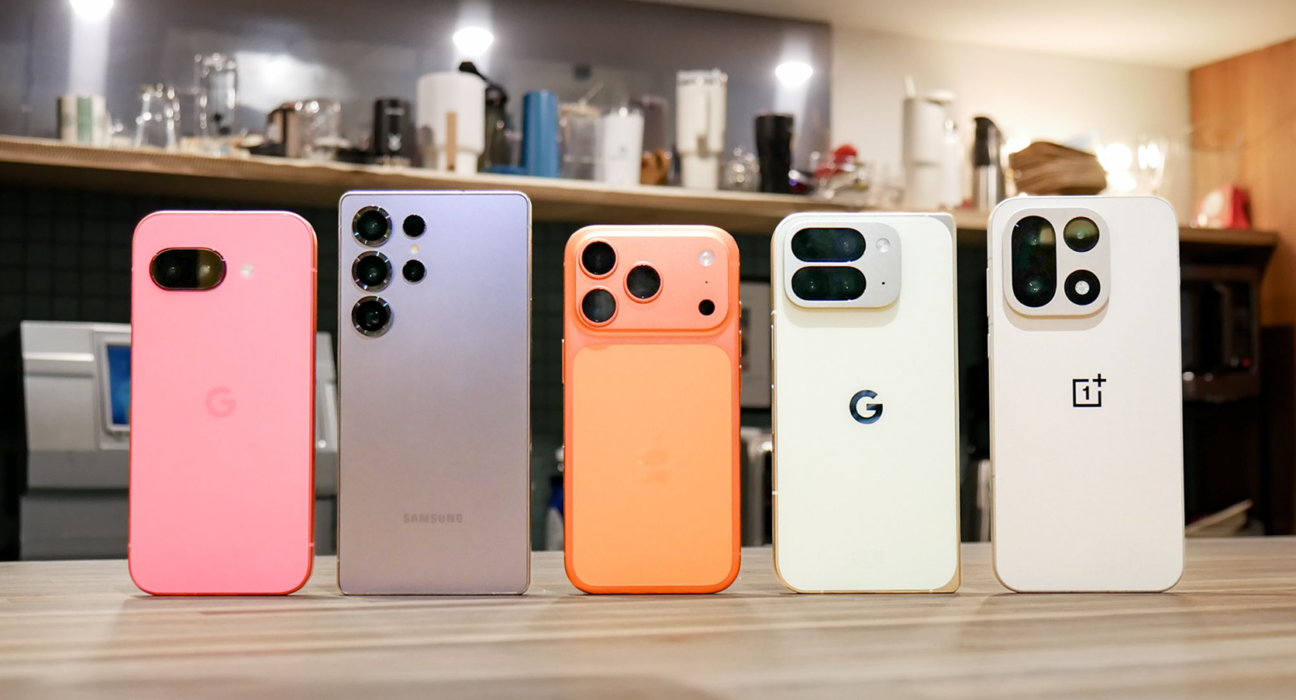
Smartphones have become much more than devices for making calls and sending messages.
Modern phones are used for photography, gaming, banking, work, entertainment, navigation, social media and increasingly for artificial intelligence-powered tasks.
With manufacturers releasing new models across different price ranges, choosing the right smartphone can be difficult.
The most expensive phone is not necessarily the best option for everyone. The right choice depends on how you use your phone, which features matter most to you and how much you are willing to spend.
Here are the most important things to consider before buying a smartphone in 2026.
What Makes a Good Smartphone?
A good smartphone needs to balance several different features.
Important areas include:
- Performance
- Display
- Camera quality
- Battery life
- Charging
- Software
- Security
- Build quality
- Connectivity
- Storage
- Price
The importance of each feature depends on the user.
A mobile photographer may prioritize cameras, while a gamer may care more about performance and display quality.
1. Performance
A smartphone’s processor has a major impact on how quickly applications open and how smoothly the device operates.
Modern processors are capable of handling demanding applications, high-quality games and increasingly sophisticated AI features.
When comparing phones, don’t focus only on the processor name.
Real-world performance also depends on:
- RAM
- Storage technology
- Software optimization
- Thermal management
- Battery efficiency
A phone with excellent software optimization can sometimes feel faster than a device with more powerful specifications on paper.
2. Display Quality
The display is one of the parts of a smartphone you interact with constantly.
Modern smartphones commonly use OLED or AMOLED displays, particularly in mid-range and premium models.
When comparing displays, consider:
- Screen size
- Resolution
- Refresh rate
- Brightness
- Color accuracy
- HDR support
- Outdoor visibility
A higher refresh rate can make scrolling and animations feel smoother.
However, display quality involves more than refresh rate alone.
Brightness and readability under direct sunlight can be particularly important if you spend a lot of time outdoors.
3. Camera Quality
Smartphone cameras have improved dramatically.
Many phones now include multiple cameras designed for different situations.
A typical camera system may include:
- Main camera
- Ultra-wide camera
- Telephoto camera
- Front camera
However, more cameras do not automatically mean better photography.
Image processing, sensor size, lens quality and software all influence the final result.
Main Camera
The main camera is usually the most important camera on the phone.
It is typically used for everyday photographs and provides the best overall image quality.
Ultra-Wide Camera
An ultra-wide camera allows you to capture a larger area in a single image.
It can be useful for:
- Landscapes
- Architecture
- Group photographs
- Travel
Telephoto Camera
A telephoto camera provides optical zoom capabilities.
It can be particularly useful for:
- Portraits
- Wildlife
- Sports
- Travel photography
If photography is important to you, look at actual camera samples and reviews rather than relying only on megapixel numbers.
4. Battery Life
Battery capacity is usually measured in milliamp-hours, but capacity alone does not determine how long a phone will last.
Battery life also depends on:
- Processor efficiency
- Display technology
- Screen brightness
- Network connectivity
- Software optimization
- App usage
Two phones with similar battery capacities can have noticeably different real-world battery life.
If you use your phone heavily throughout the day, battery performance should be one of your top priorities.
5. Charging Speed
Fast charging has become increasingly common.
A phone that supports faster charging can be useful when you need to quickly recharge before leaving home.
However, charging speed is not the only factor to consider.
Check whether the required charger is included with the phone and whether the manufacturer uses a proprietary charging standard.
Wireless charging can also be useful, particularly for people who prefer convenient charging at home or in the office.
6. Software and Updates
The operating system has a major influence on the overall smartphone experience.
Apple’s iOS and Google’s Android platform offer different approaches to customization, ecosystem integration and device management.
When buying a phone, also consider how long the manufacturer promises software and security updates.
Longer software support can make a phone more useful over several years.
It can also improve security and reduce the need to replace the device frequently.
7. Artificial Intelligence Features
AI is becoming an increasingly important part of modern smartphones.
Depending on the manufacturer and model, AI features can assist with:
- Photo editing
- Translation
- Voice assistance
- Writing
- Search
- Summarization
- Call features
- Image recognition
- Productivity
However, AI features differ significantly between devices and regions.
Some features may require an internet connection, while others can be processed directly on the phone.
If AI is one of your main reasons for upgrading, check exactly which features are supported on the model you are considering.
8. Storage
Smartphone storage can fill up quickly.
Photos, videos, applications, games and downloaded media can require significant amounts of space.
Before buying, think about how you use your phone.
If you frequently record high-resolution video or install large games, additional storage may be worthwhile.
Some phones offer expandable storage, while many premium models rely entirely on internal storage.
Choosing enough storage at the time of purchase can be important because upgrading later may not be possible.
9. Build Quality
Premium smartphones often use materials such as aluminum, titanium or glass, while more affordable models may use plastic or other materials.
Build quality affects:
- Durability
- Weight
- Feel in the hand
- Resistance to everyday wear
Water and dust resistance can also be useful.
If you regularly use your phone outdoors or around water, check its official protection rating rather than assuming that every smartphone is waterproof.
10. 5G and Connectivity
5G networks are available in many markets, although coverage varies significantly by location.
A phone that supports 5G can provide access to faster mobile networks where compatible service is available.
Other connectivity features to consider include:
- Wi-Fi support
- Bluetooth
- NFC
- GPS
- Dual SIM
- eSIM
If you travel internationally, dual-SIM and eSIM support can be particularly useful.
11. Security
Smartphones contain a significant amount of personal information.
Security features can include:
- Fingerprint sensors
- Face recognition
- Secure biometric authentication
- Encrypted storage
- Regular security updates
Keeping your operating system and applications updated is also important.
A strong lock screen password or passcode provides another important layer of protection.
12. Ecosystem
Your existing devices can influence which smartphone makes the most sense.
For example, someone who already owns a smartwatch, tablet, laptop and wireless earbuds from a particular ecosystem may benefit from choosing a phone that integrates well with those products.
Consider how easily your smartphone can work with:
- Computers
- Tablets
- Smartwatches
- Earbuds
- Cloud storage
- Smart home devices
An ecosystem can make everyday tasks more convenient.
13. Smartphones for Photography
If photography is your priority, focus on more than megapixels.
Look for:
- Good low-light performance
- Reliable autofocus
- Optical image stabilization
- Strong image processing
- Quality telephoto cameras
- High-quality video recording
Also consider how consistently the camera performs across different lighting conditions.
A camera that produces excellent daylight photographs but struggles at night may not be the best choice for your needs.
14. Smartphones for Gaming
Gamers should pay attention to:
- Processor performance
- GPU performance
- Display refresh rate
- Touch response
- Cooling
- Battery capacity
- Charging speed
- Storage
Gaming can generate significant heat, so thermal management is particularly important during long sessions.
A phone that maintains performance under sustained workloads can provide a better gaming experience than one that performs well only for short periods.
15. Smartphones for Battery Life
If battery life is your biggest concern, look beyond the advertised battery capacity.
Look for independent tests that measure real-world usage.
Consider how much time you spend:
- Watching videos
- Gaming
- Using navigation
- Taking photographs
- Using mobile data
- Browsing social media
Your personal usage pattern will have a major effect on battery life.
How Much Should You Spend on a Smartphone?
There is no universal answer.
Budget smartphones can provide excellent value for basic everyday use.
Mid-range phones often offer a balance between performance, cameras and features.
Premium phones generally offer the latest processors, advanced cameras, better displays and additional features.
Before buying, decide which features actually matter to you.
Spending more is not always necessary if your usage requirements are relatively simple.
How Often Should You Replace Your Smartphone?
Many people replace their phones when performance declines, the battery becomes difficult to manage or software support ends.
If your current phone still performs well, receives security updates and meets your needs, there may be little reason to upgrade simply because a newer model has been released.
A longer replacement cycle can also reduce the overall cost of smartphone ownership.
What Should You Check Before Buying?
Before purchasing a smartphone, compare:
| Feature | What to Check |
|---|---|
| Processor | Performance and efficiency |
| Display | Brightness, resolution and refresh rate |
| Camera | Image quality and stabilization |
| Battery | Real-world battery life |
| Charging | Wired and wireless charging |
| Software | Update policy and features |
| Storage | Available capacity |
| Connectivity | 5G, Wi-Fi, Bluetooth and eSIM |
| Security | Biometrics and software updates |
| Build | Materials and protection |
| Price | Overall value |
Final Thoughts
The best smartphone in 2026 is not necessarily the most expensive or the one with the highest specifications.
The right phone depends on your priorities.
Photography enthusiasts should focus on camera performance. Gamers should prioritize processing power and thermal performance. Frequent travelers may value battery life, connectivity and durability, while people who keep their phones for several years should pay close attention to software and security support.
Before buying, identify the features you actually need and compare phones based on real-world performance rather than specifications alone.
A smartphone should make your daily life easier, not simply give you the longest list of features.