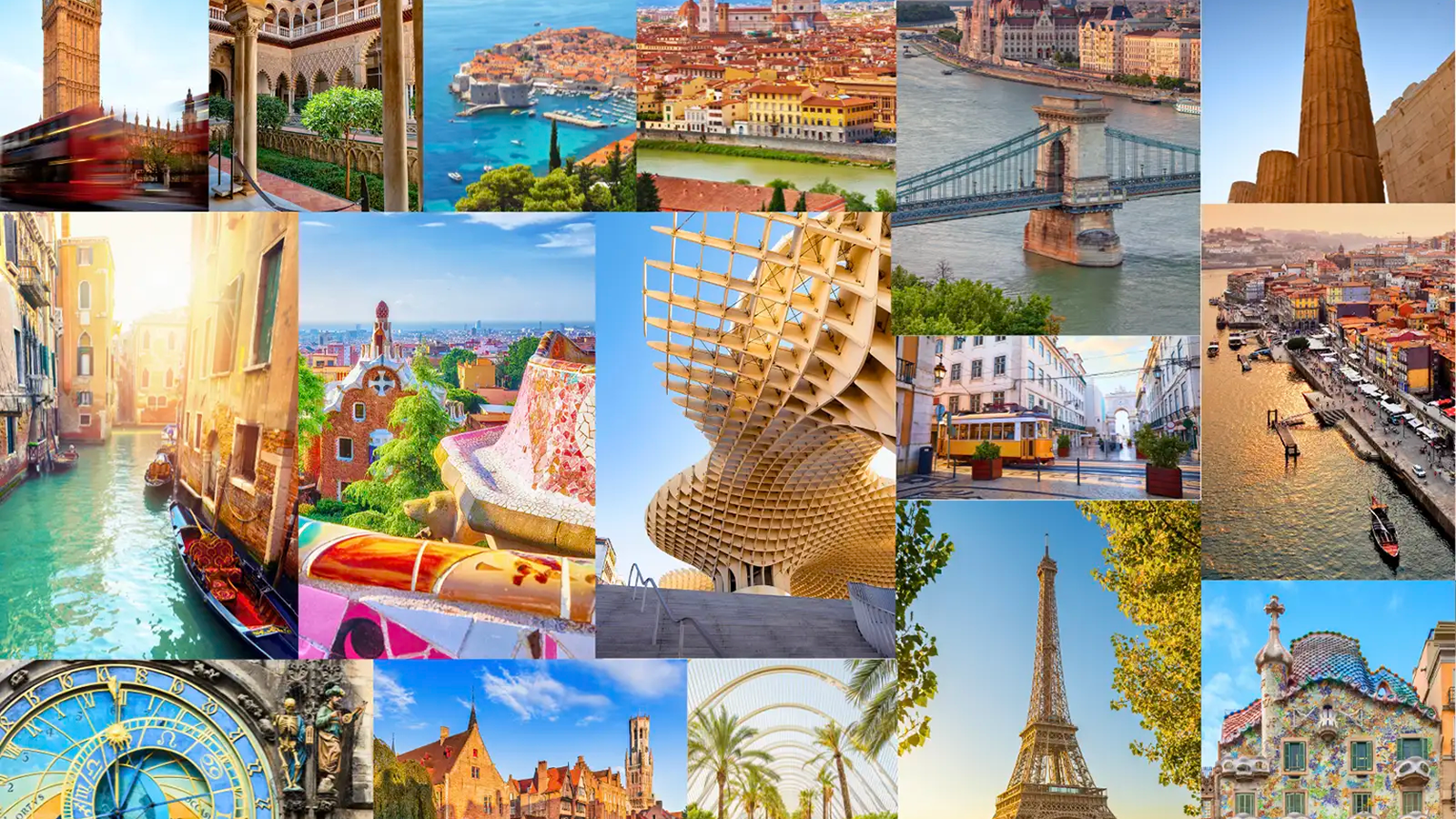






Why Cities Charge Tourist Taxes: The Hidden Cost of Visiting Popular Destinations

You book a hotel, compare flight prices, plan your itinerary and estimate how much the trip will cost.
Then, somewhere during checkout or at the hotel reception, another charge appears.
A tourist tax.
It might be a small amount per night, a percentage of your accommodation bill or a visitor fee collected through a different system. In some destinations, the charge depends on the type of accommodation, the length of your stay or the season.
For travellers, it can feel like an unexpected addition to an already expensive holiday.
For cities, however, these fees can serve a larger purpose: helping destinations manage the cost of welcoming visitors.
Tourist taxes sit at the intersection of travel, urban infrastructure, local politics and the economics of tourism.
And understanding them reveals something important about modern travel: the price of a destination is not always captured by the price of a hotel room.
1. What Is a Tourist Tax?
A tourist tax is a charge imposed on visitors under rules established by a government or relevant local authority.
Depending on the destination, it may be called:
- A visitor tax.
- A city tax.
- A tourism levy.
- An accommodation tax.
- A destination fee imposed under local rules.
These terms are not interchangeable everywhere.
The legal structure, collection method and purpose of the charge vary by location.
Some destinations apply a fixed amount per person per night. Others calculate the fee using accommodation prices, hotel categories or other criteria.
Certain places may collect charges directly from visitors, while others require hotels or booking platforms to collect them.
A tourist tax is also different from an ordinary hotel service charge or an optional resort fee.
Travellers should check which charges are legally required, which are included in the booking price and which are separate commercial fees.
2. Why Popular Cities Want Visitors to Contribute
Tourism creates economic opportunities.
Visitors spend money on hotels, restaurants, transport, attractions, shopping and local experiences.
That spending can support employment, small businesses and investment.
But tourism also creates costs that are not always paid directly by visitors.
Cities may need to manage:
- Public transport demand.
- Street cleaning and waste collection.
- Crowded public spaces.
- Public facilities.
- Cultural and heritage sites.
- Environmental pressures.
- Visitor information and tourism management.
Residents use many of these services too.
When visitor numbers rise significantly, the additional pressure can become more visible, especially in compact historic centres or destinations with limited infrastructure.
A tourist tax can help authorities collect revenue from an activity that contributes to those pressures.
The underlying argument is simple: visitors benefit from a destination’s public spaces and infrastructure, so they may reasonably contribute to maintaining them.
Whether a particular tax achieves that goal depends on how it is designed and how its revenue is used.
3. Where Does Tourist Tax Money Actually Go?
The answer depends on local law and budget decisions.
Some visitor levies support tourism promotion. Others contribute to public services, infrastructure, environmental initiatives or cultural preservation.
Potential uses include:
Maintaining public spaces: Cleaning busy streets, parks, waterfronts and other areas that experience heavy visitor traffic.
Protecting heritage: Supporting the conservation or management of historic buildings and cultural attractions.
Improving mobility: Contributing to transport infrastructure or visitor management, where funding rules permit.
Supporting tourism management: Helping destinations improve visitor information, crowd planning and tourism services.
Environmental initiatives: Supporting projects aimed at reducing the impact of tourism.
However, it is important not to assume every tourist tax directly funds these programmes.
Some revenues enter broader public budgets. Others are earmarked for specific purposes.
The name of a tax does not necessarily tell you how the money is spent.
For travellers interested in accountability, local government budget documents and official tourism authority explanations are more informative than a hotel’s description alone.
4. Why Tourist Taxes Are Different From City to City
There is no universal tourist tax system.
Two cities that attract similar numbers of visitors may have entirely different approaches.
One destination might charge a flat amount per night.
Another could use a percentage-based levy.
A third might apply different rules depending on the accommodation category, visitor type or season.
These differences reflect local policy priorities.
For example, a city dealing with intense seasonal congestion may favour a different approach from a destination trying to encourage longer stays.
The design of a tax can also depend on administrative capacity.
A charge collected through hotels may be relatively straightforward where accommodation providers are registered and reporting systems are well established.
Collecting a fee from day visitors or people arriving through multiple transport routes can require a different enforcement system.
A tax that looks simple on paper can become complicated when applied to millions of individual travel decisions.
5. Why Your Hotel Price May Not Be the Final Price
One reason tourist taxes frustrate travellers is that they may appear late in the booking process.
A room advertised at a particular nightly rate may not include every mandatory local charge.
Depending on the destination and booking arrangement, taxes may be:
- Included in the displayed total.
- Listed separately before payment.
- Payable directly at the property.
- Calculated using the final accommodation details.
This can make comparisons between hotels difficult.
A cheaper room is not necessarily the cheaper booking once all compulsory charges are included.
A simple example
Imagine two accommodation options for two adults staying three nights.
Illustrative example
Hotel A
₹6,000
Per night
Hotel B
₹6,300
Per night
Hotel A
3-night room total
₹18,000
Plus ₹300 per person per night visitor tax
Hotel B
3-night room total
₹18,900
Assumed visitor tax included
Hotel A total, including assumed tax
₹19,800
Hotel B is cheaper overall
Illustrative figures only. Assumes the stated tax applies to both adults for all three nights, with no other charges or exemptions.
This example shows why the total booking cost matters more than the advertised nightly rate.
Actual tax rules may include exemptions, caps, different rates or other calculation methods, so always check the destination’s current requirements.
6. Do Tourist Taxes Actually Reduce Overtourism?
Not necessarily.
Tourist taxes are sometimes presented as a way to control excessive tourism, but their impact depends on the scale of the charge and the behaviour of visitors.
A modest fee may raise revenue without significantly changing travel decisions.
For travellers who have already spent considerable money on flights, accommodation and experiences, a relatively small additional charge may not influence whether they visit.
A sufficiently large charge could affect demand in some circumstances, but it may also disproportionately affect visitors with tighter budgets.
Tourist taxes can still support destination management even when they do not reduce visitor numbers.
This distinction is important.
Raising funds from tourism and reducing tourism pressure are two different policy objectives.
A city should evaluate them separately rather than assuming that one tax automatically achieves both.
7. Who Ends Up Paying More?
The structure of a visitor levy can shape who bears the greatest cost.
Consider two common approaches.
A fixed nightly charge
A fixed fee per person per night may represent a larger percentage of a budget traveller’s accommodation spending.
For example, the same fee can have a noticeably different impact on an inexpensive room and a luxury suite.
A percentage-based charge
A percentage-based fee may increase with the accommodation price.
That can produce a different distribution of costs, although exemptions, limits and other local rules can alter the result.
Other design decisions matter too.
- Are children exempt?
- Are longer stays treated differently?
- Do residents receive exemptions?
- Are day visitors included?
- Are certain accommodation types covered?
- Are there maximum charge limits?
These choices can influence fairness, administration and effectiveness.
The best tax structure is not necessarily the one that generates the most revenue. It is the one that fits the destination’s objectives while treating visitors transparently.
8. Why Residents Have Mixed Feelings About Tourist Taxes
Tourism can make a city more vibrant.
Visitors support restaurants, museums, independent shops, guides and local businesses.
But residents may also experience the consequences of high visitor demand.
Crowded public transport, pressure on housing, noise, congestion and busy public spaces can affect everyday life.
A tourist tax can be politically attractive because it asks visitors to contribute toward destination costs without relying exclusively on local residents.
Yet it is not a complete solution.
Housing affordability, short-term rental regulation, infrastructure planning and crowd management may require separate policies.
There is also a question of trust.
Residents may be more supportive of visitor fees if they can see tangible improvements.
If a city collects tourism revenue but fails to address the problems residents experience, the policy may lose public support.
The issue is therefore not just how much money is collected.
It is whether the policy produces visible public value.
9. What Travellers Can Do to Avoid Budget Surprises
Tourist taxes are not always avoidable, but unexpected costs often are.
Before confirming a booking:
- Review the full price breakdown. Check whether mandatory taxes are included.
- Read the accommodation’s payment terms. Look for charges payable at arrival or departure.
- Check the official destination rules. Confirm rates, exemptions and calculation methods.
- Understand the duration. Some taxes depend on nights stayed or have limits.
- Keep a small travel contingency. Local fees, transport changes and other incidental costs can add up.
- Save the booking confirmation. It helps resolve disagreements about what was included.
If you are visiting several cities, remember that each destination may have a separate system.
A fee paid in one city does not automatically cover your stay in another.
10. The Future of Tourism Fees
As destinations reconsider how tourism affects daily life, visitor charges are likely to remain part of policy discussions.
Some places may adjust rates, expand collection methods or introduce more targeted systems.
Others may focus on transport improvements, visitor distribution, reservation systems or broader planning measures.
Technology can make fee collection easier, but it also introduces questions about privacy, accessibility and administrative complexity.
There is a broader challenge for destinations: maintaining the appeal that attracts visitors while protecting the qualities that make a place worth visiting.
A successful tourism strategy needs more than revenue collection.
It needs thoughtful infrastructure, good public services, responsible development and a genuine understanding of residents’ needs.
The Final Take: A Destination Costs More Than Its Room Rate
Tourist taxes reveal a less visible side of travel.
A beautiful historic centre, a reliable transport network, clean public spaces and protected cultural landmarks all require resources to maintain.
Visitors experience these benefits, even when they never see the budgets behind them.
A well-designed tourist tax can help destinations manage the costs of welcoming travellers.
But transparency matters.
Travellers deserve to understand what they are paying. Residents deserve to know whether the money creates meaningful improvements. And governments need to recognise that visitor fees cannot solve every challenge created by tourism.
The real value of a tourist tax is not the charge on a hotel bill. It is whether the destination becomes a better place to visit and a better place to live.