Why People Travel Thousands of Miles to Stand Where a Movie Was Filmed
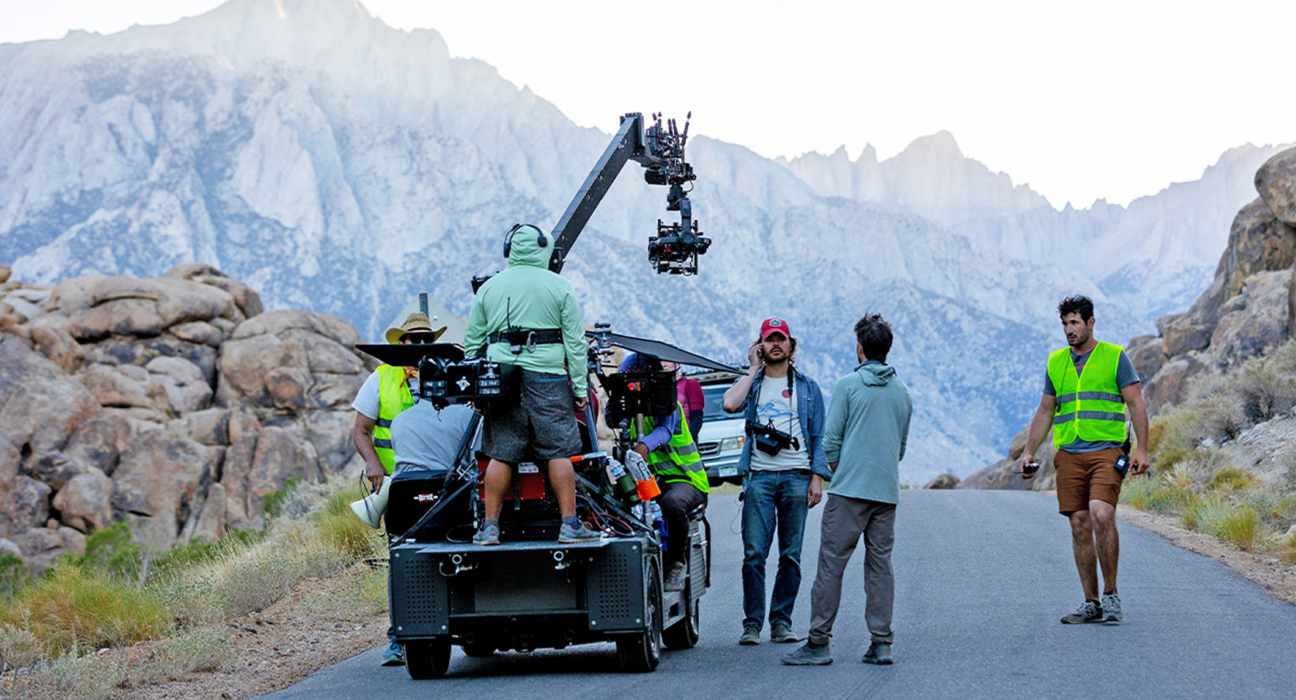
A landscape appears on a cinema screen.
A winding road cuts through green mountains. A quiet village sits beneath dramatic cliffs. A city street glows with familiar lights.
For most viewers, it is simply a beautiful scene.
For someone else, it becomes a destination.
They search for the location, save it to a travel list and start imagining what it would feel like to stand in the exact place where a favourite scene was filmed.
This is one of the fascinating ways entertainment influences travel.
People are no longer travelling only to see famous landmarks, taste local food or explore unfamiliar cultures. Some are travelling to step inside the worlds they first discovered through a screen.
And the experience is about much more than taking a photograph.
When a Fictional World Becomes a Real Destination
Films and television shows can change how people perceive places.
A location that was previously unfamiliar may suddenly become recognisable after appearing in a popular production.
A quiet street becomes associated with a memorable character. A mountain landscape becomes part of a fantasy adventure. A historic building becomes the setting of a dramatic scene.
The location gains a second identity.
It remains a real place with its own people, history and everyday life, but audiences begin associating it with a fictional story.
This phenomenon is commonly described as film tourism or screen tourism.
It includes travelling to filming locations, visiting attractions connected to screen productions and exploring destinations because they appeared in films or television.
Sometimes, the attraction is the exact filming spot.
Other times, travellers simply want to experience the atmosphere of a place that reminds them of a story.
Why Seeing a Place on Screen Changes Everything
A photograph can show you a destination.
A film can give that destination a narrative.
When audiences watch a story, they see locations through characters, emotions, music and memorable moments.
A coastline may become associated with freedom. A city may represent ambition. A village may feel comforting because it appeared during a favourite scene.
That emotional association can influence travel decisions.
The desire to experience a memory
People often develop personal connections with films and shows they watched at particular moments in their lives.
Visiting a filming location can feel like revisiting that memory.
The landscape is real, but the feeling attached to it may come from fiction.
The appeal of recognition
Travellers enjoy recognising details.
A staircase, bridge, building or street corner can become exciting because they know its appearance from the screen.
The journey becomes a search for familiar details in an unfamiliar environment.
The attraction of storytelling
Some travellers want more than the famous photograph.
They want to understand how a location was used, how scenes were created and what the real place looks like beyond the camera.
That curiosity can turn a simple sightseeing trip into a deeper exploration.
Destinations That Became Part of Movie History
Some places have become closely associated with internationally recognised productions.

Hobbiton, New Zealand
The Hobbiton Movie Set near Matamata offers visitors a chance to explore a setting associated with The Lord of the Rings and The Hobbit films.
Its carefully maintained landscape shows how a fictional environment can become a dedicated visitor attraction.

Glenfinnan Viaduct, Scotland
Recognised by many viewers through the Harry Potter films, this railway viaduct has become a popular stop for travellers interested in cinematic landscapes.
It is also a real railway structure in a wider natural and historical setting, not simply a movie backdrop.

Notting Hill, London
The neighbourhood is associated with the romantic comedy Notting Hill.
Visitors seek out familiar streets and locations while discovering a lively London neighbourhood that existed long before the film.

Petra, Jordan
Petra’s iconic Treasury appeared in Indiana Jones and the Last Crusade.
Its cinematic recognition adds another layer to the appeal of an extraordinary archaeological destination with a history far beyond Hollywood.
These destinations illustrate different versions of screen tourism.
Some offer purpose-built sets or organised experiences. Others are working neighbourhoods, transport infrastructure or historic sites where filming was only one chapter in a much larger story.
That distinction matters when planning a visit.
A famous screen location may be a managed attraction, a public space or a sensitive heritage site, each with different access rules.
The Film Tourism Business Is Bigger Than a Tour Ticket
When a destination attracts screen-inspired visitors, the economic opportunity can spread across the local travel industry.
Travellers may spend money on:
- Accommodation and local transport.
- Restaurants and cafés.
- Guided filming-location tours.
- Museums and visitor attractions.
- Souvenirs and local experiences.
- Longer stays to explore nearby areas.
This can create opportunities for small businesses, tour operators and destination marketing organisations.
Some locations develop dedicated tours. Others incorporate film connections into wider destination campaigns.
For tourism boards, a successful production can provide international visibility that would otherwise require substantial promotional effort.
A few memorable scenes can introduce a destination to audiences who may never have considered visiting it.
However, screen exposure does not guarantee a tourism boom.
Travel decisions depend on accessibility, costs, safety, visa requirements, seasonality, accommodation capacity and many other factors.
A production may create awareness, but turning that awareness into actual visits requires more than a recognisable backdrop.
Why the Place You Visit May Not Be the Place You Saw
One of the biggest surprises for screen-inspired travellers is that films frequently create fictional geography.
A single scene may combine several locations.
A building’s exterior may be filmed in one country, its interior in a studio and its surrounding landscape somewhere else.
Visual effects can transform ordinary environments into places that appear completely different.
Even when a real location is used, camera angles, lighting, weather and set design can change its appearance.
This creates a gap between the destination in your imagination and the place you actually visit.
A cinematic street may be shorter than it appeared. A mountain viewpoint may be difficult to reach. A famous building may be surrounded by modern infrastructure that never appeared on screen.
That does not necessarily make the visit disappointing.
It simply means the real destination deserves to be appreciated on its own terms.
The most rewarding trips often combine the famous filming spot with an exploration of the surrounding area.
When Popularity Becomes a Problem
Screen tourism can support local economies, but sudden popularity may also create pressure.
A location that was once relatively quiet can experience increased traffic, crowded viewpoints, waste, noise and disruption to residents.
The effects depend on the scale of tourism and the ability of local authorities and communities to manage it.
This becomes especially sensitive when filming locations include:
- Residential streets.
- Fragile natural landscapes.
- Historic buildings.
- Sacred or culturally significant places.
- Narrow roads and small communities.
A destination is not an open-air film set simply because a camera once stood there.
Residents still need access to their homes, businesses and public spaces.
Visitors should respect local restrictions, avoid trespassing and follow designated routes.
For destinations, sustainable tourism planning can help distribute visitors, protect sensitive sites and ensure that local communities benefit from the attention.
How to Plan a Film-Inspired Trip Without Missing the Real Destination
A movie-inspired journey can be a wonderful starting point for a holiday, but it helps to plan beyond the screen.
1. Verify the actual filming location
Do not rely entirely on social media captions or fan-made maps.
Check official tourism resources, reputable location guides or organised tour information. Productions sometimes use multiple locations for the same scene.
2. Understand access restrictions
Some locations are private properties, active workplaces, protected sites or managed attractions.
Confirm whether public access is permitted and whether advance booking is required.
3. Explore beyond the famous scene
Build time into your itinerary for local food, neighbourhoods, landscapes, museums and cultural attractions.
The filming location may be the reason you arrive, but it does not have to be the entire trip.
4. Consider the season
A landscape may look very different depending on weather, daylight and the time of year.
The cinematic version may have been filmed under carefully chosen conditions.
5. Respect the people who live there
Avoid blocking entrances, entering private property or disturbing residents for photographs.
Responsible visits help preserve the character of the destination that attracted travellers in the first place.
The Difference Between Visiting a Set and Visiting a Real Location
Not all film tourism experiences are alike.
| Experience | What to expect |
|---|---|
| Working film set | Access may be restricted or unavailable |
| Permanent movie set attraction | Designed for visitors, often with organised tours |
| Public filming location | A real street, landscape or landmark |
| Studio tour | Behind-the-scenes sets, props and production experiences |
| Film-themed attraction | An experience inspired by a franchise rather than an actual filming location |
Understanding this difference helps set expectations.
A permanent set attraction may recreate the fictional world in detail.
A real location may offer something more unpredictable: the opportunity to see how an ordinary place became extraordinary through storytelling.
Both experiences can be worthwhile, but they offer different kinds of discovery.
Can One Film Change a Destination’s Future?
Sometimes, screen exposure becomes part of a destination’s identity.
A film or series can introduce a location to new audiences, influence visitor interest and encourage tourism businesses to create new experiences.
But destinations are rarely defined by a single production forever.
Tourism trends change. New films arrive. Audiences move on to other stories.
Places that build a wider visitor experience may be better positioned to benefit over time.
That means investing in local experiences, infrastructure, hospitality and cultural preservation rather than depending entirely on one screen association.
The strongest destination stories do not end when a production leaves.
They continue through the people, heritage, food, landscape and culture that make the place worth visiting independently of the film.
Final Takeaway
Film tourism reveals something fascinating about the relationship between imagination and travel.
We often think of travel as a way to discover places we have never seen.
But sometimes, we travel because a place already feels familiar.
A scene gives us a reason to look closer. A character gives a landscape meaning. A story inspires us to book a ticket.
And when we finally arrive, the most memorable discovery may not be the filming location itself.
It may be everything the camera never showed.
The best screen-inspired journeys begin with a fictional story and end with a real-world experience worth remembering.