Why “Free Shipping” Is Never Really Free
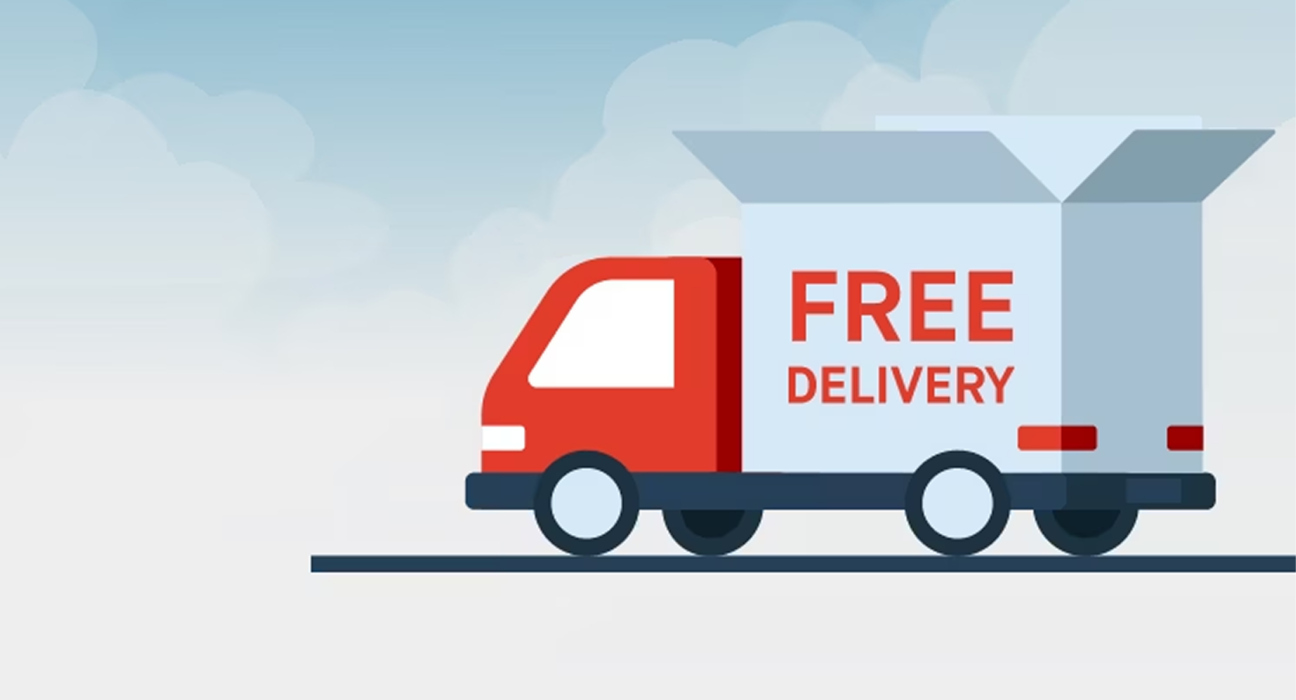
There is a small word that can completely change the way people shop online:
Free.
A product costs $40 with $6 shipping, and suddenly it feels expensive.
The same product costs $46 with free shipping, and somehow it feels like a better deal.
The total is exactly the same.
Yet most people react differently.
That isn’t an accident.
“Free shipping” has become one of the most powerful ideas in online shopping. It can influence what we buy, how much we spend, which store we choose and even whether we add another product to our cart.
But if shipping involves warehouses, packaging, fuel, delivery networks and people, how can it actually be free?
The simple answer is that someone is paying for it.
The interesting part is figuring out who, how and why.
The Price You See Isn’t Always the Price You Pay
Online stores have many costs that customers never see.
A product may travel from a manufacturer to a warehouse, then from the warehouse to a sorting facility, and finally to your doorstep.
Every step costs money.
There is packaging.
There are delivery workers.
There are vehicles, fuel, warehouses, software systems and returns.
When a retailer offers free shipping, those costs don’t suddenly disappear.
They are simply handled differently.
Sometimes the shipping cost is built into the product price.
Sometimes the retailer absorbs part of it.
Sometimes a marketplace spreads logistics costs across thousands of orders.
And sometimes the customer pays indirectly through a subscription or membership.
So “free shipping” usually means free at checkout, not free to the business.
Why Free Shipping Feels So Powerful
There is something unusual about the word “free.”
A $10 discount sounds useful.
But “free shipping” can feel even better, even when the financial benefit is smaller.
Why?
Because people don’t always evaluate purchases purely through mathematics.
We respond strongly to the idea of avoiding an extra cost.
Imagine two offers:
Product A
$30 + $5 shipping
Product B
$35 with free shipping
Economically, they’re identical.
Psychologically, they don’t feel identical.
The second option removes the unpleasant moment when an extra fee appears during checkout.
That matters.
Nobody likes reaching the final payment screen and discovering that the product suddenly costs more.
The Checkout Surprise
One of the biggest advantages of free shipping is that it creates a cleaner buying experience.
Think about the difference between:
Product: $49
Shipping: $8
Total: $57
and:
Product: $57
Shipping: FREE
Total: $57
The second version often feels simpler.
There is no additional charge to mentally justify.
This is particularly important because shipping fees arrive at the exact moment when customers are deciding whether to complete the purchase.
A customer who was comfortable paying $49 may hesitate when the final total becomes $57.
The product hasn’t changed.
The customer’s perception has.
Why Stores Set Free-Shipping Thresholds
You’ve probably seen offers such as:
Free shipping on orders over $50.
Or:
Spend $75 more to unlock free delivery.
This is one of the smartest mechanisms in e-commerce.
Suppose your cart contains $38 worth of products.
You need another $12 to qualify for free shipping.
Suddenly, a product you weren’t planning to buy starts looking attractive.
You might think:
“I was going to pay for shipping anyway. I might as well add something.”
And now the retailer has increased the size of your order.
The shipping offer has changed your shopping behavior.
That’s why free shipping thresholds are not simply generous offers.
They can also be sales tools.
The “One More Thing” Effect
This is where free shipping becomes particularly interesting.
Imagine you are buying a $25 product.
Shipping costs $7.
The retailer offers free shipping above $40.
Instead of paying $32, you start looking for something worth $15 or $20.
You may end up spending $45.
You originally came to buy one thing.
The promise of avoiding a $7 shipping fee encouraged you to buy several things.
From the customer’s perspective, it feels like saving money.
From the retailer’s perspective, the average order value has increased.
That’s a very different way of thinking about “free.”
Memberships Changed the Game
The idea became even more powerful when retailers started turning delivery into a membership benefit.
Instead of charging customers separately for shipping, companies can offer a subscription that includes delivery benefits.
The psychology changes again.
Once someone has paid for a membership, using the delivery benefit can feel like getting something for free.
A customer may think:
“I already have free shipping, so I might as well order it.”
That can encourage more frequent purchases.
The delivery benefit isn’t simply reducing shipping costs.
It can also increase customer engagement and shopping frequency.
Free Shipping Can Change What You Buy
The effect doesn’t stop at whether you complete an order.
Shipping can influence which product you choose.
Imagine two similar products:
- Product A: $40 + $6 shipping
- Product B: $45 with free shipping
Many shoppers may choose Product B even though it has the higher listed price.
The reason is simple.
The second product feels more predictable.
There is less friction.
This is one reason retailers pay close attention to how product prices and delivery charges are displayed together.
The way a price is presented can influence the way that price is perceived.
The Rise of “Fast and Free”
Free shipping eventually became only part of the competition.
Now shoppers often expect two things at once:
Free delivery.
Fast delivery.
That’s a much harder promise for retailers to maintain.
Fast logistics require enormous infrastructure.
Warehouses need to be positioned closer to customers.
Inventory needs to be available in the right locations.
Delivery networks need to operate efficiently.
Returns need to be processed.
Technology needs to predict what people are likely to buy before they even place an order.
The modern shopping experience can make all of this invisible.
You click a button.
A package appears a day or two later.
Behind that simple experience is an enormous logistics operation.
So Who Actually Pays?
There isn’t one universal answer.
Depending on the retailer, shipping costs can be covered through:
- Product margins
- Higher product prices
- Membership fees
- Minimum order requirements
- Advertising revenue
- Marketplace fees
- Retailer-funded promotions
- Manufacturer or seller agreements
- Economies of scale
Sometimes the business genuinely absorbs part of the delivery cost because gaining the customer is considered more valuable than the immediate profit from the order.
That’s especially common when companies are competing aggressively for market share.
Free Shipping Has a Hidden Cost for Retailers
Offering free delivery isn’t automatically profitable.
If a retailer sells a $20 product with a small profit margin and spends $8 delivering it, the economics can become difficult.
This is why businesses carefully track things such as:
- Average order value
- Shipping cost per order
- Return rates
- Customer acquisition cost
- Profit margin
- Repeat purchases
- Delivery distance
- Order frequency
A customer who places one small order can be expensive to serve.
A customer who regularly places larger orders can be much more valuable.
That’s why free shipping is usually part of a larger business strategy.
Returns Make the Equation Even More Complicated
Getting a product to your home is only half of the story.
What happens when you send it back?
Returns can involve another round of transportation, packaging, warehouse processing, inspection and inventory management.
Fashion is a particularly interesting example because shoppers may order multiple sizes or styles and return some of them.
The original “free delivery” offer can therefore create additional logistical costs.
For shoppers, the return process may feel simple.
For businesses, it can be considerably more complicated.
Why “Free” Is Such a Powerful Word
The bigger story isn’t really about shipping.
It’s about human behavior.
People don’t always ask:
“What is the total economic cost of this purchase?”
Instead, we often ask:
“Am I getting a good deal?”
Free shipping can become a signal that tells us the answer is yes.
It reduces friction.
It removes an unpleasant fee.
It makes the checkout process feel cleaner.
And sometimes it encourages us to spend more than we originally planned.
That’s what makes the idea so powerful.
The Next Time You See “Free Shipping”
Don’t automatically assume you’re getting a bad deal.
Free shipping can absolutely be valuable.
But it is worth looking at the total price, not just the delivery line.
Before buying, compare:
- Product price
- Shipping cost
- Taxes or other charges
- Return conditions
- Membership fees
- Delivery speed
- Prices from competing retailers
The cheapest-looking product isn’t always the cheapest purchase.
And the product with “free shipping” isn’t necessarily the best deal.
The Real Meaning of Free
Online shopping has trained us to think of delivery as something that should simply happen in the background.
Click.
Pay.
Wait.
Arrive.
But moving a physical product from one place to another is never truly free.
Someone has to build the warehouse.
Someone has to pack the order.
Someone has to move it.
Someone has to deliver it.
The interesting part is not whether shipping costs money.
It always does.
The interesting part is where that cost is hidden, how it is recovered, and how the promise of “free” changes what we do as shoppers.
And that may be the real business behind free shipping.