How to Read Clothing Care Labels: A Simple Guide
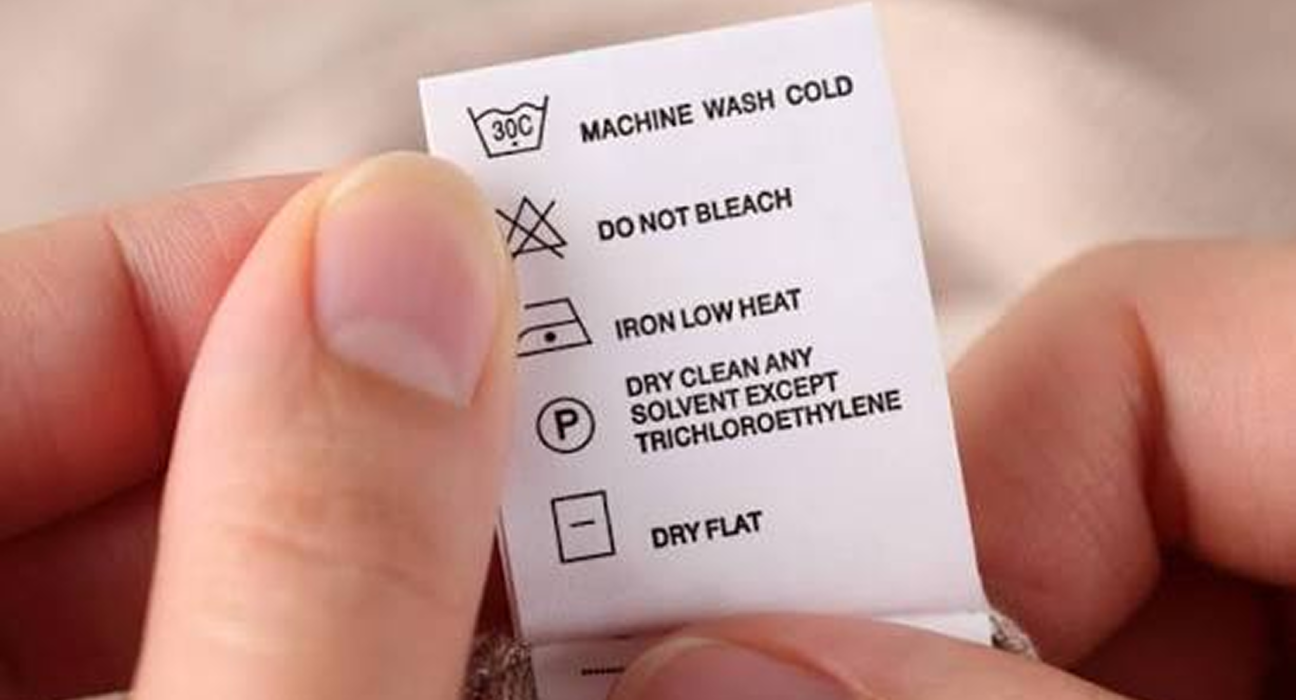
Buying a new piece of clothing is easy. Keeping it looking good after months of washing is where things can become more complicated.
A shirt may shrink, a sweater may lose its shape, dark clothing can fade, and delicate fabrics can become damaged if they are washed or dried incorrectly.
Fortunately, most garments come with a small label that tells you how to care for them.
These clothing care labels contain symbols and instructions covering washing, bleaching, drying, ironing, and professional cleaning.
Understanding these symbols can help you avoid common laundry mistakes and make your clothes last longer.
What Is a Clothing Care Label?
A clothing care label is a small tag attached to a garment that provides instructions for cleaning and maintaining it.
Depending on the clothing item, the label may include information about:
- Washing
- Water temperature
- Bleaching
- Drying
- Ironing
- Professional cleaning
- Fabric composition
The exact symbols and labeling requirements can vary depending on the country and market where the garment is sold.
Why Are Clothing Care Labels Important?
Different fabrics react differently to heat, water, chemicals, and mechanical movement.
For example, a garment may require:
- Cold washing
- Gentle washing
- Air drying
- Low-temperature ironing
- Professional cleaning
Ignoring these instructions can potentially cause shrinking, fading, stretching, or other damage.
Checking the label before washing a new garment is therefore a simple habit that can prevent unnecessary damage.
Understanding the Main Care Symbols
Most clothing care instructions can be grouped into several basic categories.
1. Washing Symbol
The washing symbol generally looks like a tub filled with water.
It tells you how the garment should be washed.
A plain washing tub generally indicates that the garment can be machine or hand washed according to the instructions.
Numbers inside the symbol indicate the maximum recommended washing temperature in systems that use temperature numbers.
For example:
- 30°C — wash at or below 30°C
- 40°C — wash at or below 40°C
- 60°C — wash at or below 60°C
The recommended temperature is a maximum, not necessarily a requirement to use that exact temperature.
Hand-Wash Symbol
A hand inside the washing tub indicates that the garment should be washed by hand or using an appropriate hand-wash cycle where available.
This is commonly found on delicate garments.
Crossed-Out Washing Symbol
A crossed-out washing tub indicates that the garment should not be washed using that method.
The label may provide another cleaning instruction instead.
What Do Lines Under the Washing Symbol Mean?
Lines underneath the washing symbol can indicate a gentler washing process.
A garment with a line underneath the washing symbol may require a reduced or gentler cycle.
Two lines can indicate an even more delicate treatment.
These instructions are particularly important for fabrics or garments that can be damaged by aggressive washing.
2. Bleaching Symbols
Bleaching instructions are represented by a triangle.
Plain Triangle
A plain triangle indicates that bleaching is permitted under the relevant care instructions.
Crossed-Out Triangle
A crossed-out triangle means do not bleach.
This is important because chlorine or other bleaching products can damage certain fabrics or dyes.
Some garments may allow only specific types of non-chlorine bleaching. Always follow the exact symbol and manufacturer’s instructions.
3. Drying Symbols
Drying instructions can be represented in several ways depending on the care-label system.
One common symbol is a square containing a circle, which relates to tumble drying.
Tumble Drying
A square with a circle indicates that tumble drying is permitted.
Dots inside the circle can indicate the appropriate heat level.
Generally:
- One dot = lower heat
- Two dots = higher heat
A crossed-out symbol means tumble drying should not be used.
Air Drying
Other symbols can indicate different air-drying methods.
These may include instructions such as:
- Line drying
- Drip drying
- Flat drying
- Drying in the shade
These instructions can be particularly important for garments that may stretch or lose their shape when hung incorrectly.
4. Ironing Symbols
The ironing symbol looks like an iron.
It indicates whether and at what temperature the garment can be ironed.
Dots inside the iron symbol indicate temperature levels.
Generally:
- One dot — low temperature
- Two dots — medium temperature
- Three dots — high temperature
A crossed-out iron indicates that the garment should not be ironed.
If you’re unsure about the appropriate setting, using a lower temperature is generally safer than starting with excessive heat.
5. Professional Cleaning Symbols
Professional cleaning instructions are commonly represented by a circle.
A plain circle can indicate that professional cleaning is appropriate.
Letters inside the circle provide information to professional cleaners about the type of cleaning process that may be suitable.
A crossed-out circle indicates that the garment should not be professionally dry cleaned using that method.
These instructions are particularly important for tailored clothing, delicate garments, and certain specialty fabrics.
What Do Fabric Composition Labels Mean?
Care labels may also tell you what a garment is made from.
Common materials include:
- Cotton
- Polyester
- Wool
- Linen
- Nylon
- Acrylic
- Viscose
- Elastane
- Silk
A garment may contain more than one material.
For example, a shirt might be made from a blend of cotton and polyester.
Fabric composition can help explain why a garment has particular care requirements.
Why Do Some Clothes Shrink?
Shrinking can happen when certain fabrics are exposed to heat, moisture, or mechanical action.
Natural fibers such as cotton and wool can be particularly sensitive to incorrect washing and drying conditions.
High temperatures can increase the risk of shrinkage for some garments.
This is why checking the recommended washing and drying instructions is important.
How to Wash Clothes Without Damaging Them
Reading the care label is only the first step.
A few practical habits can help protect your clothing.
Separate Clothes by Color
Separate laundry into groups such as:
- Whites
- Light colors
- Dark colors
- Bright colors
This can reduce the risk of unwanted color transfer.
Check Pockets
Before washing, check pockets for:
- Coins
- Tissues
- Receipts
- Pens
- Small objects
A forgotten item can damage clothing or create a mess inside the washing machine.
Turn Some Clothes Inside Out
Turning certain garments inside out before washing can help reduce visible wear and may help protect prints, graphics, and some darker fabrics.
Close Zippers
Closing zippers can help prevent them from catching on other garments.
However, care instructions should still take priority for delicate items.
Avoid Overloading the Washing Machine
An overloaded machine may not clean clothes effectively and can increase friction between garments.
Following the washing machine manufacturer’s capacity recommendations is a better approach.
How to Protect Delicate Clothes
Delicate garments often require extra care.
If the label recommends gentle or hand washing, avoid treating the garment like ordinary everyday laundry.
You may also want to:
- Use a gentle detergent
- Avoid excessive heat
- Avoid aggressive spinning
- Use a laundry bag when appropriate
- Dry according to the label
- Store the garment properly
Some delicate fabrics can be permanently damaged by incorrect washing.
Why Detergent Choice Matters
The detergent you use can also affect clothing.
Different detergents are designed for different purposes, including:
- Everyday laundry
- Dark clothing
- Delicate fabrics
- Wool
- Sensitive skin
Using more detergent than necessary does not automatically make clothes cleaner.
Excess detergent can leave residue and may make rinsing more difficult.
Follow the detergent manufacturer’s recommended dosage and adjust according to factors such as load size and water conditions.
What Does “Do Not Wring” Mean?
Some garments have instructions indicating that they should not be wrung.
Wringing involves twisting a wet garment to remove water.
This can stretch or distort certain fabrics.
For delicate clothing, gently pressing out excess water or following the garment’s specific drying instructions can be safer.
Why Should Some Clothes Be Dried Flat?
Some garments can lose their shape when hung while wet.
This can happen particularly with certain knitted or heavy fabrics.
A flat-drying instruction means the garment should be placed flat while drying.
This helps reduce stretching caused by the weight of water pulling downward on the material.
Can You Ignore the Care Label?
It is generally better not to ignore the manufacturer’s care instructions.
Care labels are designed around the characteristics of the garment and its materials.
While some people may intentionally choose a different washing method, doing so can increase the risk of:
- Shrinkage
- Color fading
- Stretching
- Fabric damage
- Shape distortion
- Surface damage
If a garment is expensive, delicate, or difficult to replace, following the label is especially worthwhile.
A Quick Clothing Care Checklist
Before washing a garment, check:
| What to Check | Why It Matters |
|---|---|
| Washing symbol | Tells you how the garment should be washed |
| Temperature | Helps prevent heat-related damage |
| Bleaching symbol | Shows whether bleach is allowed |
| Drying instructions | Helps prevent shrinking and stretching |
| Ironing symbol | Shows the appropriate heat level |
| Professional cleaning symbol | Indicates whether specialized cleaning is recommended |
| Fabric composition | Helps explain the garment’s care requirements |
Common Clothing Care Mistakes
Washing Everything Together
Different fabrics and colors may require different treatment.
Using Excessive Heat
High temperatures can damage or shrink some garments.
Ignoring Drying Instructions
Incorrect drying can affect a garment even when it was washed correctly.
Ironing at the Highest Setting
Not every fabric can tolerate high temperatures.
Using Bleach Without Checking the Label
Bleach can damage some fabrics and colors.
Wringing Delicate Garments
Twisting wet clothing can distort its shape.
Assuming Expensive Clothes Need the Same Care as Everything Else
Price does not determine care requirements. The material and construction of the garment are more important.
Final Thoughts
Clothing care labels may look like a collection of confusing symbols, but they provide useful information about how a garment should be washed, dried, ironed, and maintained.
Learning the basic symbols takes only a few minutes and can help prevent common laundry mistakes.
The simplest rule is also the most useful: check the care label before washing a garment, especially when it is new, delicate, expensive, or made from an unfamiliar material.
A little extra attention during laundry can help your clothes maintain their appearance, shape, and quality for much longer.