
How to Make a Small Room Look Bigger: 20 Simple Ideas
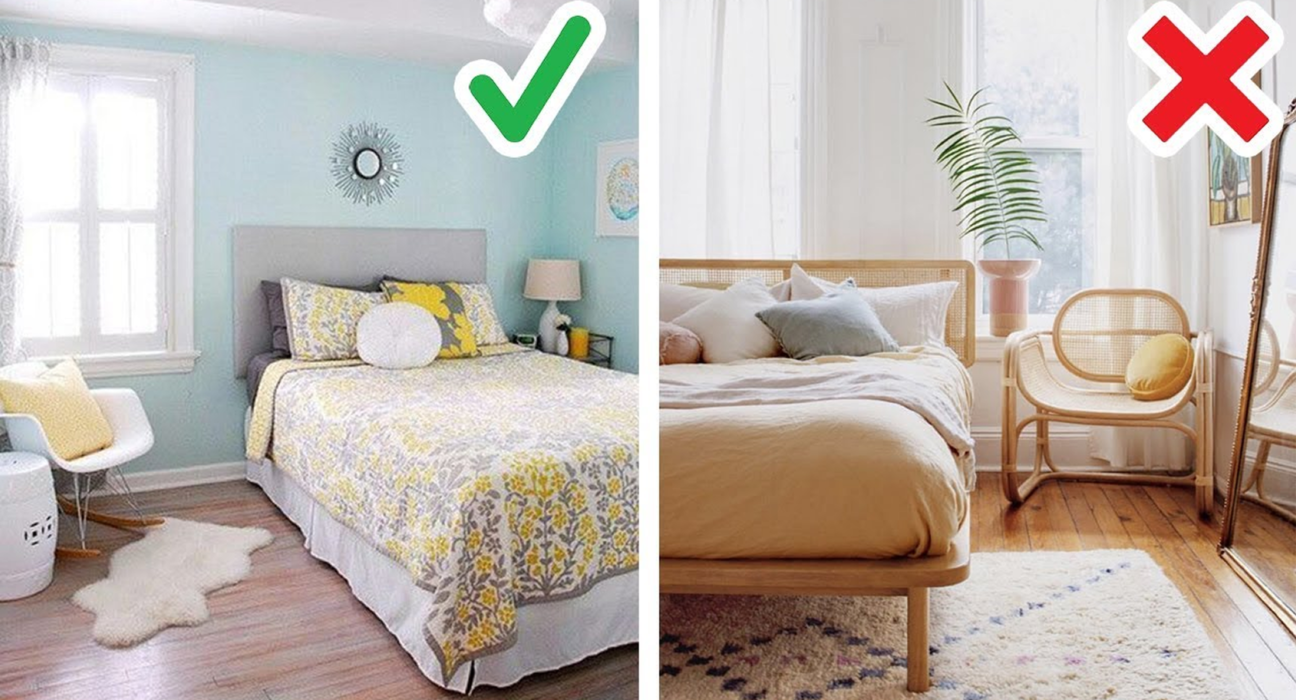
A small room doesn’t necessarily have to feel small.
The way furniture is arranged, how much natural light enters the room, the colors you choose, and even the position of a mirror can change how spacious a room feels.
You don’t always need to knock down walls or move to a larger home.
With a few thoughtful changes, you can make a compact room feel brighter, more open, and more comfortable.
Here are 20 practical ideas that can help.
1. Use Light Colors
Light colors can make a room feel more open and airy.
Consider shades such as:
- White
- Cream
- Soft beige
- Light gray
- Pale blue
- Soft green
You don’t have to make everything completely white. A combination of light neutral shades can create depth while keeping the room visually open.
2. Maximize Natural Light
Natural light can make a small space feel significantly more spacious.
Keep windows as clear as possible.
Avoid placing large furniture directly in front of windows if it blocks incoming light.
Use curtains that allow plenty of daylight into the room while still providing the privacy you need.
3. Add Mirrors
Mirrors can create the impression of additional space by reflecting light and parts of the room.
A large mirror placed strategically can have a stronger visual effect than several small decorative mirrors.
Try placing one:
- Opposite a window
- Near a light source
- On a large empty wall
- Behind a console or entryway table
4. Choose Furniture Carefully
Large furniture can quickly overwhelm a small room.
Instead, look for furniture that fits the scale of the space.
A compact sofa, smaller dining table, or appropriately sized bed can leave more visible floor area.
The goal isn’t necessarily to own less furniture.
It’s to avoid furniture that is unnecessarily large for the room.
5. Keep Some Floor Visible
Visible floor space can make a room feel more open.
Furniture with exposed legs can sometimes create a lighter visual appearance than bulky pieces that sit directly on the floor.
Even small amounts of visible floor can make a difference when a room is tightly furnished.
6. Use Furniture With Multiple Functions
Small spaces benefit from furniture that serves more than one purpose.
Examples include:
- Storage ottomans
- Sofa beds
- Beds with drawers
- Folding desks
- Extendable dining tables
- Storage benches
Multi-purpose furniture can reduce the number of separate items you need.
7. Take Advantage of Vertical Space
When floor space is limited, look upward.
Tall shelving, wall-mounted storage, and vertical cabinets can provide additional storage without taking up much floor area.
Vertical design can also draw the eye upward, making the room feel taller.
8. Keep the Floor Uncluttered
A crowded floor can make a small room feel even smaller.
Try to keep unnecessary items off the floor.
Instead of leaving:
- Bags
- Shoes
- Boxes
- Cables
- Small storage containers
everywhere, create designated storage locations.
The more organized the floor appears, the more spacious the room can feel.
9. Use Wall-Mounted Storage
Wall-mounted shelves and cabinets can free up valuable floor space.
They’re particularly useful for:
- Books
- Small plants
- Decorative items
- Work equipment
- Kitchen supplies
- Everyday essentials
Just avoid covering every wall with storage, as excessive visual clutter can have the opposite effect.
10. Choose a Consistent Color Palette
Too many contrasting colors can visually divide a small room.
A more consistent palette can create a smoother appearance.
For example:
Walls: Light beige
Furniture: Warm white and wood
Accessories: Soft neutral tones
You can still introduce color through artwork, cushions, plants, or other accents.
11. Avoid Too Many Small Decorations
A large number of small decorative objects can make a room look cluttered.
Instead of placing 15 small objects across different surfaces, consider using a few larger, carefully selected pieces.
This creates a cleaner visual hierarchy.
12. Use Curtains From Floor to Ceiling
Curtains positioned higher than the window frame can make the room appear taller.
Mounting the curtain rod closer to the ceiling and allowing the curtains to extend toward the floor can create a stronger vertical line.
Choose relatively simple curtains if the room is already visually busy.
13. Use Appropriate Lighting
Good lighting can completely change how a small room feels.
Instead of relying on one central light, consider combining:
- Ceiling lighting
- Floor lamps
- Table lamps
- Wall lighting
- Natural light
Multiple light sources can reduce dark corners and make the entire room feel more open.
14. Keep Furniture Away From Blocking Paths
A small room can feel even smaller when movement through the space is difficult.
Try to create clear walking paths.
Before placing furniture, consider:
Where do I enter?
Where do I walk?
Where do I sit?
Where do I need access?
A good layout should make movement feel natural rather than forcing you to navigate around furniture.
15. Use Transparent Furniture
Glass or transparent materials can sometimes make furniture visually disappear into the room.
For example:
- Glass coffee tables
- Acrylic chairs
- Glass shelving
These pieces can provide functionality without creating as much visual weight.
16. Use Rugs Carefully
A rug can define an area and make a room feel more finished.
However, a rug that is too small can make the space feel visually fragmented.
In many rooms, a larger rug that connects the main furniture pieces can create a more cohesive appearance.
Always consider the proportions of the room before buying one.
17. Reduce Visual Clutter
One of the simplest ways to make a small room feel larger is to remove things you don’t need.
Look around the room and ask:
- Do I use this?
- Does it have a purpose?
- Does it belong here?
- Can it be stored somewhere else?
You don’t have to adopt an extreme minimalist lifestyle.
Even removing a few unnecessary items can make the room feel noticeably cleaner.
18. Keep Surfaces Organized
Tables, shelves, desks, and countertops can quickly become cluttered.
Try to keep frequently used surfaces relatively clear.
For example, instead of filling a desk with multiple objects, keep only the items you regularly use.
Clear surfaces create visual breathing room.
19. Use One Strong Focal Point
A small room doesn’t need many competing design elements.
Choose one feature to attract attention.
It could be:
- Artwork
- A statement light
- A headboard
- A textured wall
- A large mirror
- A distinctive piece of furniture
A clear focal point can make the rest of the room feel more organized.
20. Don’t Try to Fill Every Empty Space
This is one of the most important rules.
An empty area isn’t necessarily wasted space.
Leaving some walls, surfaces, and floor areas open can make a room feel calmer and larger.
You don’t need to decorate every corner.
Sometimes the best design decision is to leave something out.
Small Room Layout Example
A simple bedroom layout might look like this:
| Area | Practical Choice |
|---|---|
| Bed | Place against the main wall |
| Storage | Use a tall wardrobe |
| Desk | Choose a compact wall-mounted design |
| Lighting | Use ceiling + task lighting |
| Mirror | Place near a window or light source |
| Decorations | Keep them minimal |
| Floor | Maintain clear walking space |
The objective is to create a clear visual flow rather than filling every available area.
Common Mistakes to Avoid
Choosing Furniture That Is Too Large
A huge sofa or oversized bed can dominate a small room.
Blocking Windows
Large furniture placed in front of windows can reduce natural light.
Using Too Many Colors
Strongly contrasting colors can visually divide the room.
Overloading Walls
Too many frames, shelves, and decorations can create visual noise.
Ignoring Storage
Without proper storage, everyday items eventually end up on floors and surfaces.
Buying Furniture Before Measuring
Always measure the room, doorways, and available space before purchasing large furniture.
The Most Important Rule
You don’t need to make your room look bigger by making it completely empty.
Instead, focus on balance.
A successful small room should have:
- Enough furniture to be comfortable
- Enough storage to stay organized
- Enough open space to move easily
- Enough light to feel bright
- Enough decoration to reflect your personality
The goal is to make the space work better, not simply make it look empty.
Final Thoughts
Making a small room feel bigger is mostly about controlling visual clutter and using the available space intelligently.
Light colors, mirrors, appropriate furniture, vertical storage, good lighting, and clear walking paths can all make a noticeable difference.
But perhaps the simplest principle is this:
Don’t try to fill every available space.
Give the room some breathing room, choose furniture that fits its proportions, and keep everyday clutter under control.
A small room can still feel comfortable, stylish, and spacious when every element has a purpose.