What Is Edge Computing? How It Works and Why It Matters
Modern digital services generate enormous amounts of data.
Smartphones, cameras, vehicles, industrial machines, sensors, websites, and connected devices continuously collect and process information.
Traditionally, much of this data has been sent to centralized data centers or cloud platforms for processing.
But sending every piece of information to a distant data center isn’t always the most efficient approach.
This is where edge computing comes in.
Edge computing moves some computing and data-processing activities closer to where the data is generated.
The result can be faster responses, reduced network traffic, and improved performance for certain applications.
What Is Edge Computing?
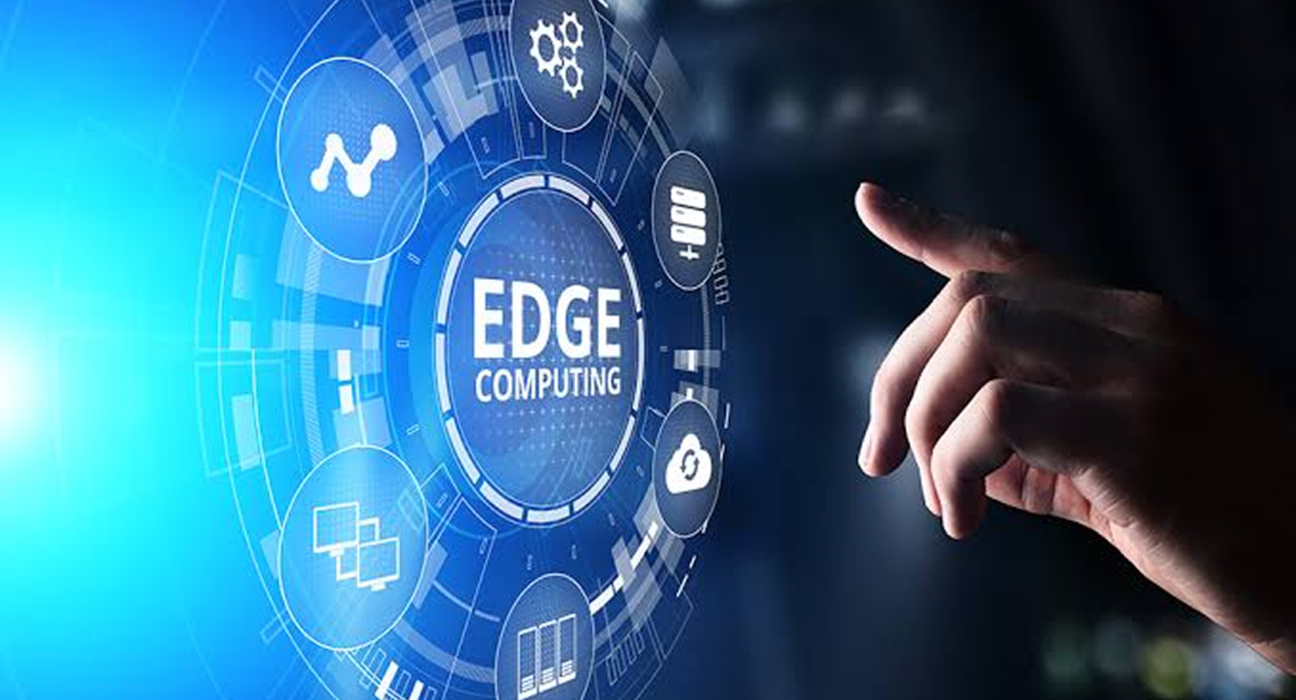
Edge computing is a computing approach in which data is processed closer to the device or location where it is generated rather than sending everything to a centralized cloud or data center.
The “edge” refers broadly to the locations near users, devices, machines, or sensors that generate data.
For example, instead of sending every piece of information from a security camera to a distant data center, some analysis could happen on a nearby device or local computing system.
The basic concept is:
Data source → Nearby processing → Faster response
rather than:
Data source → Distant data center → Processing → Response
Why Was Edge Computing Developed?
Cloud computing made it possible for organizations to access powerful computing resources without maintaining all of the necessary hardware themselves.
However, some applications have requirements that make centralized processing less practical.
These can include:
- Very low response times
- Large amounts of data
- Limited network connectivity
- Privacy requirements
- Local processing needs
- Reduced bandwidth usage
Edge computing can help address some of these challenges.
How Does Edge Computing Work?
A simple edge computing setup might include three layers:
1. Devices
These are the systems generating data.
Examples include:
- Cameras
- Sensors
- Smartphones
- Vehicles
- Industrial machines
- Smart appliances
2. Edge Infrastructure
This is where some processing takes place closer to the devices.
It could be:
- An edge server
- A local computer
- A network gateway
- An on-site data-processing system
- Specialized hardware
3. Cloud or Central Data Center
The cloud can still handle tasks that require larger-scale computing, storage, analytics, or centralized management.
Edge computing therefore doesn’t necessarily replace cloud computing.
It often works alongside it.
Edge Computing vs Cloud Computing
The biggest difference is where computing takes place.
| Edge Computing | Cloud Computing |
|---|---|
| Processing happens closer to the data source | Processing generally happens in centralized data centers |
| Can reduce response time | May involve greater network distance |
| Can reduce some network traffic | Often handles large-scale centralized workloads |
| Useful for real-time applications | Useful for scalable storage and computing |
| Can operate with limited connectivity in some setups | Usually relies more heavily on network connectivity |
In many modern systems, both approaches are used together.
What Is an Edge Device?
An edge device is a device that can collect, process, or transmit data near the point where that data is generated.
Examples can include:
- Industrial controllers
- Smart cameras
- Routers
- Sensors
- Connected vehicles
- Retail devices
- Specialized computers
Not every connected device is necessarily an edge computing device.
The key idea is that the device or nearby infrastructure participates in local processing.
Why Does Latency Matter?
Latency is the time it takes for data to travel between systems and for a response to return.
For some applications, even small delays can matter.
Consider an automated industrial machine.
If a sensor detects a potentially dangerous condition, the system may need to respond immediately.
Sending the data to a distant location, waiting for processing, and receiving a response may introduce unnecessary delay.
Local processing can potentially make the response faster.
Edge Computing and Internet of Things
Edge computing is closely connected with the Internet of Things, commonly known as IoT.
IoT devices can generate enormous amounts of information.
Imagine a factory with thousands of sensors.
Sending every raw sensor reading to a centralized cloud platform could consume significant network resources.
Instead, edge systems could analyze some information locally and send only the most relevant data to the central platform.
For example:
Sensor → Edge system → Detects unusual activity → Sends important information to cloud
This can reduce unnecessary data transmission.
Edge Computing in Smart Cities
Smart-city systems can use sensors and connected infrastructure to monitor urban environments.
Potential applications include:
- Traffic management
- Public transportation
- Parking systems
- Environmental monitoring
- Street lighting
- Security systems
Processing some information locally can help these systems respond more quickly to changing conditions.
For example, traffic systems may analyze information from nearby cameras and sensors to adjust signals or identify congestion.
Edge Computing in Manufacturing
Manufacturing is another important area for edge computing.
Factories increasingly use connected machines and sensors to monitor production.
Edge systems can potentially help with:
- Equipment monitoring
- Quality control
- Predictive maintenance
- Production optimization
- Safety monitoring
Instead of waiting for all information to reach a centralized platform, some decisions can happen closer to the machines.
Edge Computing in Healthcare
Healthcare systems generate large amounts of sensitive information.
Edge computing can potentially support applications where local processing is useful.
Examples could include:
- Medical devices
- Patient monitoring
- Diagnostic equipment
- Hospital systems
- Connected healthcare devices
However, healthcare applications require particularly careful attention to privacy, security, reliability, and regulatory requirements.
Edge Computing in Retail
Retail businesses can use connected cameras, sensors, payment systems, and inventory technologies.
Edge processing could help retailers analyze information locally for applications such as:
- Inventory monitoring
- Store analytics
- Customer movement analysis
- Security
- Equipment monitoring
Only relevant information may then need to be transferred to centralized systems.
Edge Computing and Autonomous Vehicles
Connected and autonomous vehicles can generate significant amounts of data from cameras, sensors, navigation systems, and other equipment.
A vehicle may need to process certain information immediately.
For example, detecting an object in the road cannot depend entirely on sending information to a distant data center.
Local processing can help reduce the delay between detecting an event and responding to it.
What Are the Benefits of Edge Computing?
1. Lower Latency
Processing data closer to its source can reduce the time required for certain operations.
2. Reduced Bandwidth Usage
Instead of transmitting every piece of raw data, edge systems can process information locally and send only relevant results.
3. Faster Responses
Applications that require rapid decisions can benefit from local processing.
4. Greater Resilience
Some edge systems can continue performing certain tasks even when connectivity to a central cloud system is limited.
5. Potentially Better Data Control
Keeping certain information closer to its source may help organizations design systems where less raw data needs to travel across networks.
This doesn’t automatically guarantee privacy or security, however.
What Are the Challenges?
Edge computing also introduces new challenges.
More Hardware Locations
Instead of managing only centralized infrastructure, organizations may need to manage computing systems across many locations.
Security
Every additional device or processing location can create another potential security point that needs protection.
Maintenance
Edge hardware may be installed in factories, vehicles, stores, remote facilities, or other locations where maintenance can be more difficult.
Data Management
Organizations must decide which data should be processed locally and which should be sent to centralized systems.
Cost
Deploying and maintaining distributed infrastructure can involve additional costs.
Is Edge Computing Replacing Cloud Computing?
Not necessarily.
Edge computing and cloud computing are often complementary.
The edge can handle tasks that require:
- Fast local responses
- Immediate analysis
- Reduced data transmission
The cloud can handle tasks that benefit from:
- Large-scale storage
- Centralized analytics
- Machine learning workloads
- Data aggregation
- Long-term management
A modern system may therefore look like:
Devices → Edge → Cloud
rather than choosing only one approach.
Edge Computing and Artificial Intelligence
Artificial intelligence can also benefit from edge computing.
Traditional AI applications may send data to centralized servers for processing.
Edge AI allows some AI processing to happen directly on or near the device.
For example, a smart camera could analyze video locally rather than continuously uploading all footage for processing.
Potential benefits include:
- Faster responses
- Reduced bandwidth requirements
- Local decision-making
- Greater control over certain data
The exact capabilities depend on the hardware and AI model being used.
Does Edge Computing Require the Internet?
Not always for every task.
Some edge systems can perform certain operations locally without continuously communicating with a cloud service.
However, many real-world edge deployments still rely on network connectivity for:
- Software updates
- Centralized monitoring
- Data synchronization
- Remote management
- Cloud-based analytics
Edge computing reduces dependence on distant processing for some workloads, but it doesn’t necessarily eliminate networks.
A Simple Example of Edge Computing
Imagine a smart security camera.
Traditional Approach
Camera → Internet → Cloud server → Video analysis → Alert
Edge Approach
Camera → Local AI processing → Detects unusual activity → Alert
The edge approach can potentially reduce the amount of video that needs to be transmitted continuously.
The cloud could still receive selected clips, alerts, or summarized information.
The Future of Edge Computing
As more devices become connected, the amount of data generated at the network’s edge will continue to grow.
Technologies such as:
- Artificial intelligence
- 5G
- Robotics
- Autonomous systems
- Industrial IoT
- Smart infrastructure
- Connected vehicles
can all increase the importance of local processing.
Rather than moving every piece of data to a centralized location, future computing systems are likely to distribute processing across devices, edge infrastructure, and cloud platforms.
Final Thoughts
Edge computing is about moving computing closer to where data is created.
It can help reduce latency, limit unnecessary data transfers, support faster decisions, and improve the performance of applications that need local processing.
It isn’t a replacement for cloud computing.
Instead, the two approaches can work together: the edge handles time-sensitive or local tasks, while the cloud provides centralized computing, storage, and analytics.
As connected devices and AI-powered applications continue to expand, understanding edge computing will become increasingly important for understanding how modern digital systems operate.