What Is a Recession? Causes, Signs, and Effects Explained
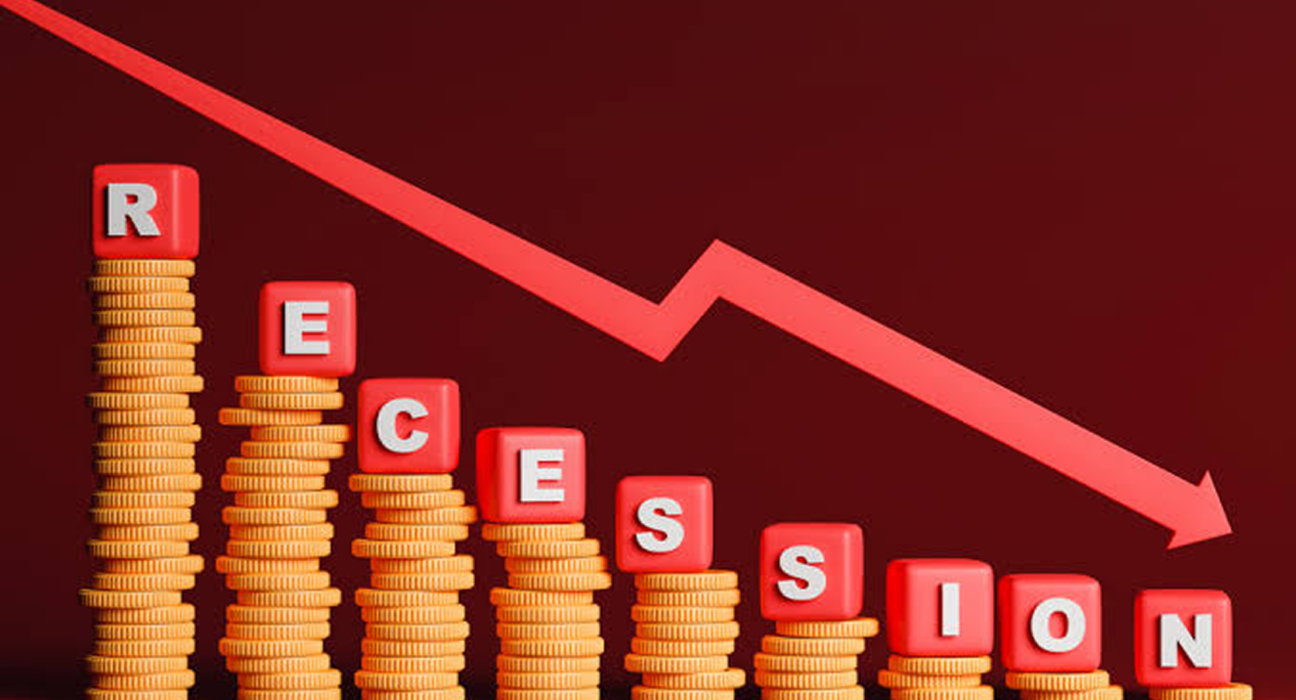
The economy does not always grow at the same pace.
There are periods when businesses expand, employment increases, consumers spend more, and economic activity rises. There are also periods when economic activity slows significantly.
When that slowdown becomes broad and persistent, economists may describe the economy as being in a recession.
Recessions can affect almost everyone, from businesses and investors to workers and households.
But what exactly causes a recession? How is one identified? And what happens to jobs, prices, investments, and everyday spending when the economy contracts?
Let’s break it down.
What Is a Recession?
A recession is a significant decline in economic activity across an economy.
During a recession, several parts of the economy may weaken at the same time, including:
- Consumer spending
- Business investment
- Industrial production
- Employment
- Income
- Sales
- Overall economic output
A recession is therefore broader than simply saying that one industry or company is performing poorly.
It describes a wider economic slowdown.
How Is a Recession Identified?
There is no single worldwide formula used to officially declare every recession.
Economists and institutions examine a range of economic indicators, including:
- Gross domestic product
- Employment
- Income
- Consumer spending
- Industrial production
- Business activity
Some people associate a recession with two consecutive quarters of declining real GDP.
However, that is a simplified rule of thumb rather than a universal definition.
Economic authorities may consider several indicators and the broader duration and severity of the slowdown.
What Causes a Recession?
Recessions can happen for many different reasons.
There is rarely one single cause.
Some common factors include:
1. Falling Consumer Spending
Consumer spending represents a major part of economic activity in many economies.
If households become worried about their income, employment, debt, or future economic conditions, they may reduce spending.
Lower spending can affect businesses.
Businesses may then reduce production, investment, or hiring.
This can create a cycle of weaker economic activity.
2. Higher Interest Rates
Central banks may raise interest rates to control inflation.
Higher borrowing costs can make:
- Mortgages more expensive
- Business loans more expensive
- Consumer borrowing more expensive
- Investment less attractive
As borrowing slows, economic activity can also weaken.
Higher interest rates do not automatically cause a recession, but they can contribute to an economic slowdown under certain conditions.
3. Financial Market Problems
Major financial problems can spread through the economy.
For example, problems within banks or financial institutions can reduce the availability of credit.
When businesses and households find it harder to borrow, spending and investment may decline.
Severe financial instability can therefore contribute to a recession.
4. Business Investment Declines
Companies invest in factories, technology, equipment, offices, research, and expansion.
When businesses become uncertain about future demand, they may postpone these investments.
Lower investment can reduce economic activity and affect industries that depend on business spending.
5. Major Economic Shocks
Unexpected events can disrupt economic activity.
Examples may include:
- Natural disasters
- Major geopolitical disruptions
- Energy supply shocks
- Global health emergencies
- Severe financial disruptions
The economic impact depends on the scale and duration of the event.
What Happens During a Recession?
A recession can affect different parts of the economy in different ways.
Businesses May Reduce Spending
Companies facing weaker demand may:
- Reduce expansion
- Delay hiring
- Cut expenses
- Reduce production
- Postpone investments
Some businesses may also close if they cannot remain financially viable.
Unemployment Can Increase
When businesses reduce activity, some may need fewer workers.
This can lead to:
- Hiring freezes
- Reduced working hours
- Layoffs
- Higher unemployment
However, the effect varies significantly between recessions and industries.
Consumers May Become More Cautious
People may become more careful with their money.
They may postpone:
- Cars
- Electronics
- Travel
- Home improvements
- Other major purchases
Essential spending may continue, but discretionary spending can weaken.
Investment Markets Can Become Volatile
Financial markets often respond to expectations about future economic conditions.
During recessions, investors may become more cautious.
Stock prices can fall, fluctuate significantly, or behave differently across industries.
However, markets do not always move in exactly the same direction as the broader economy.
Does a Recession Always Mean Prices Fall?
Not necessarily.
This is an important distinction.
A recession refers primarily to declining economic activity.
Inflation refers to a sustained increase in the general level of prices.
The two can occur together.
An economy can experience weak growth while prices continue rising.
This situation can create significant challenges for households because incomes may not keep pace with living costs.
Recession vs Inflation
These terms describe different economic conditions.
| Recession | Inflation |
|---|---|
| Decline in economic activity | General increase in prices |
| Can involve rising unemployment | Can reduce purchasing power |
| Businesses may reduce investment | Businesses may face higher costs |
| Consumer spending may weaken | Consumers may face higher living costs |
| Economic output can decline | Price levels can continue increasing |
Understanding the difference is important because governments and central banks may respond differently depending on the economic problem.
How Does a Recession Affect Jobs?
Employment is often one of the most visible effects of an economic slowdown.
Companies may become more cautious about hiring.
Some businesses may reduce staff if revenue falls significantly.
Workers may therefore experience:
- Fewer job opportunities
- Slower wage growth
- Reduced working hours
- Higher competition for available jobs
However, not every industry experiences the same level of impact.
Some sectors may remain relatively resilient while others experience significant declines.
How Does a Recession Affect Small Businesses?
Small businesses can be particularly sensitive to changes in consumer demand.
A slowdown can affect:
- Sales
- Cash flow
- Hiring
- Inventory
- Access to financing
- Expansion plans
Businesses with strong cash reserves and manageable expenses may have more flexibility during difficult economic periods.
How Does a Recession Affect Large Companies?
Large companies can also face significant challenges.
They may respond by:
- Reducing operating costs
- Delaying investments
- Restructuring operations
- Reducing hiring
- Adjusting product strategies
However, larger companies may sometimes have greater access to financing and more diversified revenue sources.
The impact depends heavily on the industry and company’s financial position.
How Does a Recession Affect Households?
For households, the effects can vary significantly.
Some people may experience:
- Job losses
- Lower income
- Higher financial uncertainty
- Reduced investment values
- Difficulty obtaining credit
Others may experience relatively little direct impact.
Household financial stability, industry exposure, savings, debt, and employment conditions all matter.
How Does a Recession Affect the Stock Market?
Stock markets and the broader economy are connected, but they are not identical.
Stock prices reflect expectations about future company earnings and economic conditions.
During a recession:
- Some companies may experience falling revenue.
- Corporate earnings may decline.
- Investors may become more cautious.
- Market volatility may increase.
However, stock markets can sometimes begin recovering before the economy has fully recovered.
This happens because financial markets are forward-looking.
Can a Recession Be Predicted?
Predicting recessions precisely is extremely difficult.
Economists monitor many indicators, including:
- Employment
- Consumer spending
- Business investment
- Interest rates
- Credit conditions
- Industrial production
- Housing activity
- Consumer confidence
These indicators can provide clues about economic conditions.
However, no single indicator can reliably predict every recession.
Economic systems are highly interconnected and constantly changing.
What Is a Technical Recession?
The phrase technical recession is sometimes used to describe two consecutive quarters of declining real GDP.
However, this is a simplified measure.
An economy can experience meaningful weakness without fitting neatly into that definition.
Likewise, a short period of declining GDP does not necessarily capture the full economic picture.
This is why economists often consider multiple indicators.
How Long Does a Recession Last?
There is no fixed duration.
Some recessions are relatively short.
Others can last considerably longer.
Their severity also varies.
A recession’s duration can depend on factors such as:
- The original cause
- Financial conditions
- Government policy
- Consumer behavior
- Business investment
- Global economic conditions
Recovery can also happen at different speeds across industries and regions.
What Is a Recovery?
An economic recovery occurs when economic activity begins improving after a downturn.
During recovery, businesses may gradually:
- Increase production
- Hire more workers
- Restart investments
- Expand operations
Consumers may also regain confidence and increase spending.
However, recovery is not always immediate or evenly distributed.
Some industries and households may recover faster than others.
How Can Individuals Prepare for an Economic Downturn?
Nobody can predict exactly when the next recession will occur.
However, basic financial preparation can improve resilience.
Consider:
Build Emergency Savings
An emergency fund can help cover unexpected expenses or income disruptions.
Manage Debt Carefully
High debt payments can become more difficult to manage when income falls.
Avoid Unnecessary Financial Commitments
Taking on large new financial obligations during uncertain conditions can increase risk.
Maintain Useful Skills
Professional skills and adaptability can become particularly valuable when employment conditions change.
Review Your Expenses
Understanding where your money goes makes it easier to adjust spending if circumstances change.
How Can Businesses Prepare?
Businesses can also improve resilience before economic conditions weaken.
Useful measures may include:
- Maintaining adequate cash reserves
- Monitoring expenses
- Avoiding unnecessary debt
- Diversifying revenue
- Understanding customer demand
- Improving operational efficiency
- Planning different financial scenarios
The goal is not necessarily to stop investing.
It is to make sure the business can continue operating if conditions become more difficult.
Can Governments Help During a Recession?
Governments and central banks have several tools that may be used during economic downturns.
Depending on the circumstances, authorities may consider:
- Fiscal spending
- Tax measures
- Interest-rate changes
- Financial-sector support
- Employment programs
- Other economic policies
The appropriate response depends on the cause and nature of the downturn.
Policies designed to support economic activity can also have other consequences, so policymakers must balance multiple objectives.
Is Every Economic Slowdown a Recession?
No.
Economic growth can slow without the economy entering a recession.
For example, an economy might grow more slowly than before but still continue expanding.
A recession generally involves a more significant and broad-based decline in economic activity.
Final Thoughts
A recession is a broad economic slowdown that can affect businesses, workers, consumers, investors, and governments.
It can be caused by many factors, including falling consumer spending, higher borrowing costs, financial instability, declining investment, or major economic shocks.
The effects can also vary widely.
Some people and industries may experience severe disruption, while others may remain relatively stable.
Understanding what a recession is—and what it is not—can make economic news easier to interpret and help individuals think more clearly about their own financial decisions.
The most useful approach is not to try to predict every economic downturn.
Instead, focus on maintaining sound financial habits, understanding economic conditions, and preparing for different possibilities.