How to Choose a Movie to Watch: A Simple Guide

Choosing a movie should be easy.
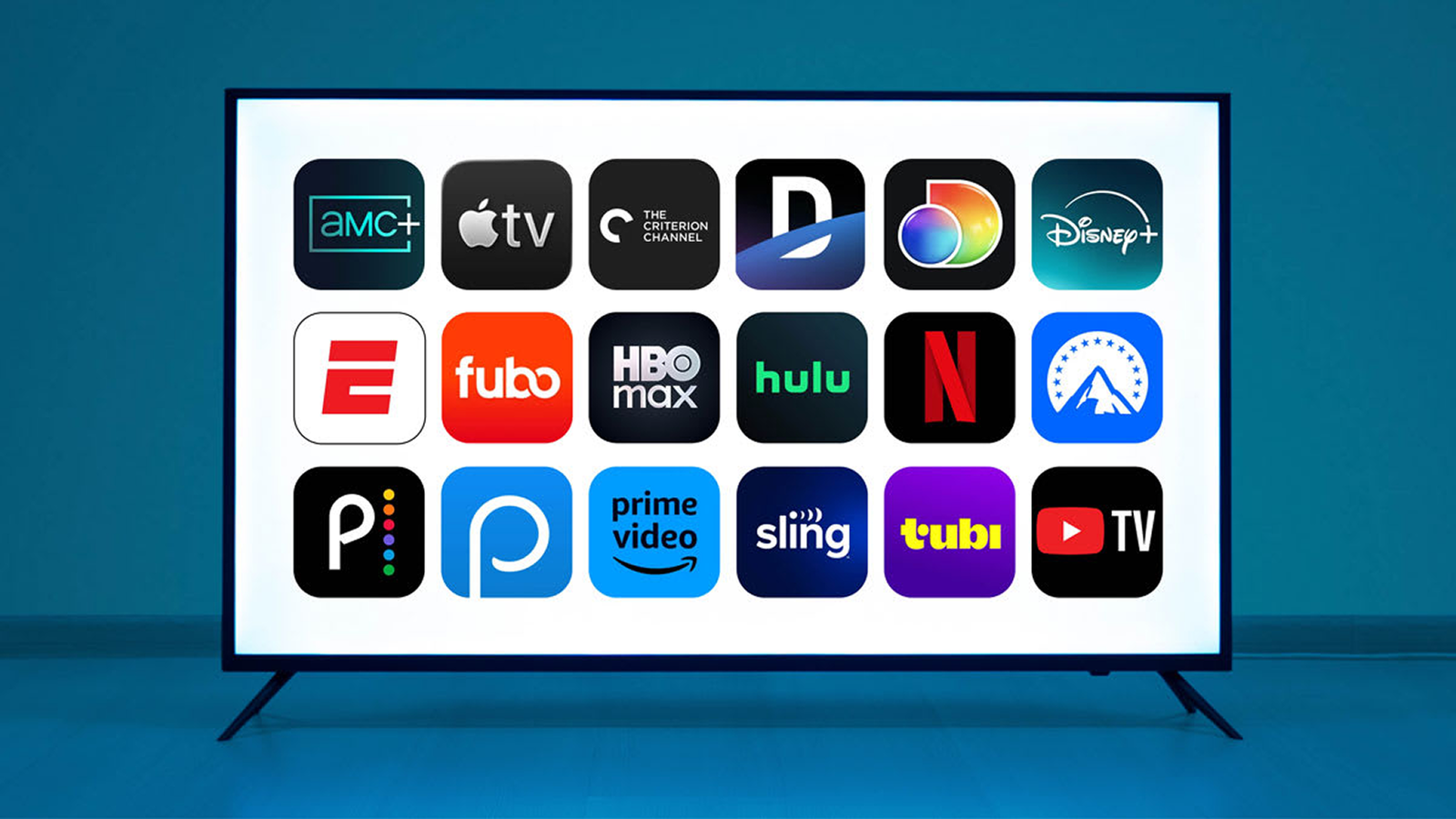
You open a streaming service, browse for a few minutes and pick something you want to watch.
But that’s not always what happens.
Instead, you can spend 20 minutes scrolling through hundreds of titles without choosing anything. One movie looks interesting, another has better reviews, and another has an actor you like.
Eventually, you may spend more time choosing a movie than actually watching one.
The solution is to stop trying to find the perfect movie and instead choose a movie that fits your mood, available time and interests.
Here’s a simple system for doing exactly that.
Start With Your Mood
The first question shouldn’t be:
“What is the best movie?”
Ask:
“What do I feel like watching right now?”
Your mood can immediately narrow down hundreds of choices.
For example:
| If You’re Feeling… | Consider… |
|---|---|
| Relaxed | Comedy or feel-good drama |
| Excited | Action or adventure |
| Curious | Mystery or documentary |
| Emotional | Drama or romance |
| Nervous | Thriller or horror |
| Nostalgic | Classic or familiar movie |
| Energetic | Action or sports |
| Thoughtful | Science fiction or psychological drama |
| Looking for family time | Animation or family adventure |
The “best” movie depends heavily on what you want from the experience.
1. Decide How Much Time You Have
Your available time should influence your choice.
If you have only 90 minutes, selecting a three-hour epic may not be ideal.
Before browsing, decide approximately how much time you have.
Short Viewing Session
Look for movies around 90 minutes.
Normal Movie Night
Around 90–120 minutes gives you plenty of options.
Long Movie Night
If you have several hours, longer films or even a double feature can work.
Checking the runtime before starting can prevent the frustrating situation of stopping halfway through a movie.
2. Choose a Genre
Genre is one of the easiest ways to narrow down your options.
Common genres include:
- Action
- Adventure
- Comedy
- Drama
- Horror
- Thriller
- Romance
- Science fiction
- Fantasy
- Animation
- Documentary
- Mystery
- Crime
- Family
- Historical
You don’t have to limit yourself to one genre.
Some of the most interesting movies combine several.
For example:
Science fiction + thriller
Comedy + romance
Crime + drama
Fantasy + adventure
If you usually enjoy one genre, try a movie that combines it with another.
3. Think About the Story You Want
Two movies from the same genre can create completely different experiences.
Ask yourself what type of story you’re interested in.
Do you want:
- A fast-paced plot?
- A character-driven story?
- A mystery to solve?
- A romantic relationship?
- A major adventure?
- A surprising ending?
- A light comedy?
- An emotional story?
- A complex fictional world?
This can be more useful than simply searching for the highest-rated movie.
4. Check the Runtime
Runtime is easy to overlook.
A movie that looks interesting may not fit your schedule.
Before pressing play, check:
Runtime + your available time
Also remember that the total viewing experience may include trailers, opening credits and interruptions if you’re watching at home.
If you’re tired or only have limited time, a shorter movie may be a better choice.
5. Check Reviews, But Don’t Depend on Them Completely
Reviews can help you eliminate movies you’re unlikely to enjoy.
However, don’t treat ratings as absolute truth.
A movie with a high rating isn’t automatically right for you.
For example, a critically acclaimed slow-paced drama may receive excellent reviews but be a poor choice if you’re looking for a fast action movie.
Use reviews to answer questions such as:
- Is the movie generally well received?
- Is the story engaging?
- Is the acting considered strong?
- Is the pacing slow or fast?
- Are there common complaints?
Then make your own decision.
6. Look at the Audience Rating
Professional critics and regular viewers can have very different opinions.
A movie may receive strong critical reviews but a mixed audience response.
Another movie may be popular with audiences despite receiving less attention from critics.
Checking both perspectives can give you a better understanding of what you’re getting into.
7. Don’t Judge a Movie Only by Its Rating
A rating is a useful signal, not a guarantee.
Imagine two movies:
Movie A: 8.8/10
Movie B: 7.3/10
You might assume Movie A is automatically better.
But if Movie A is a slow three-hour historical drama and Movie B is a fast-paced comedy that matches your mood, Movie B may be the better choice for tonight.
The right movie isn’t necessarily the highest-rated movie.
It’s the movie that best matches your current preferences.
8. Check the Cast
Actors can be a useful deciding factor.
If you already enjoy an actor’s work, exploring another movie featuring them can be a good strategy.
You can also look at:
- Director
- Writers
- Producers
- Previous films in the franchise
If you enjoyed a particular movie, check who made it.
You may discover another movie from the same director or writer that fits your taste.
9. Use Movies You’ve Already Enjoyed
One of the easiest recommendation systems is your own viewing history.
Think of five movies you really enjoyed.
Then identify what they have in common.
Maybe you enjoy:
- Strong characters
- Dark humor
- Unexpected endings
- Fast pacing
- Beautiful cinematography
- Historical settings
- Science fiction
- Romantic stories
- Complex mysteries
Once you identify the pattern, search for movies with similar characteristics.
This is often more useful than generic “best movies” lists.
10. Explore the Director
If you love the style of a particular filmmaker, explore their other work.
Directors often have recognizable preferences involving:
- Visual style
- Storytelling
- Pacing
- Themes
- Character development
- Humor
You don’t have to like every movie from the same director, but their filmography can provide a useful starting point.
11. Consider Whether You Want Something New or Familiar
Sometimes you want to discover something completely new.
Other times, you want a movie you already know you’ll enjoy.
Both are valid.
Familiar Choice
Choose:
- A favorite movie
- A sequel
- A franchise
- A remake
- A movie you’ve watched before
New Discovery
Choose:
- A new director
- An unfamiliar actor
- A foreign-language film
- An independent movie
- A different genre
You can even create a simple rule:
One familiar movie → one new discovery
This keeps your viewing habits from becoming repetitive.
12. Don’t Ignore International Cinema
If you usually watch movies from only one country, expanding your search can dramatically increase your options.
Explore films from:
- South Korea
- Japan
- France
- Spain
- Germany
- Italy
- India
- Mexico
- Scandinavia
- Other international markets
Subtitles can take a little adjustment, but international cinema offers different storytelling styles, genres and cultural perspectives.
13. Consider the Language
Language can matter depending on your mood.
Sometimes you’re happy to watch a subtitled film.
Other times you want something you can watch casually without reading subtitles.
If you’re tired or multitasking, a movie in a familiar language may be easier.
If you’re fully focused on the movie, international films can be a great choice.
14. Decide Whether You Want a Franchise
Sometimes you want a standalone story.
Other times you want something you can continue watching across multiple movies.
If you choose a franchise, check the recommended viewing order.
This is particularly useful for large cinematic universes where chronological order and release order can differ.
Don’t start with a random sequel unless you’re comfortable missing previous story elements.
15. Consider Watching With Other People
Your audience matters.
A movie you choose alone may not be the best choice for:
- Children
- Parents
- Friends
- A partner
- A large group
Before choosing, consider everyone’s preferences.
For group viewing, broad genres such as comedy, adventure and animation can sometimes work better than highly specialized films.
16. Check Age Ratings and Content Warnings
If you’re watching with children or people who prefer certain content restrictions, check the appropriate rating and content information.
Depending on the movie, this may include:
- Violence
- Strong language
- Sexual content
- Drug use
- Horror
- Disturbing themes
Checking beforehand can prevent an uncomfortable surprise.
17. Check Where the Movie Is Available
Finding a great movie doesn’t help if you can’t legally access it through the services you use.
Before deciding, check whether it is available through:
- Your streaming subscriptions
- Rental services
- Digital purchase
- Physical media
- Other legitimate platforms available in your region
Availability can change, so don’t assume that a movie is permanently included with a particular service.
18. Use a Three-Movie Shortlist
If you’re overwhelmed by choices, stop browsing.
Pick three movies.
For example:
Movie A: Comedy
Movie B: Thriller
Movie C: Science fiction
Then choose one.
This prevents endless scrolling.
You can also use a simple rule:
First movie that looks genuinely interesting wins.
The goal is to watch a movie, not to conduct an hour-long research project.
19. Avoid Spoilers
When researching a movie, be careful with reviews and search results.
Avoid reading detailed plot summaries if you want to experience the story naturally.
You can usually get enough information from:
- Short synopsis
- Genre
- Runtime
- Rating
- Cast
- Director
- General review sentiment
You don’t need to know the ending to decide whether a movie is worth watching.
20. Trust Your Own Taste
This may be the most important rule.
If you enjoy a movie that critics dislike, that’s okay.
If you don’t enjoy a highly rated movie, that’s okay too.
Entertainment is subjective.
Reviews, rankings and recommendations can help you discover something, but they shouldn’t determine what you’re allowed to enjoy.
A Simple Movie Selection Formula
If you’re stuck, use this five-step process:
Step 1: Mood
What do I feel like watching?
Step 2: Time
How long do I have?
Step 3: Genre
What type of story sounds interesting?
Step 4: Quality Check
Do the reviews and audience response look reasonable?
Step 5: Availability
Can I watch it through a service or platform I already use?
If all five answers work, press play.
What to Do When Nothing Looks Interesting
Sometimes the problem isn’t that there are no good movies.
You may simply have too many choices.
When this happens, try one of these approaches:
Pick a Director
Choose a director whose work you’ve enjoyed.
Pick an Actor
Choose a favorite actor and select a movie you’ve never seen.
Pick a Decade
Watch a movie from a specific decade.
Pick a Country
Explore cinema from another country.
Pick a Genre You Rarely Watch
Step outside your usual preferences.
Rewatch a Favorite
Sometimes a familiar movie is exactly what you need.
Build Your Own Watchlist
Instead of searching for a movie every night, maintain a simple watchlist.
You could divide it into:
- Must Watch
- Weekend Movies
- Short Movies
- Long Movies
- Comedy
- Thriller
- Family
- International
- Rewatch
When you’re ready to watch something, choose from the list instead of starting from zero.
Final Thoughts
Choosing a movie doesn’t have to become an endless scrolling session.
Start with your mood, consider how much time you have, choose a genre, check the cast and reviews, and make sure the movie is available where you want to watch it.
Most importantly, remember that the best movie isn’t necessarily the highest-rated movie.
It’s the one that gives you the experience you’re looking for at that moment.
So instead of asking:
“What’s the best movie to watch?”
Try asking:
“What kind of experience do I want tonight?”
That question can make choosing your next movie much easier.