The Biggest Technology Trends Shaping 2026
Technology is moving faster than ever. Artificial intelligence is becoming part of everyday software, smart devices are becoming more connected, and new developments in robotics, computing and digital services are changing the way people work, communicate and spend their time.
Some technologies that once seemed futuristic are now becoming practical products and services. At the same time, established technologies are evolving in ways that could have a major impact over the next few years.
From AI-powered tools and smarter devices to robotics, cybersecurity and connected technology, here are some of the biggest technology trends shaping 2026.
1. Artificial Intelligence Is Becoming Part of Everyday Life
Artificial intelligence remains one of the biggest technology trends of the decade.
AI is no longer limited to research laboratories or specialized software. It is increasingly being built into search engines, smartphones, productivity applications, customer service platforms, creative tools and business software.
Generative AI can help people write content, create images, summarize information, analyze data, generate software code and complete everyday tasks.
The next stage of AI is expected to focus less on simply generating content and more on helping people complete tasks.
AI assistants are becoming more capable of understanding context, working across different applications and handling multiple steps in a workflow.
For consumers, this could mean smartphones, computers and other devices becoming more useful without requiring users to manually perform every step.
2. AI-Powered Devices Are Growing
The influence of AI is also moving directly into consumer hardware.
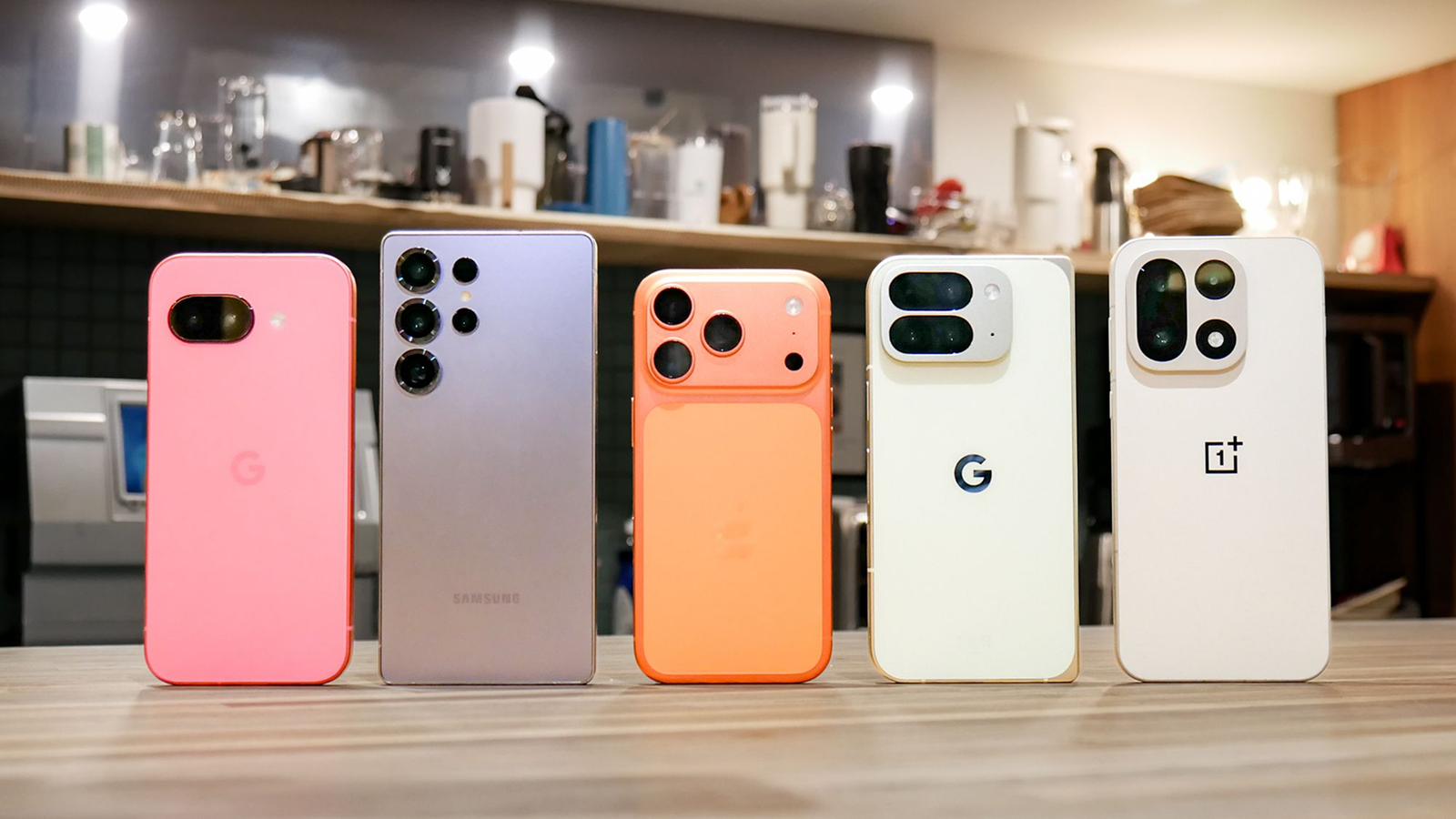
Smartphones, laptops, wearables and other devices are increasingly being designed with dedicated hardware and software capabilities for AI-related tasks.
Instead of sending every request to a remote server, some AI functions can be processed directly on a device. This can improve response times and may provide additional privacy benefits for certain applications.
AI-powered devices could eventually make features such as translation, photo editing, voice assistance, personal organization and accessibility tools more seamless.
This trend is likely to make AI less visible as a separate technology and more integrated into products people already use every day.
3. Robotics Is Moving Beyond Factories
Robots have been used in manufacturing for decades, but advances in AI, sensors and computing are expanding their potential applications.
Modern robotics research is increasingly focused on machines that can operate in environments designed for humans.
This includes warehouse robots, delivery systems, agricultural machines, healthcare applications and increasingly sophisticated humanoid robots.
One of the biggest challenges is teaching robots to understand unpredictable real-world environments.
AI could help robots interpret their surroundings, recognize objects, understand instructions and adapt to changing situations.
Although widespread household humanoid robots are still a developing area, robotics is becoming an increasingly important part of the technology landscape.
4. Smart Homes Are Becoming More Connected
Smart home technology continues to evolve as more household devices become connected.
Smart lights, security cameras, thermostats, televisions, appliances and other devices can communicate with each other through connected ecosystems.
The bigger trend is moving beyond individual smart products toward homes where different devices can work together.
For example, a connected home could automatically adjust lighting, temperature and security settings based on the time of day or the homeowner’s preferences.
As interoperability improves, smart home technology could become easier for consumers to configure and use.
5. Wearable Technology Is Expanding
Smartwatches and fitness trackers have already become mainstream, but wearable technology continues to expand.
New generations of wearable devices are exploring more advanced sensors, health-related monitoring, connectivity and AI-powered features.
Beyond watches, the wearable market includes smart glasses, headphones, rings and other compact devices.
Smart glasses are particularly interesting because they could provide information without requiring users to constantly look at a smartphone.
The long-term direction of wearable technology is toward making digital information more accessible while reducing the need to interact with traditional screens.
6. Cybersecurity Is Becoming More Important
As more parts of everyday life become connected, cybersecurity becomes increasingly important.
Consumers now rely on digital services for banking, shopping, communication, entertainment, work and personal data.
At the same time, cyber threats are becoming more sophisticated.
Artificial intelligence is being used by cybersecurity teams to detect unusual activity and identify potential threats, but the same technology can also be used by attackers to automate certain types of malicious activity.
This means organizations and individuals will need stronger security practices, better authentication and greater awareness of digital threats.
Cybersecurity is therefore no longer simply an IT concern. It is becoming an essential part of everyday digital life.
7. Cloud Computing Continues to Evolve
Cloud computing remains one of the foundations of modern digital services.
Businesses use cloud infrastructure to store data, run applications, analyze information and deliver services to customers around the world.
The next phase of cloud computing is increasingly focused on combining cloud infrastructure with AI, automation and specialized computing resources.
At the same time, edge computing is becoming important for applications that require fast processing close to where data is generated.
This combination of cloud and edge computing could support applications such as connected vehicles, industrial automation, smart cities and real-time AI systems.
8. The Future of Gaming Is Becoming More Connected
Gaming continues to evolve beyond traditional consoles and PCs.
Cloud gaming, mobile gaming, cross-platform play and online communities are changing how people access and experience games.
Artificial intelligence is also being explored for game development, character behavior, personalization and content creation.
Meanwhile, improvements in graphics technology and faster internet connections are helping developers create increasingly detailed and interactive digital worlds.
The gaming industry is therefore becoming closely connected with other areas of technology, including AI, cloud computing, virtual environments and social platforms.
9. Digital Payments and Financial Technology Are Growing
Technology is also changing how people manage and spend money.
Digital wallets, contactless payments, online banking and financial applications have become part of everyday life in many markets.
Financial technology companies are continuing to develop services that make payments, money management and financial information more accessible.
AI is also being used in areas such as fraud detection, customer support and financial analysis.
As digital financial services expand, security and privacy will remain important considerations.
10. Technology Is Becoming More Energy Efficient
As demand for computing power increases, energy efficiency is becoming an increasingly important technology challenge.
AI systems, data centers and connected devices require significant computing resources, creating greater interest in efficient chips, cooling systems, renewable energy and better infrastructure.
Technology companies are therefore looking for ways to deliver more computing performance while reducing energy consumption.
This could influence everything from smartphone processors to large-scale data centers.
What Comes Next?
The most important technology trend of 2026 may not be a single product or invention.
Instead, it is the growing connection between different technologies.
AI is being combined with smartphones, robotics, cloud computing, cybersecurity, gaming and consumer electronics. Sensors are making devices more aware of their surroundings, while faster networks and cloud infrastructure allow information to move between systems more efficiently.
This convergence could create products and services that are very different from today’s technology.
For consumers, the biggest change may be that technology becomes less noticeable. Instead of constantly opening separate applications and devices, people may increasingly interact with intelligent systems that understand context and help complete tasks automatically.
Final Thoughts
Technology in 2026 is moving toward greater intelligence, connectivity and automation.
Artificial intelligence is becoming more accessible, robotics is expanding into new environments, wearable devices are becoming more capable and connected products are becoming part of everyday life.
Not every emerging technology will become mainstream, and some developments will take years to mature. However, the direction is clear: technology is becoming increasingly integrated into the way people work, communicate, travel, shop and entertain themselves.
The years ahead could bring significant changes as these technologies continue to develop and work together.