Why Airports Make You Want to Shop Before You Fly
You arrive at the airport with one goal.
Get through security.
Find your gate.
Board the plane.
Then something strange happens.
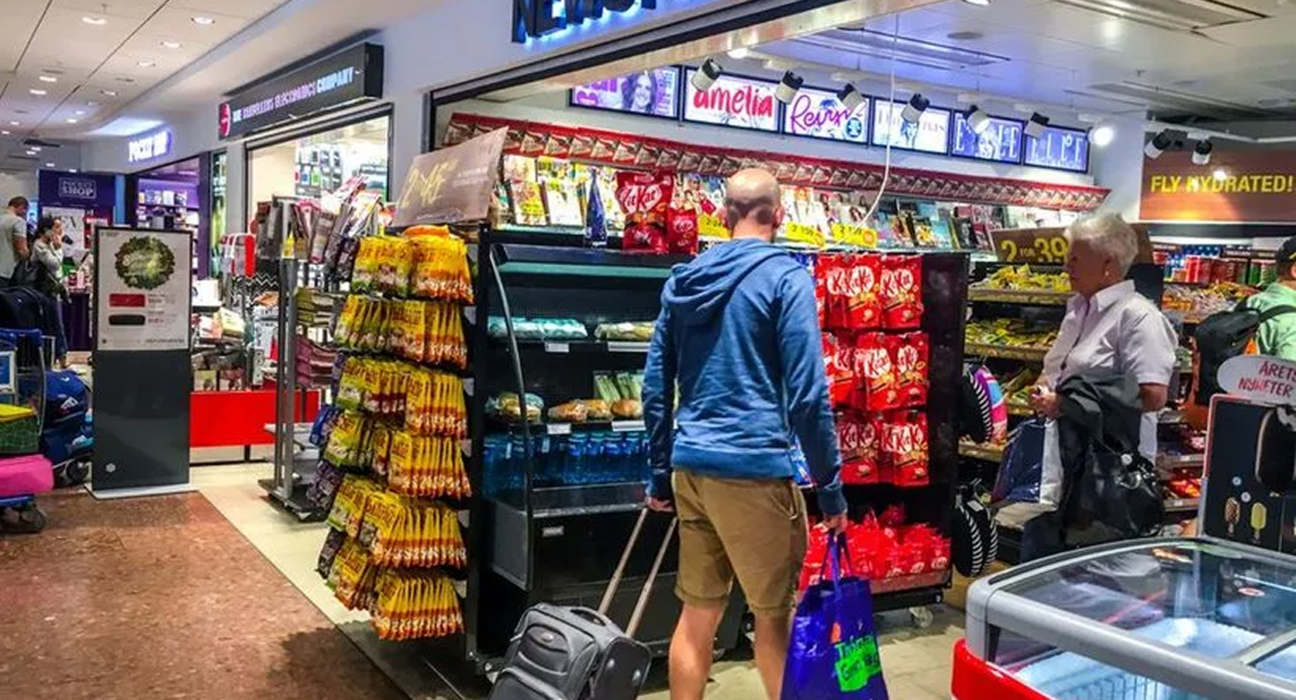
You suddenly find yourself looking at watches you weren’t planning to buy, perfumes you’ve never heard of, snacks you didn’t know existed and expensive headphones displayed under perfectly designed lighting.
You might even have several hours before your flight.
So you walk around.
And eventually, you buy something.
Maybe it is a coffee.
Maybe it is a souvenir.
Maybe it is something much more expensive.
This isn’t entirely accidental.
Modern airports are designed not only to move people from one place to another, but also to influence how those people spend their time — and their money.
An Airport Is More Than a Transportation Hub
The traditional idea of an airport is simple.
People arrive.
Planes depart.
People leave.
But modern airports increasingly function like miniature cities.
They contain:
- Restaurants
- Cafés
- Luxury stores
- Convenience shops
- Duty-free retailers
- Lounges
- Entertainment spaces
- Hotels
- Business facilities
Millions of passengers pass through these environments every year.
That makes airports extremely valuable retail locations.
The challenge is figuring out how to turn people who are simply passing through into customers.
Waiting Changes How You Behave
One of the biggest advantages airports have is time.
You are waiting.
You can’t simply leave the airport and go home.
Once you’ve passed security, your choices become limited.
You have a departure time.
You know roughly how long you need to wait.
And there may be nothing else demanding your attention.
This creates a very different shopping environment from a normal high street.
You aren’t necessarily searching for a product.
You’re looking for something to do.
And shopping happens to be one of the easiest things to do.
The Journey Creates a Different Mindset
Travel also changes people’s emotional state.
You’re going somewhere.
You’re leaving home.
You’re starting a holiday.
You’re visiting family.
You’re beginning a business trip.
Those moments can create excitement and anticipation.
Retailers benefit from that emotional environment.
A product can become connected to the experience of travel.
A perfume bought before a trip becomes part of the memory of that trip.
A souvenir purchased on the way home becomes something associated with the destination.
The product isn’t just a product anymore.
It becomes part of the journey.
Why Everything Feels More Tempting
There is another psychological factor.
At an airport, your normal routine has already been interrupted.
You may have woken up earlier than usual.
You may be carrying luggage.
You may have already spent money on transportation, tickets, food or accommodation.
Your brain is operating in a different context.
A $5 coffee may not feel particularly significant when you’re already thinking about a much larger travel budget.
A $30 purchase can feel like a small addition to an expensive trip.
That doesn’t mean travelers stop caring about money.
It means the context in which they evaluate spending has changed.
Duty-Free Doesn’t Mean Everything Is a Bargain
The words duty-free have a powerful effect.
They suggest savings.
And sometimes travelers can find worthwhile prices.
But “duty-free” doesn’t automatically mean “cheapest.”
Retail prices can vary between airports, countries, stores and products.
The important thing is to compare the final price rather than assuming a tax-free label guarantees a bargain.
The psychological power of duty-free shopping comes partly from the perception that you are getting a special deal because you’re traveling.
That perception can encourage spending.
Why Luxury Brands Love Airports
Walk through a major international airport and you’ll often see brands that normally occupy premium shopping districts.
Luxury companies understand something important about travelers.
People who are traveling internationally may already be in a mindset where premium purchases feel appropriate.
The airport also creates a sense of exclusivity.
You are not walking through an ordinary shopping center.
You’re in an international environment.
You see products associated with different countries and cultures.
That atmosphere can make certain purchases feel more special.
The Airport Layout Isn’t Random
Where stores are located matters.
Retailers want passengers to see products.
Airport designers therefore think carefully about how travelers move through the building.
You may notice shops positioned along major passenger routes.
Food outlets may be placed where people naturally stop.
Advertising can appear near waiting areas.
Large displays can attract attention from people walking past.
The goal isn’t necessarily to force anyone to buy.
It’s to make shopping visible at exactly the moments when travelers have time to consider it.
The Gate Is a Captive Audience
Once you’ve reached your gate, you may have another 30 minutes, an hour or more.
Your immediate transportation options are gone.
You can’t simply decide to go somewhere else.
That makes the waiting area valuable.
Retailers know that people with time to spare are more likely to browse.
And browsing creates opportunities for impulse purchases.
You may not have entered the airport intending to buy headphones.
But if you see them while waiting for your flight, the decision suddenly becomes much easier.
Food Is One of the Easiest Airport Purchases
Not every airport purchase is planned.
Food is particularly effective because travelers actually need it.
Flights can be long.
Passengers may have skipped meals.
People often want coffee before boarding.
Restaurants therefore have an unusually reliable customer base.
But even here, context matters.
A sandwich that seems expensive compared with your local café may feel completely normal when you’re tired, hungry and waiting for a flight.
Convenience becomes part of the product.
Travelers Also Buy for Other People
Airport shopping isn’t always about the traveler.
People often buy gifts before returning home.
Chocolate.
Perfume.
Local products.
Souvenirs.
Small luxury items.
The airport becomes a final opportunity to purchase something before leaving a destination.
That creates a unique retail situation.
The customer isn’t only asking:
“Do I want this?”
They may also be asking:
“Would someone else like this?”
That expands the number of reasons to make a purchase.
The Last-Minute Purchase Is Powerful
Airports also create deadlines.
Your flight is leaving.
The shops won’t be available forever.
If you’re flying home from another country, the opportunity to buy a particular product may disappear once you board.
This creates urgency.
A traveler might think:
“If I don’t buy it now, I won’t be able to.”
That is a powerful trigger.
It turns a casual browsing experience into a decision.
Travel Creates a Feeling of Occasion
One of the most interesting aspects of airport shopping is that purchases can feel more meaningful because they’re connected to an event.
You aren’t simply buying a bottle of perfume.
You’re buying it before your flight to another country.
You aren’t simply buying a souvenir.
You’re buying the final object associated with a trip.
You aren’t simply buying a meal.
You’re eating it while waiting for a plane.
The surroundings can become part of the memory.
That can make ordinary products feel more memorable.
Why Travelers Often Spend More Than Planned
Put all of these factors together and the airport becomes a surprisingly effective retail environment.
You have:
Time.
Limited alternatives.
Excitement.
Travel-related emotions.
Convenience.
Deadlines.
Visible products.
A sense of occasion.
None of these guarantees a purchase.
Together, however, they create an environment where spending can feel unusually natural.
The Airport Is Selling More Than Products
This is perhaps the most interesting part.
An airport store isn’t simply selling perfume, food, electronics or souvenirs.
It is selling convenience inside a very specific moment.
You’re between places.
You’re waiting.
You’re traveling.
You’re away from your normal routine.
That makes the airport fundamentally different from an ordinary shopping street.
The product is only part of the experience.
The Next Time You’re at an Airport
Look around before you reach for your wallet.
Notice where the stores are.
Notice what products are placed directly in your path.
Notice the words used in promotions.
Notice how much time you have before boarding.
And ask yourself one simple question:
“Would I still want this if I weren’t at the airport?”
Sometimes the answer will be yes.
Sometimes it will be no.
And that difference tells you something important about how much the environment around us influences what we buy.
Airports may be built to help us travel.
But somewhere between security and the departure gate, they have become something else too:
one of the world’s most interesting shopping environments.