How to Pack for International Travel: Complete Packing Checklist
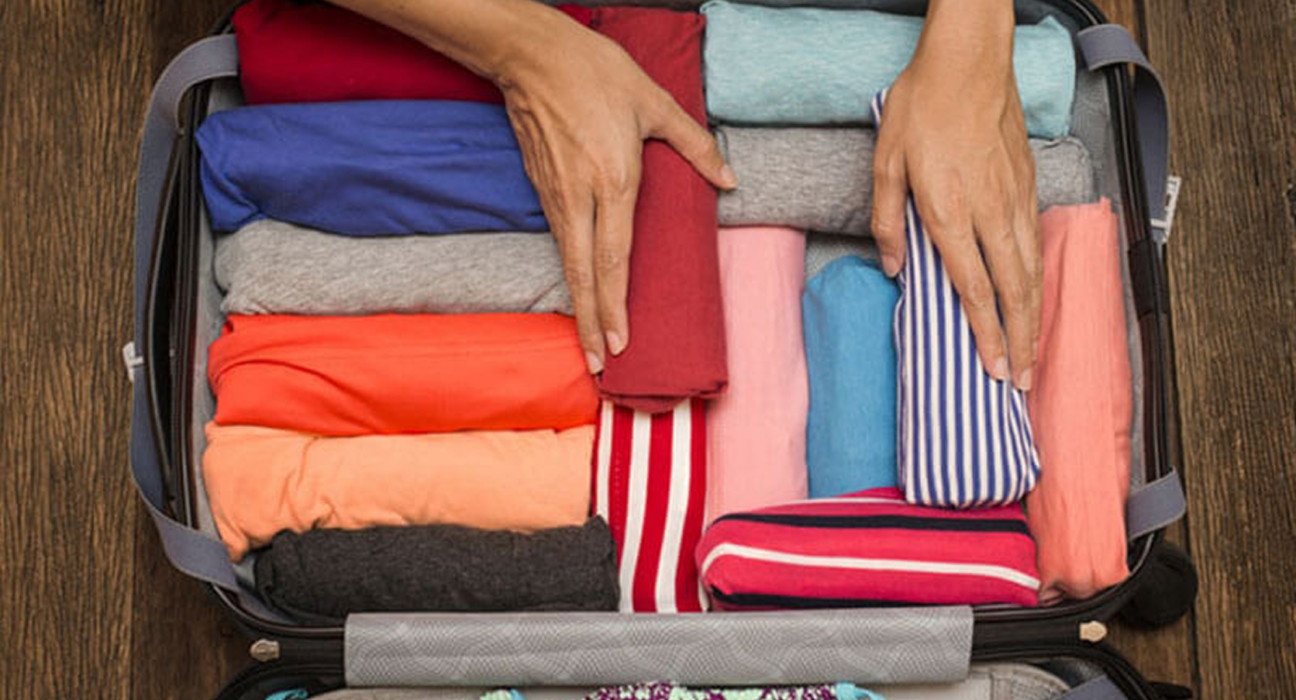
Packing for an international trip can feel overwhelming.
You are not just deciding which clothes to bring. You also need to think about passports, travel documents, money, electronics, medications, weather, luggage restrictions, toiletries, adapters, and everything you may need after arriving in another country.
The good news is that international packing does not have to be complicated.
The best approach is to pack around your destination, trip length, activities, weather, and access to essential items rather than simply filling your suitcase.
This guide will help you build a practical international travel packing checklist.
1. Start With Your Destination
Before putting anything into your suitcase, research the destination.
Check:
- Weather during your travel dates
- Expected temperatures
- Rain or snow conditions
- Local customs
- Dress expectations
- Transportation
- Planned activities
- Availability of basic products
- Electrical plug type
- Luggage rules
A beach vacation, business trip, hiking holiday, and winter city break will require very different packing lists.
Do not start with your suitcase.
Start with your itinerary.
2. Check Your Passport
Your passport is one of the most important things you will take with you.
Before traveling, check:
- Expiration date
- Passport condition
- Blank pages if required
- Whether your destination has specific validity requirements
Some countries require passports to remain valid for a certain period beyond the planned stay.
Check the current entry requirements for your destination before traveling.
3. Check Visa and Entry Requirements
Do not assume that having a valid passport means you can automatically enter another country.
Depending on your nationality and destination, you may need:
- Visa
- Electronic travel authorization
- Entry permit
- Transit visa
- Proof of onward travel
- Accommodation information
- Proof of funds
- Vaccination or health documentation where applicable
Check official government or immigration sources before your trip.
Keep copies of important approvals and documents accessible while traveling.
4. Keep Travel Documents Together
Create one travel-document folder.
It can include:
- Passport
- Visa or travel authorization
- Flight tickets
- Hotel reservations
- Travel insurance
- Transportation bookings
- Tour reservations
- Emergency contacts
- Copies of important documents
You can keep digital copies on your phone as well.
However, do not rely exclusively on your phone.
A few offline copies can be useful if your device is lost, damaged, or out of battery.
5. Make Digital Copies
Take secure digital copies of important documents.
Consider storing copies of:
- Passport identification page
- Visa
- Travel insurance
- Flight booking
- Hotel reservation
- Important identification
- Prescriptions where relevant
Store them somewhere you can access without depending entirely on one physical device.
Avoid leaving sensitive documents publicly accessible or sharing them unnecessarily.
6. Decide How Much Luggage You Actually Need
More luggage does not necessarily mean better preparation.
For many trips, you may only need:
- One checked suitcase
- One carry-on
- One personal item
The exact allowance depends on the airline and ticket.
Before packing, check the airline’s current baggage rules.
Pay attention to:
- Weight limits
- Size limits
- Number of bags
- Cabin baggage restrictions
- Personal-item dimensions
- Restricted items
7. Pack a Carry-On Carefully
Your carry-on should contain items you would need if your checked luggage were delayed.
Consider packing:
- Passport
- Wallet
- Phone
- Chargers
- Essential medication
- Important documents
- Basic toiletries
- One change of clothes
- Valuable items
- Travel insurance information
Do not put your most important belongings into checked luggage if you can reasonably keep them with you.
8. Choose Clothing Based on Your Itinerary
Do not pack clothes simply because you like them.
Pack according to what you will actually do.
For example, a trip might require:
- Casual clothing
- Comfortable walking shoes
- One smart outfit
- Sleepwear
- Workout clothing
- Swimwear
- Weather-appropriate layers
- Rain protection
Look at your planned activities before deciding how many outfits you need.
9. Use the Layering Method
Layers are useful because weather can change throughout the day.
Instead of packing one extremely heavy item, consider:
- Base layer
- Shirt
- Sweater or fleece
- Jacket
- Rain layer if necessary
You can add or remove layers depending on the temperature.
This is especially useful for destinations with variable weather.
10. Pack Versatile Clothes
Choose clothing that can be worn in multiple combinations.
For example:
- Neutral trousers
- Simple shirts
- Comfortable shoes
- A versatile jacket
- Clothing that works for both daytime and casual evenings
The more combinations your clothes provide, the fewer items you need.
11. Limit Your Shoes
Shoes are often among the heaviest things in a suitcase.
Try to pack based on actual needs.
A practical combination might include:
- Comfortable walking shoes
- One additional pair for a specific activity or occasion
- Sandals or flip-flops where appropriate
Wear your heaviest shoes while traveling when practical.
12. Check the Weather Before Leaving
Do not rely on a forecast you checked weeks before your trip.
Look again shortly before departure.
Weather can influence:
- Clothing
- Footwear
- Rain protection
- Accessories
- Activities
Your final packing decisions should reflect the expected conditions during your trip.
13. Pack Toiletries Carefully
Basic toiletries may include:
- Toothbrush
- Toothpaste
- Shampoo
- Conditioner
- Face wash
- Deodorant
- Razor
- Hair products
- Skincare products
- Sunscreen
- Personal hygiene products
For cabin luggage, follow the applicable airport and airline rules for liquids, gels, and aerosols.
If you are staying at a hotel, check what toiletries are already provided.
You may not need to carry full-size versions of everything.
14. Pack Your Medications
If you take medication regularly, make sure you have enough for the trip plus a reasonable contingency where appropriate.
Keep medication in its original packaging when practical.
Consider carrying:
- Required medication
- Prescription information
- Relevant medical documentation
- Doctor or pharmacy contact information if needed
For international travel, check whether your destination has specific rules for carrying certain medications.
15. Don’t Forget Glasses and Contact Lenses
If you use corrective lenses, add them to your checklist.
Consider carrying:
- Prescription glasses
- Spare glasses if needed
- Contact lenses
- Contact lens solution
- Protective case
These are easy to forget because you may be using them while packing.
16. Pack Your Electronics
Your electronics will depend on your trip.
Common items include:
- Smartphone
- Laptop
- Tablet
- Camera
- Headphones
- Smartwatch
- Chargers
- Charging cables
- Power bank where permitted
You do not need to bring every device you own.
Choose the electronics that genuinely add value to the trip.
17. Bring the Right Power Adapter
Electrical outlets differ between countries.
Research the plug type used at your destination.
Depending on your devices, you may need:
- Plug adapter
- Voltage converter
- Multi-country travel adapter
Do not assume that a plug adapter automatically converts voltage.
Check your device specifications and destination requirements.
18. Organize Your Charging Cables
Loose cables quickly become messy.
Keep them together in a small pouch.
You can separate:
Phone
Laptop
Watch
Camera
This makes it easier to find what you need at airports and hotels.
19. Think About Internet Access
Depending on your destination, you may need to arrange:
- International roaming
- Travel eSIM
- Local SIM
- Portable Wi-Fi
- Hotel Wi-Fi
Check your phone’s compatibility and your carrier’s options before leaving.
Also download important information for offline use.
20. Download Offline Maps
Internet access is not guaranteed everywhere.
Download offline maps where available.
Also save:
- Hotel address
- Airport information
- Important transportation details
- Emergency contacts
- Key reservations
This can be extremely useful when arriving somewhere unfamiliar.
21. Pack a Small Travel Wallet
Keep your essential travel money and cards organized.
You may carry:
- Primary payment card
- Backup payment card
- Some local currency
- Identification
- Small amount of emergency cash
Avoid carrying all your money and cards in one easily accessible location.
22. Don’t Carry Too Much Cash
You generally do not need to carry large amounts of physical cash for most international trips.
The appropriate amount depends on the destination and your circumstances.
Consider having a small amount available for situations such as:
- Transportation
- Small businesses
- Tips
- Places that do not accept cards
- Emergency situations
Research payment habits at your destination before traveling.
23. Pack a Small First-Aid Kit
A compact kit can be useful.
Depending on your needs, it might contain:
- Basic bandages
- Antiseptic supplies
- Common over-the-counter medications
- Blister protection
- Personal medical items
Do not pack a large medical kit unless your trip requires it.
24. Bring Sun Protection
For destinations with significant sun exposure, consider:
- Sunscreen
- Sunglasses
- Hat
- Lightweight protective clothing
Sun protection can be important even when temperatures are not extremely high.
25. Pack for Your Activities
Your itinerary should determine your specialist gear.
Hiking
You may need:
- Hiking shoes
- Comfortable clothing
- Rain protection
- Water bottle
- Small backpack
Beach Trip
Consider:
- Swimwear
- Sandals
- Sunscreen
- Sunglasses
- Lightweight clothing
Business Trip
You may need:
- Formal clothing
- Business shoes
- Laptop
- Chargers
- Documents
Winter Trip
Consider:
- Warm layers
- Coat
- Gloves
- Hat
- Warm footwear
Do not pack specialist equipment unless you actually plan to use it.
26. Keep Valuable Items With You
Important valuables should generally stay in your carry-on rather than checked luggage.
This may include:
- Passport
- Cash
- Cards
- Jewelry
- Important electronics
- Essential medication
- Important documents
Check your airline’s rules for any valuable or restricted items.
27. Use Packing Cubes If They Help You
Packing cubes are optional, but they can make organization easier.
You could use separate cubes for:
- Shirts
- Trousers
- Underwear
- Workout clothes
- Accessories
They can also make it easier to find items without unpacking your entire suitcase.
28. Leave Some Space
Do not pack your suitcase completely full.
Leaving some room can help with:
- Souvenirs
- Shopping
- Repacking
- Unexpected purchases
It can also make the return journey easier.
29. Weigh Your Luggage
If your airline has a checked baggage limit, weigh your suitcase before leaving home.
A small luggage scale can help.
This is much easier than discovering at the airport that your bag is overweight.
If it is too heavy, remove non-essential items before leaving.
30. Check Restricted Items
Before packing, check your airline and airport rules.
Restrictions can apply to items such as:
- Certain liquids
- Sharp objects
- Batteries
- Power banks
- Sporting equipment
- Flammable products
- Certain foods
- Other regulated items
Rules can vary depending on whether an item is carried in cabin or checked baggage.
Always follow the current official rules for your journey.
International Travel Packing Checklist
Use this as your final checklist.
Important Documents
- Passport
- Visa or travel authorization
- Flight tickets
- Hotel reservations
- Travel insurance
- Transportation bookings
- Emergency contacts
- Digital document copies
Clothing
- Shirts/tops
- Trousers/shorts
- Underwear
- Socks
- Sleepwear
- Jacket or sweater
- Weather-appropriate clothing
- Activity-specific clothing
- Comfortable shoes
- Additional footwear if necessary
Toiletries
- Toothbrush
- Toothpaste
- Deodorant
- Shampoo
- Skincare
- Sunscreen
- Razor
- Personal hygiene products
Health
- Prescription medication
- Required medical documents
- Glasses
- Contact lenses
- Basic first-aid supplies
Electronics
- Smartphone
- Phone charger
- Charging cables
- Laptop/tablet if needed
- Headphones
- Camera if needed
- Power bank if permitted
- Travel adapter
Money
- Credit/debit card
- Backup payment method
- Local currency
- Emergency cash
Before Leaving Home
- Check passport
- Check visa requirements
- Check airline baggage rules
- Check weather
- Check airport restrictions
- Download offline maps
- Save important addresses
- Charge electronics
- Weigh luggage
- Secure your home
What Should Go in Your Carry-On?
A simple carry-on checklist:
| Item | Carry-On? |
|---|---|
| Passport | Yes |
| Wallet | Yes |
| Phone | Yes |
| Important documents | Yes |
| Essential medication | Yes |
| Valuable electronics | Yes |
| Chargers | Yes |
| One change of clothes | Recommended |
| Basic toiletries | Yes, subject to liquid rules |
| Large clothing items | Usually better in checked luggage |
Always follow your airline and airport’s current baggage requirements.
Common International Packing Mistakes
Packing Too Much
You probably need less than you think.
Ignoring the Weather
A suitcase packed for the wrong season can make the entire trip uncomfortable.
Forgetting Documents
Clothing can often be replaced.
A missing travel document can create a much bigger problem.
Checking Valuable Items
Keep important valuables with you whenever practical.
Ignoring Baggage Limits
Always check your airline’s current allowance.
Packing at the Last Minute
Last-minute packing makes it easier to forget essential items.
Taking Too Many Shoes
Shoes are heavy and take up significant space.
Forgetting Chargers
A forgotten charger can turn a small mistake into a daily inconvenience.
A Simple Packing Strategy
If you want to keep packing simple, follow this order:
1. Documents
2. Medication and essential health items
3. Electronics
4. Weather-appropriate clothing
5. Toiletries
6. Activity-specific items
7. Money and payment methods
8. Optional items
Then remove anything you probably will not use.
The Bottom Line
Packing for international travel is not about taking everything you might possibly need.
It is about taking the right things.
Start with your destination and itinerary. Check entry requirements, weather, airline baggage rules, and local conditions. Keep your passport, essential documents, medication, valuables, and important electronics accessible.
Pack versatile clothing, limit unnecessary shoes, organize your toiletries, prepare your electronics, and leave some room in your luggage.
Most importantly, create your packing list before you start packing.
A simple checklist can prevent the most frustrating travel mistake of all:
Realizing you forgot something important after the plane has already taken off.