






How to Eat More Protein: 20 Easy Ways to Add More to Your Diet
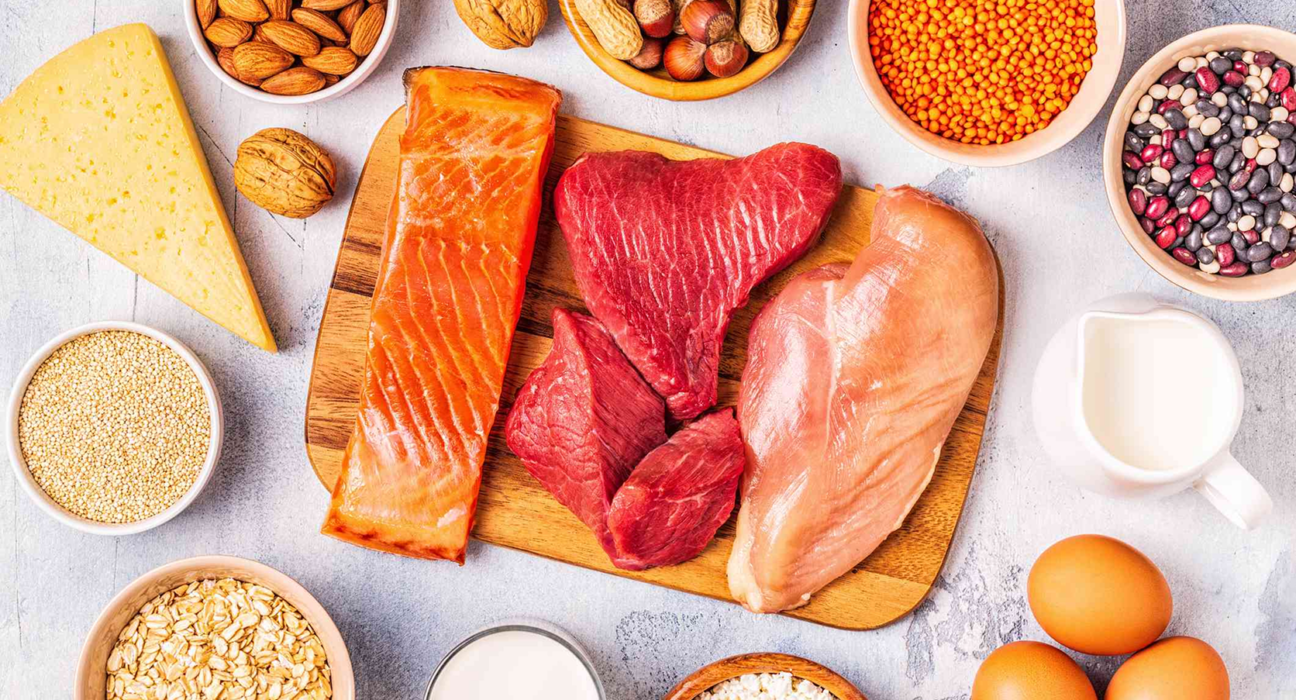
Protein is an important part of a balanced diet.
Your body uses protein to build and maintain tissues, support normal body functions, and help with recovery and growth. It is found in many foods, including meat, fish, eggs, dairy products, beans, lentils, soy foods, nuts, seeds, and other plant-based foods.
Despite its importance, many people find it difficult to include enough protein consistently.
The good news is that you don’t necessarily need to completely change your diet.
A few simple adjustments to your meals and snacks can make it much easier to increase your protein intake.
Why Is Protein Important?
Protein is made up of amino acids that the body uses for many functions.
It contributes to:
- Muscle maintenance and growth
- Tissue repair
- Enzymes and hormones
- Immune system functions
- Maintaining body structures
- Supporting normal physiological processes
Protein is particularly relevant for people who exercise regularly, but it is important for everyone.
How Much Protein Do You Need?
Protein requirements vary from person to person.
Factors such as:
- Age
- Body size
- Activity level
- Exercise habits
- Overall diet
- Health circumstances
- Fitness goals
can influence how much protein someone needs.
There isn’t one universal amount that is appropriate for everyone.
If you have a specific medical condition, are pregnant, have kidney disease, or have been advised to follow a particular diet, discuss your protein needs with a qualified healthcare professional or registered dietitian.
1. Start Your Day With Protein
Breakfast can be an easy opportunity to increase your protein intake.
Instead of having a breakfast based primarily on refined carbohydrates, include a protein-rich food.
Options include:
- Eggs
- Greek yogurt
- Cottage cheese
- Milk
- Soy milk
- Tofu
- Beans
- Protein-rich oats
For example:
Oats + milk + Greek yogurt + nuts
can provide a more protein-rich breakfast than plain oats alone.
2. Add Eggs to Your Meals
Eggs are a convenient source of high-quality protein.
You can have them:
- Boiled
- Scrambled
- Poached
- In an omelet
- As part of a sandwich
- With vegetables
An omelet with vegetables and cheese can turn a simple breakfast into a more substantial meal.
3. Include Greek Yogurt
Greek yogurt is often higher in protein than conventional yogurt because of the way it is processed.
You can use it as:
- Breakfast
- A snack
- A smoothie ingredient
- A base for dips
- A topping for fruit
Check the nutrition label because protein content varies between products.
4. Add Protein to Your Oatmeal
Oatmeal doesn’t have to be just oats and water.
You can increase the protein content by adding:
- Milk
- Greek yogurt
- Cottage cheese
- Nuts
- Seeds
- Peanut butter
- Soy products
A simple bowl can become significantly more filling with a few additions.
5. Include Lentils and Beans
Plant-based proteins can be an important part of a balanced diet.
Good options include:
- Lentils
- Chickpeas
- Kidney beans
- Black beans
- Soybeans
- Peas
These foods can also provide fiber and other nutrients.
Try adding lentils or beans to:
- Soups
- Salads
- Curries
- Rice dishes
- Wraps
- Grain bowls
6. Choose Chicken or Other Lean Meats
If you eat meat, lean poultry and other lean meat options can provide substantial amounts of protein.
You can add them to:
- Salads
- Wraps
- Rice bowls
- Sandwiches
- Soups
- Stir-fries
The cooking method also matters. Grilling, baking, roasting or cooking with moderate amounts of oil can be practical options.
7. Eat More Fish
Fish can provide protein along with other nutrients.
Depending on the variety, fish can also provide omega-3 fatty acids.
Try options such as:
- Salmon
- Tuna
- Sardines
- Trout
- Mackerel
- Other locally available fish
Choose varieties and preparation methods that fit your overall diet.
8. Use Cottage Cheese or Paneer
Cottage cheese and paneer can be convenient protein sources.
They can be used in:
- Salads
- Wraps
- Sandwiches
- Curries
- Stir-fries
- Breakfast dishes
Protein content can vary considerably depending on the product, so check the nutrition information when comparing options.
9. Add Tofu or Tempeh
For people following a vegetarian or plant-focused diet, soy foods can be useful protein sources.
Tofu can be:
- Stir-fried
- Grilled
- Baked
- Added to soups
- Used in curries
Tempeh can also be used in sandwiches, bowls and stir-fries.
10. Snack on Nuts and Seeds
Nuts and seeds can add protein along with healthy fats and other nutrients.
Options include:
- Almonds
- Peanuts
- Pistachios
- Pumpkin seeds
- Sunflower seeds
- Chia seeds
- Hemp seeds
Because nuts and seeds can be calorie-dense, portion size is worth considering if you’re also managing overall calorie intake.
11. Add Peanut Butter to Snacks
Peanut butter can be an easy addition to meals and snacks.
Try it with:
- Whole-grain toast
- Oatmeal
- Apples
- Bananas
- Yogurt
- Smoothies
Choose a product that fits your dietary preferences and check the ingredient and nutrition labels.
12. Build Meals Around a Protein Source
Instead of treating protein as a small addition, make it one of the main components of your meal.
For example:
Protein + vegetables + whole grains/starchy food
could look like:
- Chicken + vegetables + rice
- Fish + potatoes + salad
- Tofu + vegetables + noodles
- Lentils + vegetables + whole-grain bread
- Paneer + vegetables + roti
This simple structure makes protein easier to include consistently.
13. Add Protein to Your Salads
A salad doesn’t have to mean vegetables alone.
Add:
- Chicken
- Tuna
- Eggs
- Chickpeas
- Lentils
- Tofu
- Paneer
- Beans
- Seeds
A protein-rich salad can be much more satisfying than a bowl of vegetables with a dressing.
14. Upgrade Your Sandwiches and Wraps
Sandwiches and wraps can become protein-rich meals with the right filling.
Try:
Egg + vegetables + whole-grain bread
or:
Chicken + salad + yogurt-based sauce
or:
Paneer/tofu + vegetables + wrap
Avoid relying heavily on processed meats if you’re trying to build a generally balanced eating pattern.
15. Choose Protein-Rich Snacks
Instead of automatically reaching for chips or sweets, consider snacks that provide protein.
Examples include:
- Greek yogurt
- Boiled eggs
- Roasted chickpeas
- Cottage cheese
- Edamame
- Nuts
- Seeds
- Milk
- Homemade yogurt-based snacks
You don’t have to eliminate other snacks.
Simply having more protein-rich choices available can make better choices easier.
16. Add Milk or Fortified Alternatives
Milk can contribute protein to your daily diet.
You can use it in:
- Coffee
- Tea
- Oatmeal
- Smoothies
- Breakfast cereals
Plant-based alternatives can also work, but protein levels differ considerably between products.
If protein is your priority, compare nutrition labels rather than assuming every plant-based milk contains similar amounts.
17. Make Smoothies More Balanced
Smoothies can be convenient, but some are mostly fruit and may contain relatively little protein.
You can make them more balanced by adding:
- Greek yogurt
- Milk
- Soy milk
- Nut butter
- Seeds
- Tofu
- Other suitable protein-rich ingredients
A simple combination might be:
Fruit + milk/soy milk + yogurt + seeds
This creates a more balanced snack or breakfast.
18. Read Nutrition Labels
Packaging can make a product appear healthy without telling you much about its actual protein content.
When comparing products, look at:
- Protein per serving
- Serving size
- Calories
- Added sugar
- Saturated fat
- Sodium
- Ingredients
Don’t compare two products using different serving sizes.
Always check the actual serving information.
19. Spread Protein Across the Day
You don’t necessarily need to eat almost all of your protein in one meal.
Instead, consider including a protein source at:
Breakfast → Lunch → Snack → Dinner
For example:
Breakfast: Eggs + yogurt
Lunch: Chicken or lentils + rice + vegetables
Snack: Nuts or Greek yogurt
Dinner: Fish/tofu/paneer + vegetables + grains
Spreading protein-rich foods throughout the day can make reaching your overall intake easier.
20. Prepare Protein-Rich Foods in Advance
Preparation makes healthy eating easier when you’re busy.
You could prepare:
- Boiled eggs
- Cooked lentils
- Roasted chickpeas
- Grilled chicken
- Cooked tofu
- Yogurt portions
- Washed and chopped vegetables
Having protein-rich ingredients ready means you’re less likely to rely entirely on convenient but less nutritious options.
Easy High-Protein Meal Ideas
Here are some simple combinations:
| Meal | Protein-Rich Components |
|---|---|
| Breakfast | Eggs + whole-grain toast + yogurt |
| Breakfast | Oats + milk + seeds |
| Lunch | Chicken + rice + vegetables |
| Lunch | Lentils + rice + vegetables |
| Lunch | Paneer/tofu + roti + salad |
| Snack | Greek yogurt + fruit + nuts |
| Snack | Roasted chickpeas |
| Dinner | Fish + potatoes + vegetables |
| Dinner | Tofu + noodles + vegetables |
| Dinner | Beans + whole grains + vegetables |
These are examples rather than fixed meal plans.
Animal vs Plant Protein
Both animal and plant foods can contribute to a healthy diet.
Animal-Based Sources
Examples include:
- Eggs
- Fish
- Chicken
- Meat
- Milk
- Yogurt
- Cheese
Plant-Based Sources
Examples include:
- Lentils
- Beans
- Chickpeas
- Soy
- Tofu
- Tempeh
- Nuts
- Seeds
A well-planned vegetarian or vegan diet can also provide adequate protein.
Variety is useful because different foods provide different combinations of nutrients.
Do You Need Protein Supplements?
Not necessarily.
Protein supplements can be convenient, especially for people who have difficulty meeting their protein needs through regular food.
However, they are supplements, not a requirement.
Whole foods can provide protein along with other nutrients such as:
- Fiber
- Vitamins
- Minerals
- Healthy fats
If you use protein powder, treat it as one part of your overall diet rather than a replacement for nutritious meals.
Choose products appropriate for your dietary needs and check their ingredient and nutrition labels.
Common Mistakes When Trying to Eat More Protein
Eating Only One Protein-Rich Meal
If you eat most of your protein at dinner, reaching your overall target may be more difficult.
Include protein throughout the day.
Ignoring Total Calories
Protein-rich foods still contain calories.
Large amounts of calorie-dense foods such as nuts, cheese and nut butter can add significant energy to your diet.
Choosing Highly Processed Foods Every Time
A protein label doesn’t automatically make a food healthy.
Look at the overall nutrition profile.
Forgetting Fiber and Vegetables
Increasing protein shouldn’t mean eliminating other important foods.
A balanced diet should include a variety of foods.
Making the Diet Too Complicated
You don’t need exotic ingredients or complicated recipes.
Simple foods can work extremely well.
A Simple Formula for Building a Meal
When planning a meal, try this basic structure:
1 protein source + 1 or 2 vegetables + 1 carbohydrate source + healthy fat as appropriate
For example:
Chicken + broccoli + rice + olive oil
or:
Lentils + mixed vegetables + roti + yogurt
or:
Tofu + vegetables + noodles + seeds
This makes balanced meal planning easier.
Final Thoughts
Eating more protein doesn’t require completely changing your diet.
Start by making small upgrades to meals you already eat.
Add eggs to breakfast. Include lentils with lunch. Add yogurt to a snack. Put chicken, fish, tofu or paneer into your main meals. Keep nuts, seeds or other protein-rich foods available when you need something quick.
The goal isn’t simply to eat as much protein as possible.
The goal is to build a balanced diet that provides an appropriate amount of protein alongside vegetables, fruits, whole grains or other carbohydrates, healthy fats, and adequate fluids.
Start with a few simple changes and make them consistent.
Health Disclaimer
This article is intended for general educational and wellness information only. Individual protein requirements vary based on age, body size, activity level, health status, and other factors. People with kidney disease, certain medical conditions, pregnancy, or specific dietary requirements should consult a qualified healthcare professional or registered dietitian before making major changes to their diet.