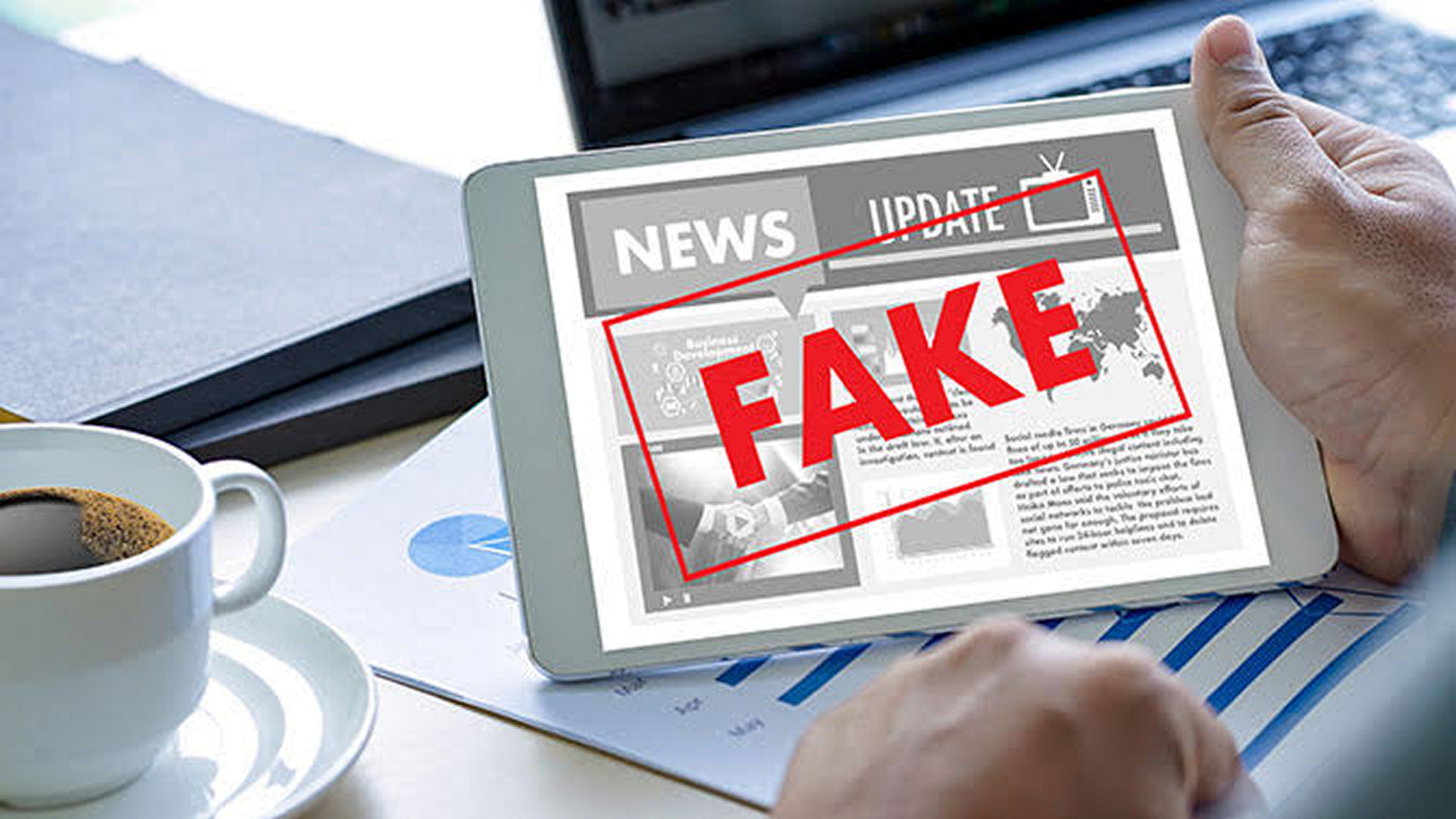
How Misinformation Spreads Online and How to Spot It
The internet has made it possible for information to travel around the world within seconds.
A single post, video, screenshot or message can reach thousands or even millions of people before anyone has had time to verify whether it is accurate.
This can be useful when important information needs to spread quickly. But it also creates a serious challenge: misinformation can travel just as quickly as accurate information.
Sometimes misleading information is shared because someone genuinely believes it is true. In other cases, information is deliberately manipulated to deceive people.
Understanding how misinformation spreads can make it easier to recognize questionable claims and make better decisions about what to trust.
What Is Misinformation?
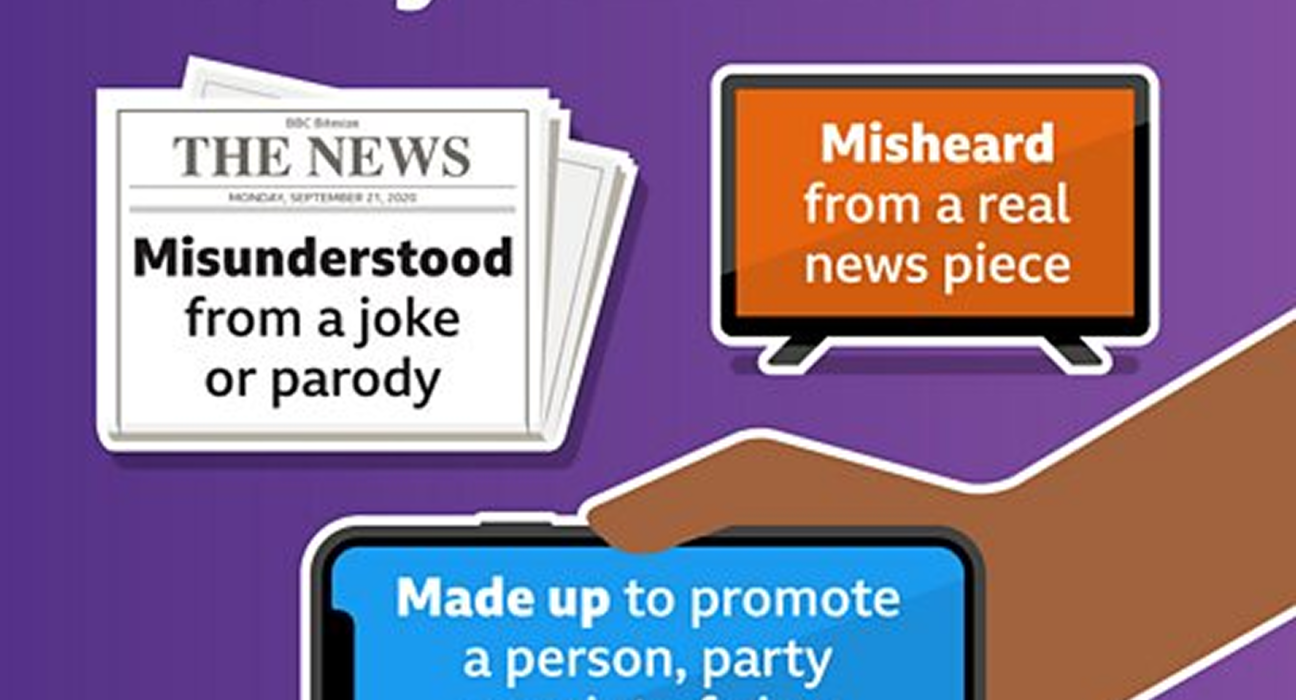
Misinformation is false, inaccurate or misleading information that is shared without necessarily intending to cause harm.
For example, someone might see an old photograph and mistakenly believe it shows a current event. They share it with friends because they think it is important.
The information may be wrong, but the person sharing it may not realize that.
This is different from disinformation, which generally refers to false or misleading information that is deliberately created or spread to deceive.
The two can sometimes look identical to the person receiving them.
Why Does Misinformation Spread So Quickly?
Several factors contribute to the speed at which information spreads online.
These include:
- Social media sharing
- Emotional reactions
- Algorithms
- Short-form content
- Group behavior
- Influencers and public figures
- Search engines
- Messaging apps
- Click-driven headlines
- Lack of verification
The internet rewards attention.
Content that generates strong reactions can receive more engagement, which can lead to even greater visibility.
1. Emotional Content Gets Attention
People naturally pay attention to information that makes them feel something strongly.
This could be:
- Anger
- Fear
- Surprise
- Excitement
- Hope
- Outrage
- Anxiety
A calm, carefully written explanation may receive less attention than a dramatic claim.
For example, compare:
“New research examines possible changes in consumer behavior.”
with:
“Experts are shocked! Everything you know is about to change!”
The second headline is much more likely to trigger an immediate reaction.
That reaction can encourage people to click and share before checking the underlying information.
2. People Often Share Before Reading
Social media makes sharing extremely easy.
Someone might see a headline, assume it is true and immediately share it.
They may never:
- Open the article
- Check the date
- Read the full story
- Examine the source
- Look for supporting evidence
This creates a situation where the headline travels much further than the actual information.
3. Old Information Can Look New
One of the simplest forms of misinformation is outdated information presented as current.
A photograph from several years ago can be reposted alongside a new claim.
An old article can suddenly become popular again.
A previous event can be presented as though it happened yesterday.
Always check the publication date and original context.
4. Images Can Be Misleading
Images often feel more convincing than text.
But a photograph doesn’t automatically prove the claim attached to it.
An image may be:
- From another country
- From another year
- Cropped to remove important context
- Edited
- Generated or manipulated
- Taken from an unrelated event
Before trusting an image, ask:
Where did this image originally come from?
When was it taken?
Does it actually show what the post claims?
5. Videos Can Also Be Taken Out of Context
Video can create a powerful impression of authenticity.
However, a real video can still be misleading if:
- The beginning or ending has been removed
- The location is incorrectly identified
- The date is wrong
- A short clip is taken from a longer event
- The audio has been changed
- The footage is presented with a false explanation
The fact that something is a real video doesn’t automatically mean the accompanying claim is true.
6. Social Media Algorithms Can Amplify Content
Social platforms use recommendation systems to decide what content users are likely to see.
Content that generates engagement can receive greater visibility.
This doesn’t necessarily mean platforms intentionally promote false information.
However, the combination of attention-driven content and rapid sharing can help misleading claims spread widely.
The result can be a feedback loop:
Emotional content → Engagement → More visibility → More reactions → More sharing
7. Repetition Can Make Claims Feel True
When people encounter the same claim repeatedly, it can begin to feel familiar.
Familiarity can sometimes be mistaken for credibility.
You may see the same statement:
- In a WhatsApp group
- On Instagram
- In a YouTube video
- On X
- In a Facebook post
Seeing it five times doesn’t mean it has been independently verified five times.
It may simply be the same original claim being copied repeatedly.
8. People Tend to Trust Their Own Communities
People often place greater trust in information shared by people they already identify with.
This might be:
- Friends
- Family
- Colleagues
- Online communities
- Influencers
- Political groups
- Professional communities
- Hobby groups
A familiar source can make information feel trustworthy even when the underlying claim hasn’t been checked.
This is why misinformation can spread particularly quickly inside closed communities.
9. Fake Experts Can Create Credibility
A misleading post may use titles, statistics or technical language to appear authoritative.
For example, a post might claim:
“Scientists confirm…”
or
“Experts say…”
But who are the experts?
Are they identified?
Does the source actually support the claim?
Are they qualified in the relevant field?
A title alone isn’t evidence.
10. Screenshots Can Remove Context
Screenshots are frequently shared as supposed proof.
But screenshots can be:
- Cropped
- Edited
- Missing surrounding text
- Taken from fake accounts
- Outdated
- Presented without the original source
Whenever possible, find the original post or source rather than relying only on a screenshot.
How to Spot Potential Misinformation
You don’t need to investigate every post for hours.
A few basic checks can help.
Check the Source
Ask:
Who published this?
Look at the website, organization or account.
Is it a recognizable publication or an unknown website?
Does the source provide contact information and editorial standards?
A professional-looking website doesn’t automatically make its claims reliable.
Check the Date
Information can become misleading when the context changes.
Always check:
- Publication date
- Update date
- Event date
- Date shown in photographs or videos
A genuine article from five years ago may still be accurate about what happened five years ago, but that doesn’t mean it describes today’s situation.
Look for the Original Source
If a post claims:
“A new study proves…”
Look for the actual study.
If it claims:
“The government announced…”
Look for the relevant official announcement.
If it claims:
“A company confirmed…”
Look for the company’s original statement.
The closer you get to the original source, the easier it becomes to evaluate the claim.
Compare Multiple Reliable Sources
Don’t rely on one post if the claim is important.
Look for independent reporting from multiple reputable sources.
If several credible sources report the same event and provide similar evidence, confidence may increase.
But remember: several websites repeating the same wire report are not necessarily several independent confirmations.
Separate Facts From Opinions
An article can contain both factual information and opinion.
For example:
Fact: A company reported a particular financial result.
Opinion: The result proves the company is destined to dominate its industry.
The first statement may be verifiable through a company filing or official report.
The second is an interpretation.
Learning to separate the two is an important media-literacy skill.
Be Careful With Statistics
Numbers can make a claim appear authoritative.
But statistics can be presented in misleading ways.
Consider:
- What is being measured?
- What is the sample size?
- Who conducted the research?
- What period does it cover?
- Is the number being compared with something?
- Is the source clearly identified?
A percentage without context can be difficult to interpret.
For example, saying something “increased by 200%” sounds dramatic, but you need to know the starting number.
Watch for Manipulative Language
Certain phrases should make you slow down.
Examples include:
- “They don’t want you to know”
- “Share this before it gets deleted”
- “The media won’t tell you”
- “Everyone is talking about this”
- “You won’t believe what happened”
- “This changes everything”
- “Urgent — act now”
These phrases aren’t automatically proof that something is false.
But they are often designed to create urgency or emotional engagement rather than encourage careful evaluation.
Be Careful With AI-Generated Content
Modern AI tools can create convincing:
- Text
- Images
- Audio
- Video
- Voice recordings
This creates new challenges for verifying information online.
A realistic image or convincing voice recording isn’t automatically authentic.
When content appears extraordinary, verify it through reliable sources before treating it as fact.
At the same time, don’t assume that unusual-looking content is automatically fake. The correct approach is verification rather than automatic belief or automatic rejection.
How to Verify a Suspicious Claim
You can use a simple process.
Step 1: Stop
Don’t immediately share the information.
Step 2: Identify the Claim
What exactly is being claimed?
Write it in one simple sentence.
Step 3: Find the Original Source
Look for the earliest credible source you can find.
Step 4: Check the Date
Make sure the information actually relates to the current situation.
Step 5: Find Independent Confirmation
Search for reporting or evidence from other reliable sources.
Step 6: Check the Evidence
Look for documents, data, statements, studies, photographs or other primary evidence where appropriate.
Step 7: Decide
If the claim cannot be adequately verified, don’t present it as established fact.
What to Do When You’re Not Sure
You don’t have to choose between:
“This is definitely true.”
and
“This is definitely false.”
Sometimes the correct conclusion is:
“There isn’t enough reliable evidence to know yet.”
That is a perfectly reasonable position.
Being comfortable with uncertainty is an important part of responsible information consumption.
Misinformation vs Disinformation vs Malinformation
These terms are often confused.
| Term | General Meaning |
|---|---|
| Misinformation | False or misleading information shared without necessarily intending to deceive |
| Disinformation | False or misleading information deliberately created or spread to deceive |
| Malinformation | Genuine information used or presented in a harmful or misleading way |
The intent behind the information can be difficult to determine from the outside.
That’s why it is usually better to focus on whether a claim is supported by reliable evidence rather than immediately assuming what the person who shared it intended.
How to Become a Better Online Information Consumer
You don’t need to distrust everything you read.
Instead, develop a habit of asking a few basic questions:
Who says this?
What evidence supports it?
When was it published?
Where did the information originally come from?
Can another reliable source confirm it?
Is this fact, interpretation or opinion?
Am I believing this because it is well supported, or because I already agree with it?
That final question can be particularly useful.
Everyone has biases, and recognizing your own is part of becoming a better consumer of information.
A Quick Verification Checklist
Before sharing an important claim online:
- ☐ Check the source
- ☐ Check the date
- ☐ Read beyond the headline
- ☐ Find the original source
- ☐ Check the evidence
- ☐ Compare reliable sources
- ☐ Verify images and videos
- ☐ Look at statistics carefully
- ☐ Separate facts from opinions
- ☐ Watch for emotionally manipulative language
- ☐ Don’t treat repetition as proof
- ☐ If uncertain, don’t present the claim as fact
Final Thoughts
Misinformation spreads because the internet makes communication incredibly fast.
A claim can reach thousands of people before anyone has stopped to ask whether it is accurate.
The solution isn’t to distrust everything online. It’s to become a more careful consumer of information.
Pause before sharing. Check the source. Look at the date. Find the original evidence. Compare reliable sources. And remember that a confident headline, dramatic video or widely shared post is not the same thing as proof.
In a world where information moves faster than ever, knowing how to verify information is becoming just as important as knowing how to find it.