What Is an Emergency Fund? How Much Should You Save?
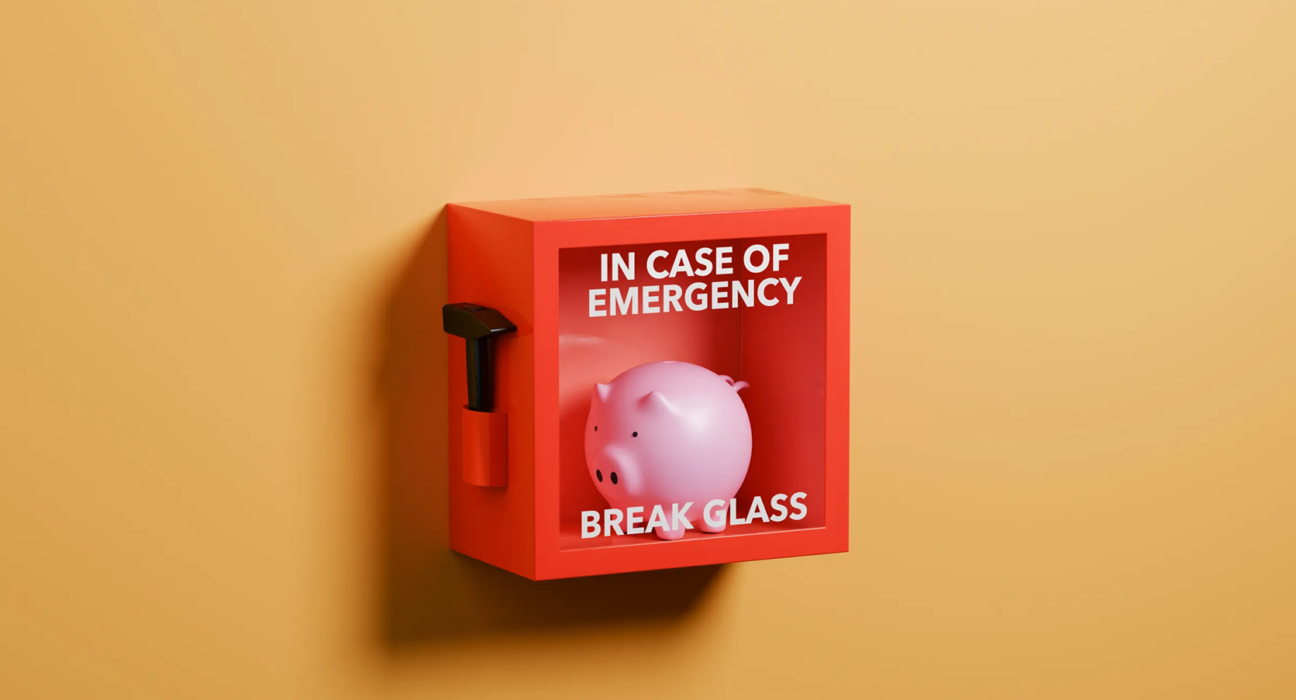
Unexpected expenses are part of life. A medical bill, sudden job loss, urgent home repair, major car expense, or unexpected travel can put pressure on your finances when you are not prepared.
An emergency fund is money set aside specifically for these situations. Instead of relying on a credit card, personal loan, or borrowing from someone else, you can use your savings to handle an unexpected financial problem.
But how much should you actually save?
For many people, the commonly recommended target is three to six months of essential living expenses. However, the right amount depends on your income, job stability, monthly expenses, family responsibilities, and financial situation.
Let’s look at how emergency funds work and how you can build one step by step.
What Is an Emergency Fund?
An emergency fund is a dedicated pool of savings that you use only for genuine, unexpected financial emergencies.
It is different from money you save for planned expenses.
For example:
| Expense | Emergency Fund? |
|---|---|
| Unexpected medical bill | Yes |
| Sudden job loss | Yes |
| Major car repair | Yes |
| Urgent home repair | Yes |
| Planned vacation | No |
| New smartphone | No |
| Regular shopping | No |
| Festival spending | No |
| Planned annual insurance payment | Usually no |
The purpose is simple: protect your regular finances when something unexpected happens.
Why Is an Emergency Fund Important?
Without emergency savings, an unexpected expense can quickly become debt.
Imagine your monthly essential expenses are ₹40,000 and your car suddenly requires a ₹60,000 repair.
If you have no savings, you might need to:
- Use a credit card
- Take a personal loan
- Borrow from family or friends
- Sell investments
- Delay other important payments
With an emergency fund, you have another option: use your own savings and then rebuild the fund afterward.
This can provide both financial flexibility and peace of mind.
How Much Should You Have in an Emergency Fund?
There isn’t one number that works for everyone.
A useful starting point is:
Emergency Fund Target = Essential Monthly Expenses × Number of Months
For example, if your essential monthly expenses are ₹40,000:
| Target | Amount |
|---|---|
| 1 month | ₹40,000 |
| 3 months | ₹1,20,000 |
| 6 months | ₹2,40,000 |
| 9 months | ₹3,60,000 |
| 12 months | ₹4,80,000 |
For many households, three to six months of essential expenses is a reasonable long-term target.
However, someone with an unstable income may want a larger buffer, while someone with highly stable employment and strong financial support may feel comfortable with a smaller reserve.
What Counts as an Essential Expense?
Don’t simply multiply your entire monthly spending by three or six.
Your emergency fund should generally be based on expenses you would still need to pay during a difficult financial period.
These can include:
- Rent or home loan payments
- Groceries
- Utilities
- Basic transportation
- Insurance premiums
- Essential healthcare costs
- Minimum debt payments
- School or childcare expenses
- Essential household expenses
Expenses such as entertainment, luxury shopping, vacations, and non-essential subscriptions may not need to be included in your emergency-fund calculation.
Example
Suppose your normal monthly spending looks like this:
- Rent: ₹20,000
- Groceries: ₹8,000
- Utilities: ₹4,000
- Transportation: ₹4,000
- Insurance: ₹3,000
- Entertainment: ₹5,000
- Shopping: ₹4,000
Your total spending is ₹48,000.
But your essential expenses may be closer to ₹39,000.
A six-month emergency fund based on essential expenses would therefore be:
₹39,000 × 6 = ₹2,34,000
This gives you a more realistic target.
Start With a Small Emergency Fund
If saving three to six months of expenses seems impossible, don’t let the size of the final target stop you from starting.
Your first goal could simply be ₹10,000 or ₹25,000.
Then gradually increase it.
A possible progression could look like:
₹10,000 → ₹25,000 → ₹50,000 → ₹1,00,000 → 3 months of expenses → 6 months of expenses
The important thing is to build the habit first.
How to Build an Emergency Fund
1. Calculate Your Essential Monthly Expenses
Start by reviewing your recent spending.
Separate expenses into two groups:
Essential:
Rent, food, utilities, transportation, insurance, healthcare and required debt payments.
Non-essential:
Entertainment, eating out, shopping, vacations and optional subscriptions.
Calculate the amount you would need to maintain your basic lifestyle if your income temporarily stopped.
2. Set a Specific Target
Don’t simply say:
“I need to save more money.”
Create a specific goal.
For example:
“I want to build a ₹2,00,000 emergency fund.”
A specific target makes progress much easier to track.
3. Automate Your Savings
One of the simplest ways to build savings is to automate the process.
You could transfer a fixed amount to your emergency savings account immediately after receiving your income.
For example:
Monthly income → Essential expenses → Emergency savings → Other spending
Even a relatively small automatic contribution can build up over time.
4. Start With a Percentage
If a fixed amount is difficult, consider saving a percentage of your income.
For example, you might start with:
- 5%
- 10%
- 15%
The right percentage depends on your income and expenses.
Consistency matters more than choosing a perfect number.
5. Use Unexpected Money Wisely
Occasional extra money can accelerate your emergency fund.
This could include:
- Bonuses
- Tax refunds
- Freelance income
- Gifts
- Cash from selling unused items
- Other unexpected income
You don’t necessarily need to put all of it into savings.
Even directing a portion toward your emergency fund can help you reach the target faster.
Where Should You Keep Your Emergency Fund?
An emergency fund should be safe and accessible.
The goal isn’t to maximize investment returns. The goal is to make sure the money is available when you genuinely need it.
Depending on your country and financial circumstances, options may include:
- A separate savings account
- A high-interest savings account
- Other highly liquid, low-risk savings options
Avoid putting your entire emergency fund into investments that can fluctuate significantly in value or may be difficult to access quickly.
The emergency fund has a different job from your long-term investment portfolio.
Keep Your Emergency Fund Separate
Keeping emergency savings in the same account you use for everyday spending can make it easier to spend accidentally.
A separate account can create a psychological barrier.
For example:
Main account: Salary, bills and daily spending
Emergency account: Unexpected expenses only
You can also give the account a clear name such as Emergency Fund so its purpose remains obvious.
Should You Keep Three or Six Months of Expenses?
It depends on your circumstances.
Three Months May Be Suitable If:
- Your income is relatively stable
- You have low monthly expenses
- You have strong job security
- You have limited financial dependents
- You have other financial resources available
Six Months or More May Make Sense If:
- Your income is irregular
- You are self-employed
- You work in a volatile industry
- You support a family
- You have significant fixed expenses
- Finding a new job could take longer
Some households may choose an even larger reserve.
The important point is that three to six months is a guideline, not a universal rule.
Emergency Fund vs Savings for Planned Expenses
Not every unexpected-looking expense is a true emergency.
For example, if you know your annual insurance payment is due every year, it is a planned expense.
You can create a separate sinking fund for predictable costs.
You might have:
Emergency Fund
For genuinely unexpected problems.
Vacation Fund
For travel.
Car Maintenance Fund
For expected servicing and maintenance.
Home Repair Fund
For planned maintenance.
Annual Expenses Fund
For predictable yearly bills.
Separating these goals helps prevent your emergency fund from being drained by expenses you could have planned for.
When Should You Use Your Emergency Fund?
A good question to ask before withdrawing money is:
“Is this unexpected, necessary and financially significant?”
For example, an emergency fund could be appropriate for:
- Sudden medical expenses
- Essential home repairs
- Major vehicle repairs
- Unexpected job loss
- Urgent family-related expenses
- Necessary emergency travel
It probably shouldn’t be used for:
- A new television
- A holiday
- Restaurant spending
- New clothes
- A phone upgrade
- A sale you don’t want to miss
The more disciplined you are about withdrawals, the more useful your emergency fund becomes.
What If You Need to Use It?
Using your emergency fund doesn’t mean you failed.
That’s exactly what it is there for.
If you spend ₹50,000 on an unexpected emergency, the next step is to rebuild the fund.
You can temporarily redirect some discretionary spending toward savings until you reach your target again.
Think of the emergency fund as a financial shock absorber. It is meant to be used when necessary and replenished afterward.
Common Emergency Fund Mistakes
Saving Too Little
Having ₹5,000 saved is better than having nothing, but it may not provide enough protection for a major financial problem.
Continue increasing your target as your income grows.
Investing Your Entire Emergency Fund
Emergency savings should prioritize accessibility and stability rather than high returns.
Keeping It Too Easy to Spend
If your emergency money is mixed with your daily spending account, you may be tempted to use it for non-essential purchases.
Ignoring Inflation and Lifestyle Changes
Your expenses may increase over time.
Review your emergency-fund target periodically.
Stopping After Reaching the First Goal
A ₹25,000 emergency fund can be an excellent starting point, but it may not be your final target.
Continue building toward a level appropriate for your circumstances.
How Long Does It Take to Build an Emergency Fund?
There is no required deadline.
For example, suppose your target is ₹1,50,000.
If you save ₹10,000 per month:
₹1,50,000 ÷ ₹10,000 = 15 months
If you save ₹15,000 per month:
₹1,50,000 ÷ ₹15,000 = 10 months
If your budget is tight, it may take longer.
That’s okay.
A smaller contribution that you can maintain consistently is usually more practical than setting an aggressive target you cannot sustain.
What If You Have Debt?
This depends on the type and cost of the debt and your overall financial situation.
Some people prioritize building a small emergency buffer first so that a minor emergency doesn’t immediately create more debt.
After establishing that initial buffer, they may focus heavily on paying down expensive debt while continuing to build savings.
The key is to avoid a cycle where every unexpected expense forces you to borrow again.
A Simple Emergency Fund Plan
You can start with this five-step system:
Step 1: Calculate essential monthly expenses.
Step 2: Set an initial savings target.
Step 3: Open a separate savings account if appropriate.
Step 4: Automate a monthly contribution.
Step 5: Increase the contribution when your income increases.
Once you reach your initial target, continue working toward a larger reserve that matches your circumstances.
Emergency Fund Checklist
Before considering your emergency fund complete, ask:
- Do I know my essential monthly expenses?
- Do I have a specific savings target?
- Is my emergency money separate from everyday spending?
- Can I access it when I genuinely need it?
- Am I contributing to it regularly?
- Have I avoided using it for planned purchases?
- Would it cover several months of essential expenses?
- Do I have a plan to rebuild it after using it?
If you can answer yes to most of these questions, you’re building a strong financial safety net.
Final Thoughts
An emergency fund isn’t about becoming wealthy.
It’s about creating financial resilience.
Unexpected expenses are difficult enough without adding high-interest debt, rushed borrowing, or forced investment withdrawals to the problem.
Start with an amount you can realistically save. Build it gradually. Keep the money accessible and separate from everyday spending, and increase your target as your financial situation changes.
You don’t need to build a six-month emergency fund overnight.
The first goal is simply to start.
Financial Disclaimer
This article is for general educational and informational purposes only and should not be considered financial, investment, tax, or legal advice. Your appropriate emergency-fund amount and savings strategy depend on your individual circumstances. Consider speaking with a qualified financial professional before making major financial decisions.