How to Eat Healthy: A Simple Guide to Better Eating Habits
Healthy eating does not have to mean following a strict diet, eliminating your favorite foods, or spending hours preparing complicated meals.
For most people, healthier eating is about building simple habits that can be maintained over time.
A balanced diet can provide your body with the energy and nutrients it needs while helping you develop a healthier relationship with food.
The challenge is knowing where to start.
There is a huge amount of nutrition advice online, and different diets often make very different claims.
A practical approach is to focus on the basics: variety, balance, appropriate portions, nutritious foods, hydration, and consistency.
What Does Healthy Eating Mean?
Healthy eating means regularly choosing a variety of foods that provide important nutrients while keeping your overall diet balanced.
These nutrients include:
- Protein
- Carbohydrates
- Fats
- Vitamins
- Minerals
- Fiber
- Water
The exact amount each person needs depends on factors such as age, activity level, body size, goals, and overall health.
There is no single diet that is perfect for everyone.
1. Focus on Overall Eating Patterns
One meal does not determine whether your diet is healthy.
Likewise, eating one unhealthy meal does not ruin an otherwise balanced diet.
Think about your eating habits across days and weeks.
A generally healthy pattern can include a variety of:
- Vegetables
- Fruits
- Whole grains
- Protein-rich foods
- Healthy fats
- Dairy or suitable alternatives
Occasional treats can also fit into a balanced lifestyle.
2. Eat More Vegetables
Vegetables provide important vitamins, minerals, fiber, and other beneficial compounds.
Try to include different types and colors of vegetables throughout the week.
Examples include:
- Spinach
- Broccoli
- Carrots
- Tomatoes
- Bell peppers
- Cauliflower
- Green beans
- Cabbage
- Peas
You do not need to eat the same vegetables every day.
Variety can make meals more enjoyable and provide a broader range of nutrients.
3. Include Fruits
Fruit can be an easy way to add nutrients and natural sweetness to your diet.
Common options include:
- Apples
- Bananas
- Oranges
- Berries
- Mangoes
- Grapes
- Papaya
- Watermelon
Whole fruit generally provides fiber that may be reduced or absent in some fruit-based drinks.
Choose fruits you enjoy so they are easy to include regularly.
4. Make Protein Part of Your Meals
Protein is an important nutrient involved in many functions in the body, including maintaining and building tissues.
Protein-rich foods include:
- Eggs
- Fish
- Chicken
- Lean meat
- Milk
- Yogurt
- Beans
- Lentils
- Chickpeas
- Tofu
- Nuts and seeds
Your protein requirements depend on your individual circumstances and activity level.
Including a protein source in meals can also help make them more satisfying.
5. Choose Quality Carbohydrates
Carbohydrates are an important source of energy.
Rather than avoiding carbohydrates completely, focus on the types and overall amounts that fit your needs.
Examples of nutrient-rich carbohydrate sources include:
- Oats
- Brown rice
- Whole-grain bread
- Whole-grain pasta
- Potatoes
- Sweet potatoes
- Beans
- Lentils
- Fruits
Highly processed carbohydrate-rich foods can still fit into a balanced diet, but they do not need to make up the majority of your meals.
6. Don’t Be Afraid of Healthy Fats
Dietary fat is an essential nutrient.
Sources of unsaturated fats include:
- Nuts
- Seeds
- Avocados
- Olive oil
- Fatty fish
- Nut butters
Fats contain more calories per gram than protein or carbohydrates, so portion size can still matter.
The goal is not to eliminate fat but to choose appropriate sources and amounts.
7. Drink Enough Water
Water is essential for normal body function.
Your fluid requirements vary depending on factors such as:
- Climate
- Physical activity
- Body size
- Diet
- Health
- Sweating
Water is generally a simple choice for everyday hydration.
If you exercise or spend time in hot conditions, you may need more fluids.
8. Pay Attention to Added Sugar
Many foods and drinks contain added sugars.
These can include:
- Soft drinks
- Sweetened coffee
- Candy
- Desserts
- Sweetened cereals
- Some packaged snacks
- Certain sauces
You do not necessarily need to eliminate all sweet foods.
Instead, pay attention to how frequently you consume them and how much of your overall diet they represent.
9. Eat More High-Fiber Foods
Fiber supports digestive health and can contribute to feelings of fullness.
Good sources include:
- Vegetables
- Fruits
- Beans
- Lentils
- Whole grains
- Nuts
- Seeds
If you are increasing fiber significantly, doing so gradually and drinking enough fluids can help your digestive system adjust.
10. Learn About Portion Sizes
Healthy foods can still contribute substantial calories when eaten in very large quantities.
Rather than obsessing over every calorie, start by becoming familiar with reasonable portions.
A balanced meal might contain:
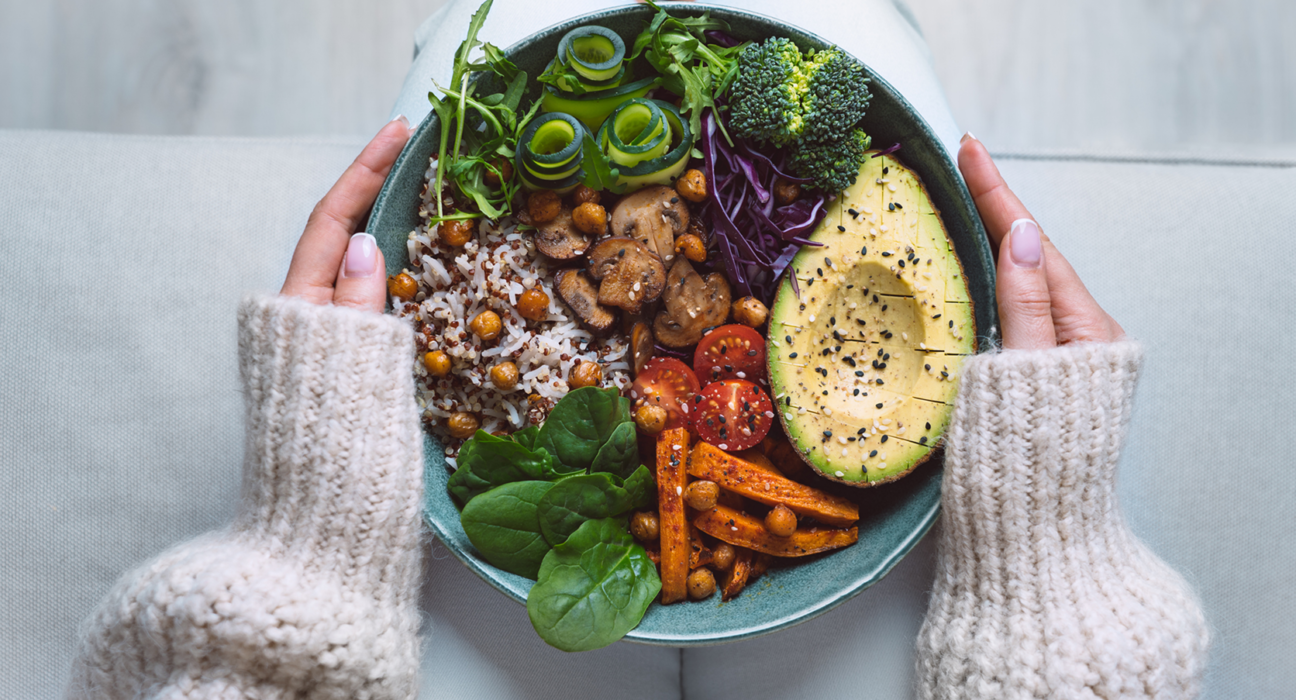
Protein + vegetables or fruit + carbohydrate source + healthy fat
The exact proportions can vary depending on your individual needs and goals.
11. Don’t Skip Meals Automatically
Some people find that skipping meals makes it harder to control hunger later.
Others prefer fewer meals and feel comfortable with that pattern.
There is no universal meal schedule.
What matters is finding a pattern that supports your energy, nutrition, lifestyle, and goals.
12. Plan Your Meals
Meal planning can make healthy eating much easier.
Before the week begins, think about:
- Breakfast options
- Lunches
- Dinners
- Snacks
- Grocery requirements
You do not need to plan every meal perfectly.
Even having a few reliable meal options can reduce the temptation to order food whenever you are unsure what to eat.
13. Keep Healthy Foods Available
Your environment can influence your food choices.
If nutritious foods are easily available, they become easier to choose.
Keep convenient options such as:
- Fruit
- Yogurt
- Nuts
- Eggs
- Vegetables
- Whole-grain foods
available at home.
Convenience matters when you are hungry or busy.
14. Learn to Read Food Labels
Food labels can help you understand what you are buying.
Depending on the product and country, labels may provide information about:
- Calories
- Protein
- Carbohydrates
- Fat
- Sugar
- Fiber
- Sodium
- Serving size
Pay attention to the serving size.
A package may contain multiple servings even if it looks like a single portion.
15. Don’t Automatically Trust Health Claims
Food packaging often uses terms such as:
- Natural
- Light
- Low-fat
- High-protein
- Organic
- No added sugar
- Multigrain
These terms do not automatically mean that a product is the healthiest option.
Look at the overall nutrition information and ingredients rather than relying only on marketing language.
16. Cook More Meals at Home
Cooking at home gives you greater control over:
- Ingredients
- Portion sizes
- Cooking methods
- Salt
- Added sugar
- Oils
- Overall meal composition
You do not need to cook elaborate meals.
Simple combinations can work well.
For example:
Rice + vegetables + grilled chicken
or
Lentils + vegetables + whole-grain bread
or
Eggs + vegetables + whole-grain toast
Simple food can still be nutritious.
17. Choose Healthier Cooking Methods
Cooking methods can affect the nutritional profile of a meal.
Common options include:
- Steaming
- Grilling
- Baking
- Roasting
- Stir-frying
- Boiling
Deep-frying can significantly increase the energy content of foods because of the added cooking fat.
That does not mean fried food must never be eaten, but it may be better treated as an occasional choice rather than the foundation of your diet.
18. Be Careful With Liquid Calories
Drinks can contribute a surprising amount of sugar and calories.
Examples include:
- Soft drinks
- Sweetened coffee
- Milkshakes
- Energy drinks
- Sweetened juices
If you regularly consume sugary drinks, replacing some of them with water or unsweetened beverages can be a simple way to improve your overall diet.
19. Don’t Completely Ban Your Favorite Foods
Strict food rules can be difficult to maintain.
If you enjoy pizza, chocolate, burgers, desserts, or other foods, you do not necessarily need to remove them completely.
Instead, consider:
- Smaller portions
- Less frequent consumption
- Pairing treats with nutritious meals
- Making healthier versions at home
A sustainable eating pattern should allow some flexibility.
20. Eat Slowly
Eating quickly can make it harder to notice when you are becoming full.
Try slowing down during meals.
Pay attention to:
- Taste
- Texture
- Hunger
- Fullness
Eating more mindfully can make meals more satisfying and may help prevent unnecessary overeating.
21. Limit Highly Processed Foods
Not every processed food is unhealthy.
Processing can include simple methods such as freezing, drying, cooking, or pasteurization.
However, many highly processed foods contain combinations of refined ingredients, added sugars, salt, and fats and can be easy to overconsume.
Examples can include:
- Packaged sweets
- Sugary drinks
- Certain snack foods
- Highly processed meat products
Focus on the overall balance of your diet rather than trying to eliminate every processed food.
22. Don’t Forget Sodium
Sodium is an essential mineral, but excessive sodium intake can be a concern for some people.
Large amounts can be found in foods such as:
- Processed meats
- Packaged snacks
- Instant foods
- Certain sauces
- Some restaurant meals
If you are concerned about sodium intake, check food labels and choose less processed options more often.
People with certain health conditions may have specific sodium recommendations from their healthcare professionals.
23. Make Breakfast Work for You
Breakfast does not have to follow a particular formula.
A balanced breakfast might include:
- Eggs and whole-grain toast
- Oatmeal with fruit and nuts
- Yogurt with fruit
- Vegetable-based options
- A balanced smoothie
If you prefer not to eat breakfast, that does not automatically make your diet unhealthy.
The overall pattern of your food intake matters more than following one specific meal schedule.
24. Make Healthy Eating Convenient
Healthy eating becomes easier when nutritious options require little effort.
Prepare foods in advance when possible.
For example:
- Wash and cut vegetables
- Cook grains in batches
- Prepare protein sources
- Keep fruit visible
- Portion snacks
- Prepare simple lunches
The goal is not to spend your entire weekend meal-prepping.
Even a small amount of preparation can make weekday meals easier.
25. Don’t Chase Every New Diet Trend
New diets become popular regularly.
Some may emphasize:
- Very low carbohydrates
- Very high protein
- Fasting
- Juice-based diets
- Eliminating specific food groups
- Very low calorie intake
Some approaches may be appropriate for certain people under professional guidance, but a diet becoming popular online does not automatically make it suitable for everyone.
Be cautious about diets that promise dramatic results with little effort.
26. Healthy Eating on a Budget
Eating healthy does not necessarily require expensive specialty foods.
Affordable options can include:
- Beans
- Lentils
- Eggs
- Oats
- Rice
- Seasonal vegetables
- Bananas
- Potatoes
- Whole grains
- Frozen vegetables
Buying seasonal produce and preparing meals at home can also help control costs.
You do not need expensive supplements or premium products to build a balanced diet.
27. What a Balanced Day Could Look Like
A simple day might look something like:
Breakfast
Oatmeal with fruit and nuts.
Lunch
Rice or another whole-grain option with vegetables and a protein source.
Snack
Fruit, yogurt, or a small serving of nuts.
Dinner
Vegetables with a protein source and a suitable carbohydrate.
Drinks
Mostly water and other unsweetened beverages.
This is only an example.
Your meals should reflect your culture, preferences, nutritional needs, budget, and lifestyle.
Common Healthy Eating Mistakes
Trying to Change Everything Overnight
Large changes can be difficult to maintain.
Completely Eliminating Foods
Extreme restrictions can make eating unnecessarily difficult.
Focusing Only on Calories
Food quality and overall nutrition also matter.
Ignoring Portion Sizes
Even nutritious foods can be overconsumed.
Depending on Supplements
Supplements cannot replace a balanced diet.
Following Social Media Advice Blindly
Popular nutrition advice is not automatically accurate or appropriate for you.
A Simple Healthy Eating Formula
If you are unsure what to put on your plate, start with:
Protein + Vegetables/Fruit + Whole or Minimally Processed Carbohydrate + Healthy Fat
Then adjust the portions according to your individual needs.
This simple framework can be adapted to many different cuisines and eating styles.
Final Thoughts
Healthy eating does not require perfection.
The goal is to create an eating pattern that provides a wide variety of nutrients while fitting your lifestyle and preferences.
Eat more vegetables and fruits, include adequate protein, choose nutritious carbohydrate and fat sources, drink enough water, pay attention to portions, and limit highly processed foods and excessive added sugar.
Most importantly, focus on habits you can maintain.
A healthy diet is not about eating perfectly for a few days. It is about making better choices consistently over time.
Disclaimer: This article provides general nutrition information and is not a substitute for personalized medical or dietary advice. Individual nutritional needs vary. If you have a medical condition, food allergy, eating disorder, or specific dietary requirement, consult a qualified healthcare or nutrition professional.