Best Time to Visit Japan: A Complete Seasonal Guide
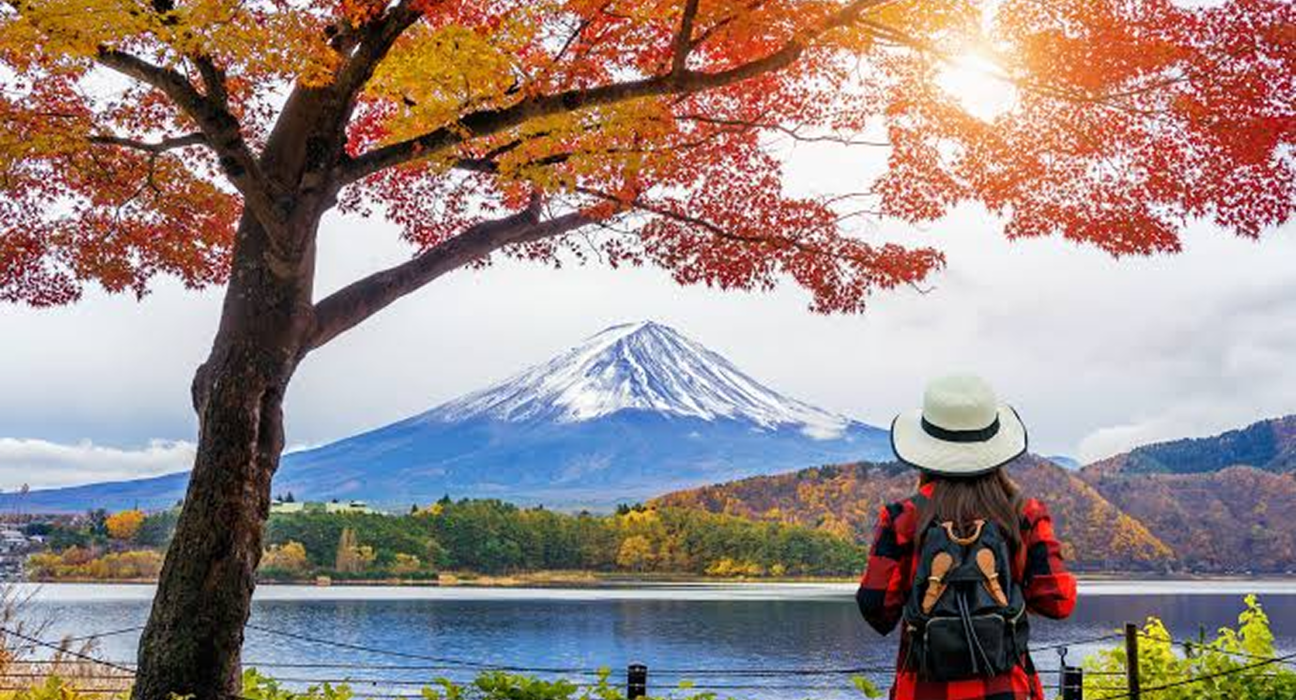
Japan is a destination that can be visited throughout the year, but each season offers a very different experience.
Spring brings cherry blossoms and comfortable sightseeing conditions. Summer offers festivals, green landscapes and opportunities to explore the mountains. Autumn is known for colorful foliage, while winter brings snow, winter sports and seasonal experiences.
The best time to visit Japan ultimately depends on what you want to see and do.
Whether you are planning your first trip to Tokyo, hoping to see cherry blossoms, exploring Kyoto’s temples or looking for a winter adventure, understanding Japan’s seasons can help you plan a better trip.
Spring in Japan
Spring is one of the most popular times to visit Japan.
The season is particularly famous for cherry blossoms, which attract visitors from around the world.
Cherry blossom timing varies depending on the location and weather conditions, so travelers should check updated forecasts when planning their trip.
What Makes Spring Special?
Spring offers:
- Cherry blossoms
- Comfortable sightseeing temperatures
- Parks and gardens in bloom
- Seasonal food
- Cultural festivals
- Excellent conditions for exploring cities
Tokyo, Kyoto, Osaka and many other destinations can become particularly busy during the cherry blossom season.
Accommodation and transportation can also be more expensive around popular blossom periods.
Best Destinations for Spring
Tokyo offers numerous parks and gardens where visitors can enjoy seasonal flowers.
Kyoto combines cherry blossoms with historic temples, traditional neighborhoods and gardens.
Osaka offers a mix of urban attractions, food and seasonal scenery.
Nara is another popular choice because of its parks, temples and natural surroundings.
Summer in Japan
Summer in Japan is generally warm and humid in many areas.
Despite the heat, summer can be an exciting time to visit because the season includes festivals, fireworks and outdoor activities.
Mountainous regions can provide cooler conditions than major cities.
What Makes Summer Special?
Summer offers:
- Traditional festivals
- Fireworks displays
- Mountain activities
- Green landscapes
- Beach destinations
- Seasonal food
Japan’s summer festivals can provide travelers with an opportunity to experience traditional culture and local celebrations.
Things to Consider
Humidity and high temperatures can make sightseeing more tiring, particularly in large cities.
Travelers visiting during summer should plan breaks, stay hydrated and consider scheduling outdoor activities during cooler parts of the day.
Autumn in Japan
Autumn is another excellent season for traveling around Japan.
The country’s forests and mountains can develop vibrant shades of red, orange and yellow as temperatures become cooler.
Autumn is particularly attractive for travelers who enjoy nature, photography and scenic walks.
What Makes Autumn Special?
Autumn offers:
- Colorful foliage
- Comfortable temperatures
- Scenic mountain landscapes
- Seasonal cuisine
- Cultural attractions
- Excellent photography opportunities
Kyoto is particularly famous for its autumn scenery, with temples and gardens surrounded by colorful foliage.
Tokyo also has numerous parks and gardens where visitors can enjoy the changing colors.
Winter in Japan
Winter offers a completely different side of Japan.
Northern regions and mountain areas receive significant snowfall, making the country a popular destination for skiing and other winter activities.
Cities such as Tokyo and Kyoto can be cold but offer fewer crowds at some attractions compared with peak travel periods.
What Makes Winter Special?
Winter offers:
- Skiing and snowboarding
- Snow-covered landscapes
- Winter festivals
- Hot springs
- Seasonal food
- Christmas and New Year celebrations
Hokkaido is particularly well known for winter scenery and snow-related activities.
The Japanese Alps also offer opportunities for winter sports and mountain experiences.
Best Time to Visit Japan for Cherry Blossoms
If seeing cherry blossoms is your main reason for visiting Japan, spring is the obvious choice.
However, there is no single date when cherry blossoms bloom throughout the entire country.
The season generally moves from warmer southern areas toward colder northern regions, and actual timing can change from year to year.
This means travelers should check official or reliable local blossom forecasts closer to their trip.
Because cherry blossom season is extremely popular, hotels and transportation can become busy.
Booking well in advance is often advisable.
Best Time to Visit Japan for Autumn Leaves
If colorful autumn foliage is your priority, autumn is the best season.
The timing varies by location and elevation.
Mountain areas can experience autumn colors earlier, while some warmer southern areas may see them later.
Kyoto, Nikko, Hakone and parts of the Japanese Alps are popular destinations for autumn scenery.
Best Time to Visit Japan for Skiing
Winter is the main season for skiing and snowboarding.
Hokkaido is particularly well known for its powder snow, while destinations in Nagano and Niigata also attract winter sports enthusiasts.
The exact conditions vary depending on the location and season, so travelers should check current snow conditions before booking.
Best Time to Visit Tokyo
Tokyo can be visited throughout the year.
Spring and autumn are often attractive for sightseeing because temperatures can be more comfortable.
Summer can be hot and humid but offers festivals and longer daylight hours.
Winter can be colder but may provide clearer skies and a different atmosphere.
Tokyo also has enough indoor attractions that weather does not necessarily have to determine an entire itinerary.
Best Time to Visit Kyoto
Kyoto is especially popular during spring and autumn.
Spring brings cherry blossoms, while autumn brings colorful foliage.
These seasons can also bring large crowds to the city’s famous temples and gardens.
Summer can be hot, while winter is colder but may offer quieter sightseeing conditions.
If you want to experience Kyoto with fewer visitors, considering travel outside the most popular seasonal periods can be worthwhile.
Best Time to Visit Hokkaido
Hokkaido is an excellent destination for travelers who enjoy winter sports and snowy landscapes.
Winter attracts skiers and snowboarders, while summer offers pleasant opportunities to explore the region’s natural scenery.
Hokkaido’s lavender fields are also a major seasonal attraction during summer.
Because the climate differs significantly from much of the rest of Japan, Hokkaido can offer a very different travel experience depending on the time of year.
Japan’s Rainy Season
Japan has a rainy season known as tsuyu, which affects many parts of the country.
The timing varies by region, but it generally occurs before the hotter summer period.
Rainy-season conditions do not necessarily mean that it rains continuously throughout the day.
Travelers visiting during this period should simply be prepared for changing weather and occasional heavy rainfall.
The advantage is that some destinations may be less crowded compared with peak travel periods.
Japan During Golden Week
Golden Week is a major holiday period in Japan that takes place around the end of April and beginning of May.
It is one of the busiest domestic travel periods of the year.
Transportation, hotels and popular attractions can become extremely busy during this period.
If you are planning a trip around Golden Week, booking accommodation and transportation well ahead of time is particularly important.
Travelers looking for a quieter experience may prefer dates outside this holiday period.
Japan During New Year
New Year is an important holiday period in Japan.
Many people travel domestically, while some businesses and attractions may operate on reduced schedules around the holiday.
At the same time, visitors can experience traditional New Year customs and celebrations.
If you plan to visit Japan during this period, check the opening hours of attractions and restaurants in advance.
Is Japan Expensive to Visit?
Japan can accommodate different travel budgets.
Your overall cost will depend on:
- Accommodation
- Transportation
- Food
- Activities
- Shopping
- Length of stay
- Destination
Tokyo and other major tourist destinations can be expensive, while travelers can reduce costs by choosing budget accommodation, local restaurants and efficient transportation options.
Peak travel seasons can also increase accommodation prices.
How Long Should You Spend in Japan?
The ideal length of a Japan trip depends on how much of the country you want to explore.
A short trip could focus on one or two major cities.
A longer trip could combine destinations such as:
Tokyo → Kyoto → Osaka → Hiroshima
or include additional regions such as Hokkaido, the Japanese Alps or Okinawa.
Trying to visit too many places during a short trip can make the journey tiring, so it is often better to spend more time in fewer destinations.
So, What Is the Best Time to Visit Japan?
For many first-time travelers, spring and autumn are particularly attractive because of the combination of comfortable sightseeing conditions and seasonal scenery.
Choose spring if cherry blossoms are your priority.
Choose summer if you want festivals, greenery and outdoor activities.
Choose autumn if you want colorful foliage and comfortable sightseeing weather.
Choose winter if you want skiing, snow and hot spring experiences.
There is no single perfect month for everyone.
Final Thoughts
Japan is a year-round destination with something different to offer in every season.
Spring brings cherry blossoms, summer brings festivals and greenery, autumn creates colorful landscapes and winter transforms northern and mountainous areas into snow-covered destinations.
The best time to visit depends on your interests, budget, preferred weather and the places you want to explore.
Planning around Japan’s seasonal conditions can make a significant difference to your experience, particularly if you are traveling for cherry blossoms, autumn foliage or winter sports.
Before booking your trip, check the latest local weather, seasonal forecasts, holiday periods and attraction schedules for the destinations you plan to visit.